Skip to content
If you hear crickets chirping in the walls at night, you’re not alone. Many homeowners in Columbia, MO deal with this issue, especially in late summer and fall.
The sound of crickets can seem small at first. But when the chirping noise keeps you awake, it quickly becomes a serious pest problem. That steady chirping sound often means crickets have moved inside your home.
Let’s break down what it means, how to confirm it’s really crickets, and what steps you can take next.
Key Takeaways
Cricket season in Columbia
This log shows when crickets are most active around Columbia and St. Louis through the year. Activity builds over summer and runs heaviest in late summer and early fall, when chirping picks up and crickets move indoors. A darker bar means heavier activity.
- Crickets chirping in the walls usually means male crickets are inside.
- Damp basements, crawl spaces, and garages create ideal hiding spots.
- Small cracks and worn weatherstripping allow easy entry.
- Sticky traps can confirm activity but rarely solve a full cricket infestation.
- Professional pest control can identify the source and prevent future cricket problems.
Crickets Chirping in the Walls: What It Means
When you hear chirping inside walls, it usually points to a growing cricket problem. Here are the most common reasons.
Male Crickets Are Calling
Male crickets chirp to attract females. This behavior is called stridulation. They rub their wings together to make the chirping sound.
When crickets chirp indoors, it often means male crickets have found a quiet, protected space. Wall voids, basements, and garages provide shelter and safety.
If the chirping continues night after night, you June be dealing with more than one cricket.
They’ve Found a Way Inside
Crickets usually enter through small gaps and entry points. Cracked foundations, loose weatherstripping, missing door sweeps, and gaps around pipes make it easy for them to get in.
Outdoor lights also attract insects. When crickets gather near your home at night, they often find their way inside through these openings.
Once indoors, they hide in crawl spaces, basements, and wall cavities.
Conditions Support a Cricket Infestation
Crickets need moisture and shelter. Damp basements, cluttered garages, and crawl spaces with high humidity create ideal hiding spots.
If there are food sources like cardboard, fabric, or other insects, cricket populations can grow quickly. In some cases, a cricket infestation June also attract centipedes, since centipedes feed on crickets.
When conditions stay favorable, the chirping can continue year-round inside heated homes.
Clues It’s Crickets in the Walls
Not every chirping noise means crickets. Here are signs that confirm the source.
The Sound Happens at Night
Crickets chirp mostly at night. If the chirping sound gets louder after dark and quiets during the day, it’s likely house crickets.
The sound of crickets is steady and rhythmic. It is different from the scratching noise of rodents.
You See Droppings
Crickets leave small black droppings that look like pepper. These June collect along baseboards, in basements, or near hiding spots.
Droppings near cracks or entry points suggest a cricket infestation is active inside the wall.
You Spot a Cricket
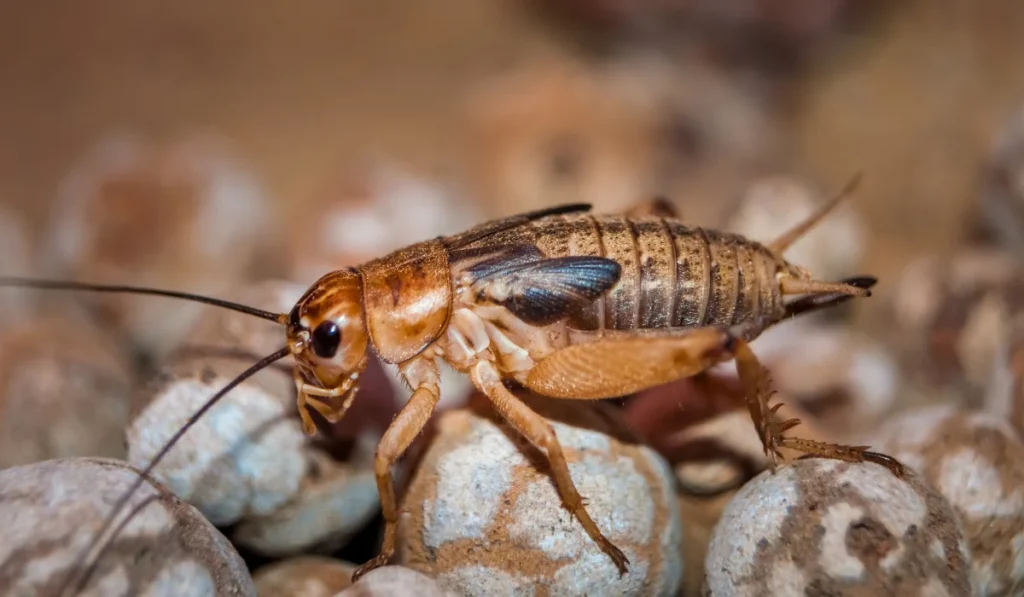
Seeing even one cricket indoors can mean more are hiding nearby. House crickets are light brown and have long antennae.
If you spot them in garages, basements, or utility rooms, there is likely a larger cricket problem.
Sticky Traps Catch Them
Sticky traps placed along walls can confirm activity. If traps start catching multiple crickets, the chirping noise is likely coming from inside the structure.
While sticky traps and cricket traps can help monitor activity, they rarely solve a full cricket infestation on their own.
What to Do Next to Stop the Chirping
If you want to get rid of crickets, focus on both removal and prevention.
Seal Entry Points
Inspect the exterior of your home. Look for cracks and gaps around the foundation.
Use caulk to seal small openings. Replace worn weatherstripping and install tight-fitting door sweeps. Reducing entry points is one of the most effective ways to prevent future cricket problems.
Reduce Moisture
Crickets prefer damp areas. Use a dehumidifier in basements and crawl spaces.
Fix plumbing leaks and improve airflow. Lowering humidity makes your home less inviting to cricket populations.
Limit Outdoor Attraction
Outdoor lights draw insects, which then draw crickets. Consider switching to yellow-toned bulbs that attract fewer insects.
Keep grass trimmed and remove clutter near the home. Clear away debris from garages and foundation walls.
Try DIY Monitoring
DIY steps, like sticky traps, can help track activity. Place cricket traps along baseboards and near suspected hiding spots.
These tools June reduce small numbers, but they often do not solve a larger cricket infestation inside walls.
Consider Professional Pest Control
When the chirping continues, it’s time for professional pest control. A thorough inspection can locate entry points and nesting areas.
Holper’s Pest & Animal Solutions provides recurring general pest control services in Columbia. Our service covers crickets along with other crawling insects. By reducing insect populations and sealing access points, we help homeowners move toward a pest-free environment.
If crickets are entering due to structural gaps or moisture issues, addressing those root causes is key. In some cases, we June also inspect for other concerns, such as a termite issue, that can signal broader moisture problems.
Schedule a Cricket Inspection and Exclusion Plan
If you hear crickets chirping in the walls, don’t ignore it. A cricket infestation can grow quickly when conditions are right.
Our technicians perform a thorough inspection, identify entry points, and create an exclusion plan to help get rid of crickets.
Contact us today for a free quote and take the next step toward a pest-free home.
FAQs
Why do crickets chirp inside walls?
Crickets chirp to attract mates. When they find shelter inside walls, the chirping noise can echo and seem louder.
Are crickets harmful to my home?
Crickets do not cause major structural damage, but large cricket populations can damage fabric and create ongoing noise problems.
How long does a cricket infestation last?
If entry points and moisture are not addressed, a cricket infestation can continue for months or even year-round in heated homes.
How do I schedule pest control services?
Call our phone number or request a free quote online. A technician will inspect your home and recommend the next steps to get rid of crickets.