Skip to content
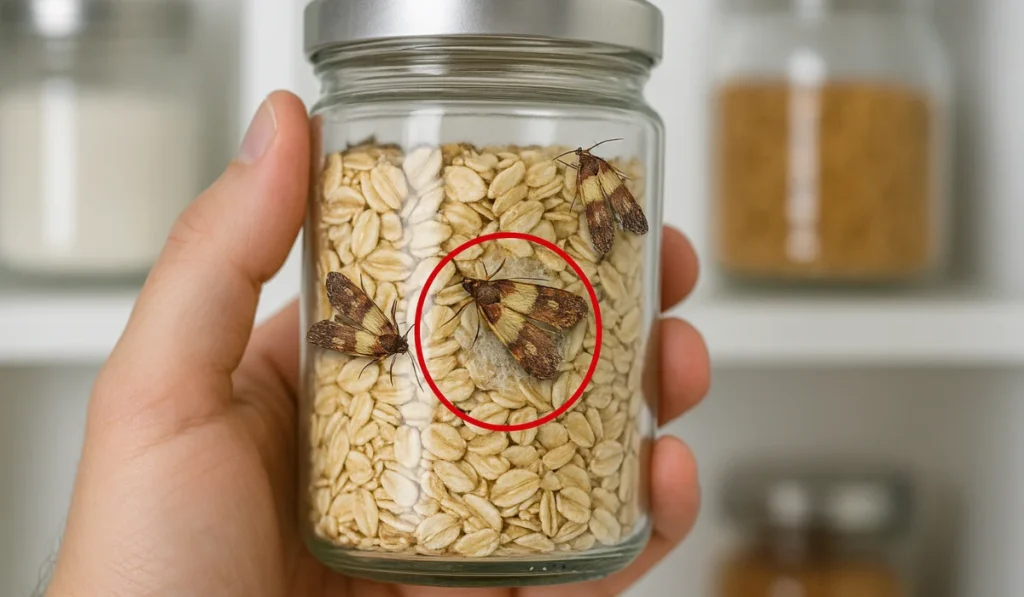
Have you opened your pantry and seen small moths flying near the ceiling? Many homes in Columbia search for pest control in Columbia when pantry moths appear. Pantry moths are common in homes, apartments, and restaurants across Boone County.
A pantry moth infestation often starts with one box of food. It may come home from the grocery store with moth eggs already inside. Once the eggs hatch, larvae spread into other food items. Soon, you may see adult moths flying in your kitchen.
Pantry moths can spread quickly, but you can stop them with the right steps.
Key Takeaways
- Pantry moths often enter homes through food packages from the grocery store.
- Larvae, webbing, and clumps in dry goods are signs of an infestation.
- Airtight containers help protect stored food.
- Pantry moth traps help monitor activity, but do not eliminate infestations.
- Professional pantry pest services can help address recurring pantry moth problems.
How to Spot Pantry Moths Fast
Catching pantry moths early can prevent a larger pantry moth infestation. Most people first notice adult moths flying around their kitchen.
Adult Moths Flying Near Cabinets
The most common species is the Indian meal moth. Many people mistake them for clothes moths. Adult moths are small with light and dark wings.
If you see adult moths near cabinets or lights, larvae are likely feeding on stored food. Female moths lay eggs directly on food sources, allowing the infestation to spread quickly.
Larvae in Food Packages
Pantry moth larvae are small and cream-colored with brown heads. You may find them inside food packages or crawling on shelves.
They feed on dry goods such as flour, grain products, cake mixes, dried fruit, and dried beans. Pet food and dog food are also common food sources. If you see pantry moth larvae, they have already infested some of your food.
Webbing and Clumps in Dry Goods
Larvae spin silk while feeding. The silk forms webbing and causes clumps in flour and other dry foods.
These clumps may look like moisture damage. In many cases, flour moths or other pantry moth larvae create them inside the package.
Cocoons Along Baseboards
When larvae are ready to pupate, they leave the food. You may find cocoons attached to baseboards, ceilings, or inside small crevices.
Pupae hidden in cracks allow the pantry moth life cycle to continue even after you throw away infested food.
Where Pantry Moths Hide and Spread From
Pantry moth infestations usually start with stored food.
Food From the Grocery Store
Many infestations begin with contaminated food from the grocery store. Moth eggs are tiny and hard to see.
Once in your pantry, female moths lay eggs on nearby food items. Their eggs quickly spread the infestation to other food.
Dry Goods in Plastic Bags
Pantry moths can chew through thin plastic bags and cardboard. Flour, cake mixes, grain products, and dried fruit stored in original packaging are easy targets.
Plastic containers without tight seals can allow pantry moths to get inside.
Birdseed and Pet Food
Birdseed is a common source of pantry moth problems in Columbia garages. Large bags provide steady food for larvae.
Pet food stored in plastic bags can also become infested. Keeping these items sealed is important.
Hidden Crevices and Wall Voids
After feeding, larvae move into crevices and along baseboards to pupate. In apartment buildings and commercial kitchens, pantry moth infestations can spread between units if people do not clean hidden areas.
How to Stop Pantry Moths From Spreading
To get rid of pantry moths, you must address all stages of the infestation.
Throw Away Infested Food
Inspect every food package in your pantry. If you see larvae, webbing, or clumps, throw them away.
Place infested items in a sealed bag and take them to the outdoor trash can. Do not leave them in your kitchen trash.
Clean and Wipe Down Shelves
Vacuum shelves, corners, and crevices. After vacuuming, wipe down all surfaces with hot water.
Clean baseboards and small cracks to remove moth eggs and food residue.
Use Airtight Containers
Store dry foods, pet food, and birdseed in airtight containers. Thick plastic containers with tight lids work best.
Switch dry foods from plastic bags to sealed storage containers to prevent infestations.
Understand the Limits of Traps and Bay Leaves
Pantry moth traps and pheromone traps attract male moths. Sticky traps help monitor activity, but they do not stop female moths from laying eggs.
Some people place bay leaves in cabinets. Bay leaves may discourage moths, but they will not fix an active pantry moth infestation.
When It’s Time for Professional Help
Sometimes cleaning does not solve the problem.
Pantry Moths Keep Coming Back
If you continue to see adult moths after cleaning and removing infested food, hidden pupae may remain.
A pest control professional can find hidden food sources and cocoons.
Large Infestations in Homes or Businesses
If several cabinets are affected, the infestation may be widespread. Widespread pantry moth infestations often occur in restaurants or rental properties in Columbia.
A pantry pest service can find hidden sources and treat the infestation.
Ongoing Moth Activity Weeks Later
If adult moths appear weeks after cleanup, the pantry moth life cycle is still active.
We offer pantry pest services that include a full inspection, placement of pheromone traps, targeted treatment, and one follow-up visit. The service focuses on identifying the source of the infestation and addressing it.
Schedule a Pantry Moth Inspection
If pantry moths are spreading in your Columbia kitchen, don’t wait. The longer pantry moths stay, the more stored food they contaminate and the harder the infestation becomes to remove.
At Holper’s Pest & Animal Solutions, we offer pantry pest inspections that include a full inspection, placement of pheromone traps, targeted treatment, and a follow-up visit.
Contact us today to schedule a pantry moth inspection and address the infestation before it spreads further.
FAQs
How do pantry moths get into my home?
Pantry moths usually enter through contaminated food from the grocery store. Eggs or larvae may already be inside sealed food packages when you buy them.
Are pantry moths the same as clothes moths?
No. Pantry moths feed on stored food. Clothes moths feed on fabrics like wool.
Do pantry moth traps get rid of the infestation?
No. Pantry moth traps attract male moths. They help monitor activity but do not eliminate larvae or female moths. You may need professional pest control to eliminate the infestation fully.