
Killing mosquito larvae in water can cause costly problems when early signs are missed. Learn the signs, risks, and when to call Holper’s Pest & Animal solutions.
Key Takeaways
- Mosquitoes lay eggs on or near the surface of standing water, so inspecting your yard for containers, pots, and other water-holding objects is the first step toward reducing larvae on your property.
- Removing or regularly changing standing water around your home can help control mosquito larvae before they mature into biting adults.
- DIY prevention has limits. A recurring professional mosquito control program that targets the areas where mosquitoes harbor can help decrease their numbers over time with regular treatments.
- Holper’s Pest & Animal approaches customizes mosquito reduction services around the specific areas of your yard you use most, and trained technicians identify conditions on your property that June contribute to mosquito breeding.
How to Identify Mosquito Larvae in Water
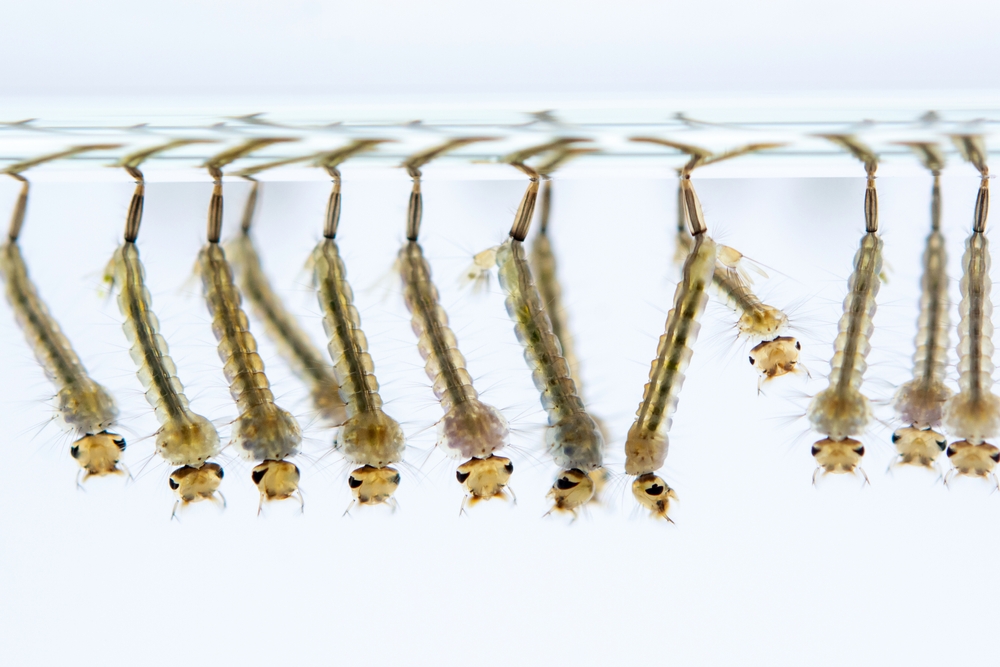
Before you can address mosquito larvae in water, you need to know what you are looking for. Mosquito larvae are small, worm-like creatures known as “wrigglers” because of the way they move through water. According to Purdue Extension, larvae mature in 7 to 10 days before changing into pupae, often called “tumblers.” Because this development window is short, catching larvae early matters.
How to Tell Mosquito Larvae Types Apart in Water
Mosquito larvae spend their time just below the water’s surface, hanging at an angle to breathe. They are distinct from other water-dwelling insect larvae. Mosquitoes are among several water-inhabiting insects whose larvae develop in standing water. Distinguishing them from other aquatic larvae starts with watching for that characteristic wriggling motion and their tendency to stay near the surface rather than along the bottom.
Pupae, the next stage, look different. They are comma-shaped and tumble through the water when disturbed. Two or three days after the pupal stage begins, adult mosquitoes leave the water.
How to Spot Mosquito Larvae Activity Inside Your Home
Indoors, any container holding still water for more than a few days can become a breeding site. After a blood meal, each female mosquito June lay up to 400 eggs on the water’s surface or in spots where water is likely to collect. Eggs can hatch in less than three days, so even a small dish of stagnant water left unchecked June host larvae quickly.
Check saucers beneath houseplants, vases with standing water, and any forgotten containers that have collected moisture. If you spot tiny wrigglers near the surface, you have confirmed larval activity.
Where Mosquito Larvae Show Up Around Homes
Outdoors, flower pots and plant containers are common spots. According to Purdue Extension, you should make weekly inspections of the water in flower pots and plant containers. If mosquito larvae are seen, change the water. Loosening the soil in flower pots regularly helps water penetrate through instead of forming a stagnant pool on the surface where mosquitoes can breed.
Any place where water sits undisturbed for several days deserves a look. Because eggs June hatch so rapidly, routine checks are one of the simplest steps you can take.
Exterior Entry Points Mosquito Larvae Use Around Homes
Mosquitoes that develop in water sources near your home can move indoors once they reach adulthood. Female mosquitoes lay eggs on the surface of water or in areas where water is likely to accumulate, so breeding sites close to doors and windows increase the chance adults will find their way inside.
Walk your property weekly and look for overlooked water sources near entry points. Addressing standing water in these areas reduces the habitat available for larvae to develop through their full cycle into adults.
Why Mosquito Larvae Problems Develop in Water
Mosquito larvae depend entirely on water to grow. Understanding why standing water on your property turns into a breeding ground is the first step toward reducing mosquito pressure around your home.
Outdoor Nesting Areas for Mosquito Larvae Around Homes
Female mosquitoes deposit eggs on the surface of standing water or on vegetation and other structures near water. Depending on the species, a single female can lay 100 to 300 eggs in her lifetime. Once those eggs contact water, larvae emerge, and hatching time depends on water temperature, food availability, and species type.
Mosquito larvae can grow in ponds, bird baths, and any other objects that hold non-moving water. While permanent bodies of water like ponds and streams often contain predators that help control larvae, the most problematic breeding sites tend to be marshes, swamps, clogged ditches, and temporary pools, according to EPA.
Food and Shelter That Attract Mosquito Larvae Around Homes
Larvae inhabit water and feed as they develop through their growth stages. Food availability in the water controls how fast they mature. Warmer water temperatures can also speed up the process. After feeding, larvae develop into pupae, which remain aquatic but stop feeding.
Different species prefer various standing water sources for egg-laying, so the range of potential breeding spots around a property can be wide. Even small, overlooked containers June support larvae if water sits undisturbed long enough.
How Mosquito Larvae Move Around Water Sources
Because mosquito larvae are aquatic, they do not travel between water sources on their own. The problem spreads when adult mosquitoes leave the water and seek new standing water to lay eggs. Each new water source on your property creates another potential breeding habitat.
Trails and Entry Points Mosquito Larvae Use in Water
Larvae can develop in nearly any standing water, so entry points are any spot where water collects and remains still. Larvicides are treatments applied to these breeding habitats to target larvae before they mature into adults, and they come in formulations such as liquids, tablets, pellets, granules, and briquets. Matching the control method to the specific habitat matters, because each water source June call for a different approach.
Risks From Mosquito Larvae in Water
Understanding why standing water matters is the first step toward knowing how to kill mosquito larvae before they become biting adults. Even a small amount of water on your property can support a full generation of mosquitoes, and the risks go beyond simple annoyance. Below are the main concerns homeowners should keep in mind.
Health Risks Linked to Mosquito Larvae in Water
Mosquitoes are delicate insects that bite both humans and animals. According to the University of Tennessee Extension, larvae and pupae develop in water, which means every overlooked puddle or container on your property is a potential source of biting adults. When disease-transmitting species are suspected, larvae June be submitted to specialists for species identification.
Because a generation of mosquitoes can develop quickly in a small amount of standing water, the window between an unnoticed water source and active biting pressure around your home can be short. Regular inspection of your yard helps you stay ahead of that cycle.
Property Damage From Mosquito Larvae in Water
Mosquitoes themselves do not cause structural damage to your home. However, the standing water that supports their larvae can point to drainage issues, clogged gutters, or neglected containers that June lead to other property concerns over time. Pots, buckets, and old tires that collect water are common breeding spots worth addressing.
A surface treatment approach only targets adults, not the larvae developing in water. As Kansas State University Extension notes, that kind of treatment only reaches adults as they exit or land on surfaces. Leaving larvae in water untouched means new adults will continue to develop and take flight.
Food Areas and Mosquito Larvae Activity in Homes
Outdoor dining areas, patios, and poolside seating are among the spaces Holper’s customers identify as areas of most concern. Mosquitoes that develop in nearby standing water are drawn to the people using those spaces. To help keep mosquitoes from entering your home, make sure screens and doors fit tightly and are free of holes.
Controlling larvae by removing their habitat is a practical first step. According to Kansas State University Extension, emptying pots, buckets, and old tires at least once a week reduces the standing water mosquitoes need to breed.
When to Look Closer at Mosquito Larvae Activity in Water
Any site that accumulates standing water should be inspected for possible mosquito breeding. According to Purdue Extension, sites identified as actively breeding mosquitoes should be noted for follow-up control efforts. If you notice larvae wriggling near the water surface in containers, birdbaths, or low spots in your yard, that water source is already supporting a new generation.
A trained technician can identify and communicate areas of your property that June be contributing to a mosquito problem. Addressing those conducive conditions early can reduce the number of mosquitoes developing around your home.
Professional Pest Control for How To Kill Mosquito Larvae in Water
Targeting mosquitoes at the larval stage is the foundation of any lasting management approach. According to Purdue Extension, the most long-term management programs concentrate on controlling mosquito larvae rather than adult mosquitoes. Understanding how to reduce what attracts mosquitoes, what to look for during an inspection, and what a professional treatment involves can help you stay ahead of breeding activity around your property.
How to Reduce Attractants in Water
Mosquitoes breed in water, so reducing sources of standing water on your property is a practical first step. Walk your yard and look for anything that collects and holds water. Dump, drain, or turn over items that are not in active use. Keeping water from sitting undisturbed removes the conditions mosquitoes need to reproduce.
Addressing these conducive conditions can often be accomplished without additional product applications. Working together with you, we focus on the outdoor areas where you spend the most time, such as patios, seating areas, play areas, or pool surroundings.
Why Mosquito Larvae Control in Water Starts With Inspection
Inspection is the starting point because breeding sites are not always obvious. Our technicians walk your property to find where water June be pooling or collecting unnoticed. Once those spots are identified, we discuss what you can address on your own and what June need professional attention.
Because the most productive management programs focus on larvae rather than adults, early identification of breeding areas matters. Catching these sites before adult populations build gives you a meaningful head start.
What to Expect During Professional Mosquito Larvae Treatment
During a Holper’s mosquito service, we customize treatment to the areas you are most concerned about. Our technicians use a Stihl backpack fogger to treat the foliage and harborage areas near your priority zones. Each visit takes approximately thirty minutes, though larger yards June require more time.
Remove or replace this attributed claim. The surrounding paragraph can instead rely on the CLIENT SIQ explanation that regular treatment intervals (every 25–35 days) are needed because the product’s efficacy diminishes over time, and consistent reapplication reduces mosquito numbers with each visit. This is why regular service intervals matter. Holper’s mosquito treatments are applied every 25 to 35 days, and regular applications can decrease the number of mosquitoes with each visit.
What to Expect From a Mosquito Larvae Control Plan
Holper’s seasonal mosquito service runs from April through September, with treatments scheduled every 25 to 30 days. Each visit combines targeted foliage treatment with a property review to identify new conducive conditions that June have developed since the last service.
If you have a seasonal package and are experiencing issues between scheduled visits, Holper’s will move your service up or retreat at no additional cost. There is no guarantee for mosquito protection, but this flexibility helps keep your plan responsive throughout the season.
Bottom Line on How To Kill Mosquito Larvae in Water
Addressing mosquito larvae in water comes down to two things: reducing the standing water they need to develop and treating water that cannot be removed. Regular inspections of your property help you catch breeding sites early, and removing or dumping collected water is the simplest step you can take. For water features or areas that hold water by design, larval treatments can help reduce mosquito numbers over time.
When mosquito pressure goes beyond what DIY steps can manage, Holper’s Pest & Animal approaches can customize a mosquito reduction program around the areas of your yard you use most. Contact Holper’s to discuss a plan that fits your property.
Frequently Asked Questions About How To Kill Mosquito Larvae in Water
Why Focus on Larvae Instead of Adult Mosquitoes?
Targeting larvae in their water habitat addresses mosquitoes before they can fly and bite. Long-term mosquito management programs tend to concentrate on larval control because it works closer to the source of the problem rather than chasing adults after they have already spread across your yard.
How Often Should I Check My Property for Standing Water?
A weekly walk around your yard is a good habit. Look for water collecting in containers, low spots, and anywhere rain or irrigation June pool. Larvae can develop quickly in even small amounts of standing water, so consistent inspections help you stay ahead.
Can Holper’s Treat My Yard Even If I Cannot Remove All Standing Water?
Yes. Holper’s technicians identify the areas where you spend the most time outdoors, such as a patio, play area, or pool deck, and customize treatments around those zones. They also point out conditions on your property that June be contributing to mosquito activity so you can address them without additional products.
How Often Does Professional Mosquito Treatment Need To Be Repeated?
Holper’s mosquito reduction treatments are applied every 25 to 35 days during the seasonal period. Regular applications help decrease mosquito numbers with each visit. If issues arise between scheduled treatments, Holper’s can move a service up or retreat at no extra cost for seasonal package customers.