Skip to content
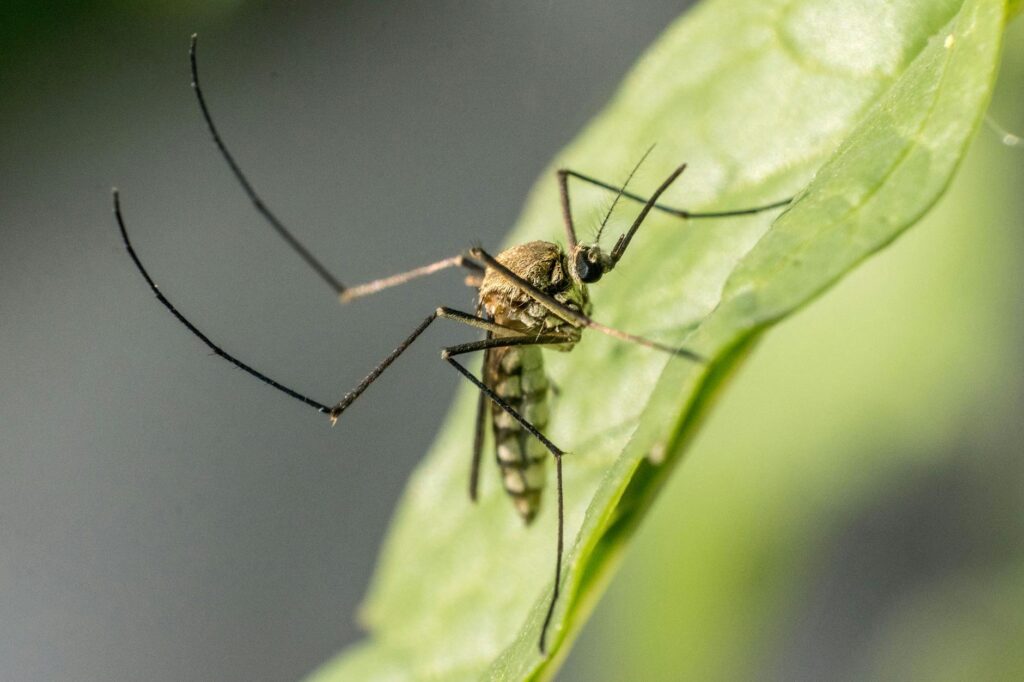
Mosquito Control Backyard Tips St Charles Mo can cause costly problems when early signs are missed. Learn the signs, risks, and when to call Holper’s Pest.
Key Takeaways About Mosquito Control Backyard Tips St Charles Mo
- Reducing standing water around your yard is one of the most important steps you can take to limit mosquito breeding on your property.
- DIY mosquito sprays and repellent devices can offer temporary relief, but results vary and may not provide lasting control on their own.
- Professional mosquito reduction services target the areas where mosquitoes harbor, such as foliage near patios, play areas, and seating spots, and treatments applied on a regular schedule can decrease mosquito numbers over time.
- Walking your property after rain to check for water collecting in containers, low spots, or yard clutter helps you stay ahead of the next wave of mosquito activity.
How to Identify Mosquito Control Backyard Tips St Charles Mo
Knowing where mosquitoes breed and gather is the first step toward reducing their numbers in your St. Charles, MO backyard. A focused inspection of your property can reveal problem spots that are easy to overlook during routine yard work.
How to Tell mosquito control backyard tips st charles Types Apart
Mosquito species can be difficult to distinguish without training. If you find larvae in standing water and suspect a species that may transmit disease, according to Purdue Extension, larvae can be submitted to specialists for species identification. This step helps determine which follow-up control efforts are most appropriate for your property.
How to Spot mosquito control backyard tips st charles Activity Inside Your Home
Mosquitoes occasionally follow you indoors through open doors, garage entries, or unscreened windows. You may notice them resting on walls or ceilings in rooms that stay cool and shaded during the day. Indoor activity often points to breeding sources close to your home’s exterior, so an outdoor inspection is worthwhile even when you first notice mosquitoes inside.
Where mosquito control backyard tips st charles Activity Shows Up Around Homes
Any site on your property that accumulates standing water should be inspected for possible mosquito breeding. Common culprits include birdbaths, clogged gutters, flower-pot saucers, and low spots in the yard that hold water after rain.
Holper’s technicians identify and communicate areas of your property that may be contributing to a mosquito problem. Addressing these conducive conditions can often be accomplished without additional product applications.
Exterior Entry Points mosquito control backyard tips st charles Use
Mosquitoes tend to harbor in foliage near the areas where you spend time outdoors, such as patios, seating areas, play areas, and pools. Dense shrubs, ornamental grasses, and shaded landscaping beds close to doors and windows give mosquitoes a resting spot just steps from your living space.
When working with a Holper’s technician, you identify the specific outdoor areas that concern you most. The technician then customizes treatment around those zones, targeting nearby foliage with a Stihl backpack fogger applied every 25 to 35 days during the active season. Regular treatments can decrease mosquito numbers with each application.
Why Mosquito Control Backyard Tips St Charles Mo Problems Develop
Understanding why mosquito pressure builds in your backyard is the first step toward managing it. Several conditions around St. Charles homes can create the breeding habitat and shelter mosquitoes need, and recognizing those factors helps you target the right areas.
Outdoor Nesting Areas for mosquito control backyard tips st charles
Mosquitoes breed in standing water, and it does not take much. According to Texas A&M AgriLife Extension, heavy rains saturate the ground and create standing water that serves as breeding habitat. Any low spot in your yard, clogged gutter, forgotten bucket, or saucer under a flower pot can hold enough water for mosquitoes to complete their life cycle.
Mosquitoes emerge in predictable waves based on their preferred breeding environments. After periods of rain, you should expect increased activity in the days and weeks that follow. Checking your yard for pooled water after storms is one of the most practical steps you can take.
Food and Shelter That Attract mosquito control backyard tips st charles
Adult mosquitoes rest in shaded, sheltered spots during the heat of the day. Dense foliage, shrubs, and ground cover near your patio, pool, or outdoor seating area give them a place to harbor between feedings. Trimming back vegetation and reducing shaded harborage near gathering areas removes the shelter mosquitoes rely on.
How mosquito control backyard tips st charles Move Around Homes
Mosquitoes are drawn toward the areas where people spend time outdoors. They follow cues from their environment and tend to concentrate around yards that offer both standing water for breeding and nearby foliage for resting. This is why activity often seems heaviest right next to gathering spaces rather than in the center of an open lawn.
Trails and Entry Points mosquito control backyard tips st charles Use
Mosquitoes move freely between neighboring properties, so your yard can experience pressure even after you address your own standing water. Working with a pest control professional can help reduce risks by targeting the harborage areas closest to where you gather outdoors.
If issues arise between scheduled visits, Holper’s seasonal package customers can have their service moved up or retreated at no additional cost.
Risks From Mosquito Control Backyard Tips St Charles Mo
Mosquitoes are more than a nuisance in your St. Charles, MO backyard. Understanding the risks they pose helps you see why bite prevention and ongoing mosquito reduction matter for your family and property.
Health Risks Linked to mosquito control backyard tips st charles
Mosquitoes can carry diseases, making them one of the blood-feeding pests that pose a direct risk to human and animal health. According to Texas A&M AgriLife Extension, homeowners should be vigilant about preventing mosquito bites to reduce the risk of contracting diseases. Staying aware of mosquito activity around your yard is an important step in protecting your family.
Property Damage From mosquito control backyard tips st charles
Mosquitoes do not cause structural or property damage the way some other pests do. However, heavy mosquito populations can make your outdoor spaces unusable during warm months. Communities may implement adult mosquito control programs when nuisance infestations reach levels that disrupt daily life.
The real concern with mosquitoes in your backyard is the ongoing discomfort and disease risk they bring. As the EPA notes, some pests can damage human and animal health, and treatment products provide relief but are not the only solution to pest problems.
Food Areas and mosquito control backyard tips st charles Activity
Outdoor dining areas, patios, and pool surroundings are common spots where your family gathers and where mosquitoes tend to be active. According to UC IPM, outdoor sprays and repellent devices vary widely in effectiveness and have no lasting effect. Relying on a single approach often leaves gaps in protection around food and gathering areas.
When to Look Closer at mosquito control backyard tips st charles Activity
If you notice mosquitoes consistently gathering near the areas your family uses most, it may be time to look beyond basic DIY steps. Holper’s technicians can identify conducive conditions on your property and recommend changes that reduce activity without relying solely on product applications.
Keep in mind that mosquito reduction typically requires regular treatment throughout the active season. A single application may offer only temporary relief. Consistent attention to both breeding conditions and adult mosquito activity gives your backyard the best chance of staying comfortable.
Professional Pest Control for Mosquito Control Backyard Tips St Charles Mo
Reducing mosquitoes around your St. Charles yard takes a combination of practical prevention, routine inspection, and professional pest control services when do-it-yourself steps fall short. Below is a breakdown of what you can do on your own, where those efforts have limits, and what a professional treatment plan looks like.
How to Reduce Attractants for mosquito control backyard tips st charles
The most important step any homeowner can take is removing standing water from the property. Draining flower-pot saucers, clearing clogged gutters, and dumping forgotten containers cuts down on available breeding habitat.
You can also apply larval control products such as dunks to water features or low spots that cannot be drained easily. However, according to Texas A&M AgriLife Extension, commercial adult mosquito sprays typically last only about 24 hours, which limits their usefulness for ongoing management.
Avoiding areas of your yard where mosquito populations concentrate, especially during peak activity at dawn and dusk, can also help reduce bites while you work on longer-term control measures.
Why mosquito control backyard tips st charles Control Starts With Inspection
Regular property inspections are a critical part of mosquito control. Walk your yard after each rain event to look for new pockets of standing water. Inspect low-lying spots in the lawn, drainage areas, and anything that can hold water, then dump or drain what you find.
This habit matters because mosquito breeding conditions can change quickly after storms. A consistent inspection routine helps you catch new water sources before they become a problem. Holper’s technicians also flag conducive conditions during their visits so you know where to focus between treatments.
What to Expect During Professional mosquito control backyard tips st charles Treatment
Holper’s starts by working with you to identify the areas of your yard where mosquitoes are most concerning, whether that is a play area, seating area, pool, or patio. Treatment is then customized to address those specific zones.
Technicians treat the foliage and harborage areas near your priority zones using a Stihl backpack fogger. Each treatment takes roughly thirty minutes, though larger yards may require more time.
As the University of Minnesota Extension notes, a professional pest control service has the equipment and expertise to successfully treat your home and may be the best option for the worst infestations. The commercial-grade products Holper’s uses feature a polymer coating that resists washoff and controlled-release technology that extends protection between visits.
What to Expect From a mosquito control backyard tips st charles Control Plan
Holper’s seasonal mosquito service runs from April through September, with treatments scheduled every 25 to 30 days during that window. Beyond applying product, technicians identify conducive conditions and let you know which areas you can address on your own.
There is no guarantee for mosquito protection, but seasonal package customers who experience issues between visits can have their service moved up or repeated at no additional cost. This flexibility helps keep your plan responsive throughout the season.
Combining your own prevention habits with a structured professional pest control plan gives you the best approach to managing mosquitoes in your St. Charles backyard.
Bottom Line on Mosquito Control Backyard Tips St Charles Mo
Reducing mosquitoes around your St. Charles, MO backyard starts with removing standing water and keeping foliage trimmed near the areas where you spend the most time outdoors. DIY sprays can offer short-term relief, but over-the-counter products have limited staying power, so pairing your own prevention habits with professional treatment gives you the best chance at noticeable, ongoing reduction. Holper’s Pest & Animal approaches customizes mosquito reduction services to focus on the specific spots you care about most, with recurring treatments applied throughout mosquito season.
Contact Holper’s to discuss a seasonal mosquito plan tailored to your yard.
Frequently Asked Questions
How Often Should I Treat My Yard for Mosquitoes?
Professional barrier treatments work best on a recurring schedule. Holper’s applies treatments every 25 to 35 days throughout the April through September season. Between treatments, removing any standing water that collects after rain helps maintain results.
What Can I Do on My Own Between Professional Visits?
Walk your property after each rain and dump out anything holding water, including buckets, plant saucers, and toys. Keep gutters clear so water flows freely. Trim back dense foliage near gathering spaces, since mosquitoes harbor in shaded vegetation close to where people spend time.
Will a Single Spray Get Rid of All Mosquitoes?
No single application will remove every mosquito from your yard. Over-the-counter products typically provide only temporary relief. Holper’s seasonal program builds on each treatment, and if issues arise between visits, seasonal package customers can have their service adjusted at no extra cost.
What Areas of My Yard Should I Focus On?
Concentrate on the spots where your family spends the most time outdoors. Holper’s technicians will also walk the property, identify conditions that may contribute to mosquito breeding, and communicate what you can address on your own.