Skip to content
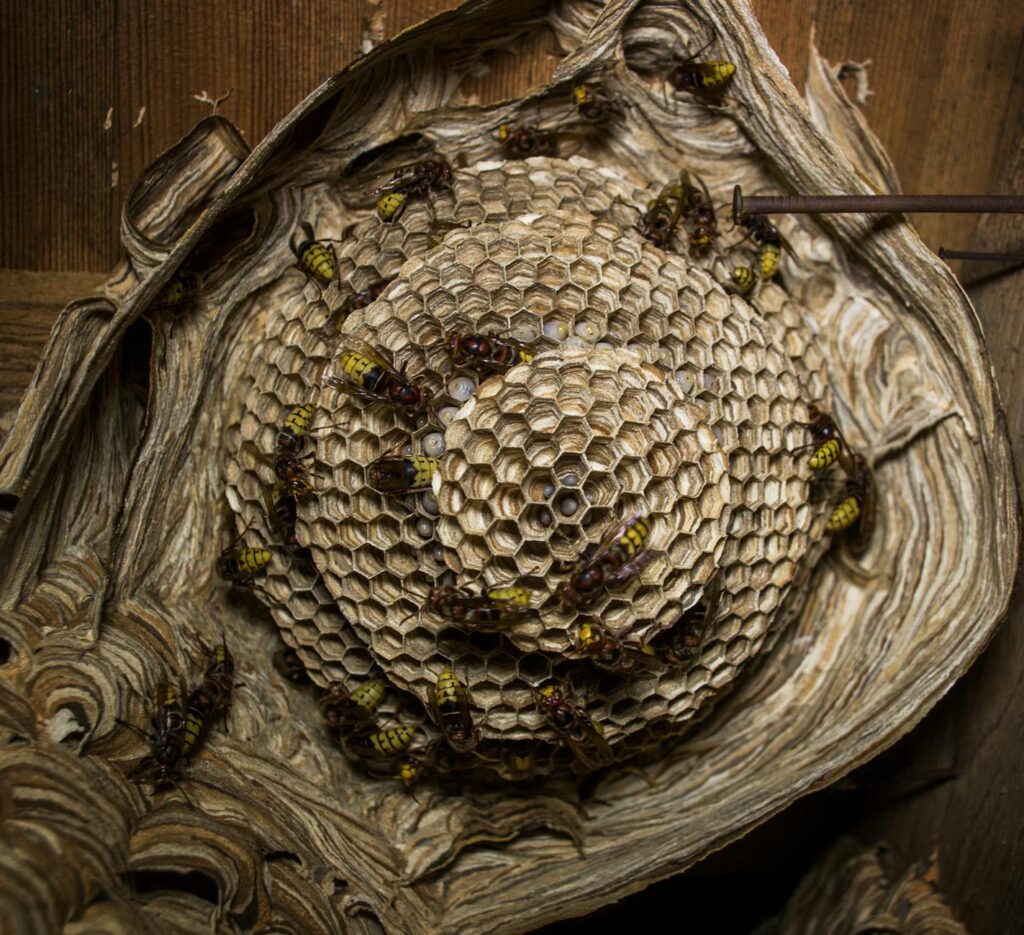
Wasps in the eaves of your Springfield, MO home can cause costly problems when early signs are missed. Learn the signs, risks, and when to call Holper’s Pest & Animal Solutions.
Key Takeaways About Wasps in Your Springfield, MO Eaves
- Wasps, hornets, and other stinging insects commonly build nests in the soffits and eaves of a home, and an inspection helps determine the right approach based on nest location, size, and the type of stinging insect involved.
- Several stinging insects can appear around Springfield homes, and telling them apart matters because each type nests differently and may require a different treatment strategy.
- Holper’s Pest & Animal Solutions can typically complete an inspection and treatment during the same appointment, using targeted products applied directly to the nest or a monthly power-spray program for ongoing wasp activity.
How to Identify Wasps and Stinging Insects Nesting in Your Eaves
If you have noticed wasps flying around the roofline of your Springfield, MO home, the eaves are one of the first places to look. Wasp nests are typically found in the soffits and eaves of a structure, where overhangs provide shelter from rain and wind. Knowing what to look for helps you act before a nest grows large enough to cause stings.
How to Tell Paper Wasps, Hornets, and Other Stinging Insects Apart
Two common paper wasp types you may find nesting in your eaves are Guinea wasps and red wasps. According to Mississippi State University Extension, red wasp nests are similar to Guinea wasp nests but larger. Both types produce open, papery nests with visible cells, so size is often the quickest way to tell them apart during a visual check.
Paper wasp nests last only one season regardless of species. That means a nest you spot under your eaves in spring is a new colony, not a holdover from last year. Baldfaced hornets and European hornets also build nests around rooflines, though their nest structure and preferred locations differ from paper wasps.
How to Spot Wasp and Stinging Insect Activity in Your Springfield Eaves
Steady wasp traffic near your soffit line or roofline is the clearest sign of a nest. You may see wasps returning to the same spot, often disappearing under an overhang. As Mississippi State University Extension advises, staying alert for wasp nests around the home is the first step toward managing stinging insect infestations.
Paper wasp nests placed where they are likely to cause stings should be treated before the colony grows. If you notice wasps entering your eaves every time you open a door or walk the porch, the nest is in a high-contact area worth investigating promptly.
Where Wasps, Mud Daubers, and Bumble Bees Show Up Around Springfield, MO Homes
Around buildings, wasp nests are often found under eaves and in other protected areas. According to Mississippi State University Extension, in natural settings nests are often built over water or in thick shrubbery, but on structures they favor sheltered spots under overhangs. Eaves, soffits, and gutters offer the overhead cover paper wasps and other stinging insects prefer.
Mud daubers build their distinctive mud tubes in similar protected areas, while bumble bees tend to nest in the ground rather than in eaves. A pest management professional has the experience and appropriate tools to locate and distinguish between these different stinging insect infestations in hard-to-reach spots.
Exterior Entry Points Wasps Use Around Your Eaves in Springfield, MO
Gaps where soffits meet the roofline or where gutters attach to fascia boards give wasps and hornets access to sheltered nesting sites. Checking these junctions every few weeks can help you catch a new nest before it grows into a larger stinging insect problem.
Preventive exclusion offers the best results for keeping wasp nests from returning season after season. If you find a nest in a location where stings are likely, addressing it early is the safest approach for your household.
Why Wasps and Stinging Insects Target Springfield, MO Eaves
If you live in Springfield, MO, you may spot wasp activity around your eaves and soffits, and there are clear reasons these spots attract stinging insects. Understanding what draws wasps to your home helps you recognize a developing problem before nests grow larger and effective removal becomes more difficult.
Outdoor Nesting Areas for Paper Wasps and Hornets Around Springfield Homes
Social wasps build paper nests and form colonies with an egg-laying queen and many sterile worker females. These colonies are annual, meaning a nest is used only during the single season it is built. Eaves and soffits remain preferred nesting spots because overhangs offer reliable protection for paper wasps, baldfaced hornets, and European hornets alike.
European paper wasps often build nests inside enclosed voids such as lighting fixtures, bird boxes, and gas grills. These protected, infrequently disturbed spaces give colonies a quiet place to grow without interruption.
Food and Shelter That Attract Wasps and Honey Bees to Your Eaves
The sheltered geometry of eaves and soffits gives wasps two things they need: overhead cover and a stable surface for attaching paper nests. Other stinging insects favor different spots. Bumble bees are social and nest in the ground, while yellow jackets are typically found in the grass or around foliage near the home. Honey bees may also swarm near eaves before establishing a hive. Your eaves, however, remain a prime target for paper wasps and hornets.
How Wasps and Other Stinging Insects Move Around Your Home’s Eaves
Because social wasp colonies are annual, new queens start fresh nests each season. According to Purdue Extension, a nest is used only during the season it is built. This means you may see nests appear in new locations around your eaves from year to year, even if previous nests were removed.
Not every stinging insect you see near your home is a wasp. Cicada killer wasps, for example, are active for only about two to three weeks per year and are not aggressive. Sweat bees are also common around Springfield homes and are far less likely to sting than paper wasps or hornets. If you spot honey bees, contacting local beekeepers first is recommended, as they may relocate the swarm for you.
Trails and Entry Points Wasps and Hornets Use in Your Eaves
Wasps take advantage of gaps in soffits, gutters, and eave joints to access sheltered voids. European paper wasps are known to nest inside enclosed spaces that go undisturbed, including areas behind exterior fixtures. Baldfaced hornets and European hornets usually build their nests in higher locations, so upper eaves and rooflines can host larger stinging insect infestations that are harder to reach safely.
Attempting to treat a yellow jacket or hornet nest without proper training carries real danger. As the University of Georgia pest guide notes, a mistake during treatment can result in hospitalization or death from excessive stings. Proper identification and careful handling matter for any nest found around your eaves.
Health and Property Risks From Wasps in Your Springfield, MO Eaves
Wasps nesting in the eaves of your Springfield, MO home create several concerns worth understanding. While stings are the risk most homeowners think of first, wasps and related stinging insects can also affect your property and daily routines in less obvious ways.
Health Risks From Wasp and Stinging Insect Nests in Your Eaves
Stings are the most recognized concern with wasps around your home. Although most people view wasps strictly as harmful pests because of their stings, according to Mississippi State University Extension, paper wasps are also beneficial insects. That said, when nests are tucked into eaves directly above doorways or windows, the chance of an unwanted encounter with these stinging insects rises significantly.
Property Damage From Wasps, Carpenter Bees, and Mud Daubers in Your Eaves
Wasps themselves may not cause heavy structural damage, but related stinging insects drawn to eaves can. Carpenter bees, for example, bore into wood to create nesting galleries. According to the University of Georgia pest guide, cedar boards are particularly susceptible to extensive damage from carpenter bees. Eaves, soffits, and fascia boards made of untreated or soft wood can become targets over time.
Mud daubers also build nests in protected areas around eaves. These insects construct 4- to 6-inch-long vertical mud tubes on walls in spots shielded from rain and weather. Those hardened mud structures can accumulate and become difficult to remove if left unchecked.
Food Areas and Wasp Pest Control Activity Near Your Eaves
Most wasps attack, feed on, or parasitize other insects, including many damaging flies and caterpillars. This feeding behavior means wasps nesting in your eaves may patrol nearby outdoor areas where other insects gather. While this can be beneficial for your yard, it can also bring wasp activity uncomfortably close to outdoor dining or gathering spaces where effective removal is needed to restore comfort.
When to Look Closer at Wasp and Stinging Insect Activity in Your Eaves
Because nest size and type vary, an inspection helps determine the right wasp control services approach for any nest found around your eaves. At Holper’s, the inspection and treatment are typically handled in a single visit, so you do not have to wait for a separate appointment.
Bees and wasps are largely beneficial insects, and many bee species play important roles in pollinating wildflowers and fruit crops. Not every nest requires removal. However, nests positioned where regular foot traffic occurs deserve a closer look from a trained professional with the right wasp control services and tools.
Professional Pest Control for Wasps in Your Eaves in Springfield, MO
Wasps are drawn to the sheltered spaces along your eaves, soffits, and gutters because these areas offer the protection they need for nest building. If you have noticed gray, inverted-umbrella-shaped nests tucked under your roofline, you are dealing with a common nesting pattern that can recur season after season without the right approach.
Understanding what attracts wasps, how a proper inspection works, and what professional pest control services involve can help you make informed decisions for your Springfield, MO home.
How to Reduce Attractants and Prevent Wasp Nests in Your Eaves
The single most important step you can take is proactive exclusion. According to Mississippi State University Extension, good, proactive exclusion is the only way to prevent large numbers of overwintering wasps in attic or other building locations. That means sealing gaps where eaves meet the roofline, closing openings around soffits, and repairing damaged screens or vents before stinging insects move in.
Keeping sheltered spaces sealed or screened during the warmer months reduces the likelihood that wasps, hornets, or other stinging insects will choose your eaves as a nesting site. Regular walkarounds of your home’s exterior can help you spot potential entry points early.
Why Wasp Control Services in Springfield, MO Start With an Inspection
Because nest size, location, and stinging insect type all vary, Holper’s requires an inspection before determining the cost for treatment. In most cases, the inspection and treatment happen during a single visit for safe and effective removal.
Some species prefer enclosed areas inside eaves, while others build exposed nests under overhangs. Guinea wasps (Polistes exclamans), for example, are small, yellow and brown wasps that build nests in protected areas around buildings or in dense shrubbery. Identifying exactly what you are dealing with during an inspection shapes the treatment approach and determines the right wasp control services for your home.
What to Expect During Professional Wasp and Stinging Insect Treatment
When a nest is found, Holper’s technicians treat it directly using Delta Dust or Stryker 54. Technicians wear bee suits for protection during the process. If the nest is not found, or if you have an ongoing stinging insect problem where a specific nest is not identified, Holper’s may recommend a monthly power-spray program for effective removal of recurring activity.
During a power-spray service, the structure is treated with Suspend Polyzone using a backpack power sprayer. This approach addresses the small nests that form in soffits, gutters, and under eaves. The method targets the areas where wasps tend to return, rather than treating a single nest alone.
What to Expect From Holper’s Wasp Control Services Plan
A retreat is sometimes needed but is not typical. Your plan depends on what the inspection reveals. A one-nest situation may call for a single treatment visit, while a recurring wasp or hornet presence around your eaves may be better served by the monthly power-spray program.
Combining professional pest control services with proactive exclusion gives your home a layered approach. Sealing gaps along soffits and eaves helps keep overwintering stinging insects out, while targeted nest treatment addresses active colonies. Holper’s technicians can walk you through what makes sense for your home after the inspection.
Bottom Line on Wasps in the Eaves of Your Springfield, MO Home
Wasps tend to build nests in protected spots like eaves and soffits, making homes in Springfield, MO a common target for stinging insect infestations. When a nest is present, Holper’s Pest & Animal Solutions can typically handle the inspection and treatment in one visit for safe and effective removal.
For ongoing wasp activity where a single nest is not the issue, a monthly power-spray program can address small nests forming around the structure. If you are dealing with wasps, hornets, or other stinging insects around your eaves, contact Holper’s to request a quote and schedule an inspection.
Frequently Asked Questions About Wasps in Your Springfield, MO Eaves
Where Do Paper Wasps and Hornets Usually Build Nests on a Home?
Soffits and eaves are the most common nesting spots because they offer overhead shelter. Paper wasp nests are inverted-umbrella-shaped and attach directly to surfaces under overhangs. Baldfaced hornets and European hornets may also build in higher eave locations. Mud daubers construct vertical mud tubes in similar sheltered areas around the exterior.
Can the Wasp Control Inspection and Treatment Happen at the Same Time?
In most cases, yes. Because nest locations, nest size, and stinging insect type vary, an inspection is required before finalizing the cost, but treatment for safe and effective removal typically follows during the same visit.
Will a Retreat Be Necessary After Wasp Treatment?
Sometimes, but not typically. After treatment, most wasp activity around the nest area subsides. If wasps, hornets, or other stinging insects continue returning or new nests form, Holper’s can assess whether additional pest control services are needed.
Do You Treat Honey Bee Nests in Eaves?
Holper’s will only treat a honey bee nest if it is located where someone could be harmed, such as close to the home where children or pets are present. If possible, the team recommends contacting local beekeepers first to see if hive relocation is an option, since honey bees are beneficial insects worth preserving when safely possible.