
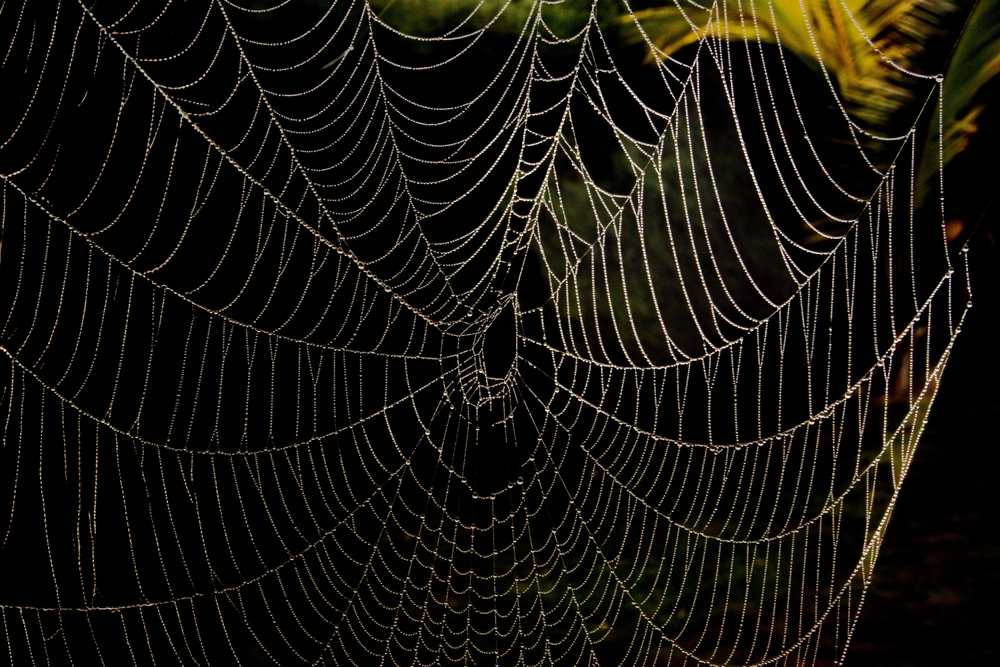
Spiders in your house can cause problems when early signs are missed. Learn the signs, risks, and when to call Holper’s Pest & Animal Solutions.
Why Are There So Many Spiders in My House?
Finding many spiders in your house is a common experience, and there are clear reasons behind it. Spiders follow their food source, so when insects are present indoors, spiders tend to show up as well. Your home may also offer shelter and quiet spaces that spiders prefer.
Understanding which spiders you are seeing can help you decide how concerned you should be. Some house spiders pose little risk, while a few species deserve closer attention. In the sections ahead, we will cover how to identify the spiders you may encounter, what risks they can present, and practical steps you can take to reduce their presence.
Sealing entry points and limiting the insects that attract spiders can make a noticeable difference. For situations that go beyond basic prevention, professional spider control from Holper’s Pest & Animal Solutions can help you address what is drawing spiders inside and keep your home less inviting to them over time.
How to Identify Common Spiders in Your House
A noticeable spider population inside your home usually means conditions are favorable for them. Before deciding on next steps, it helps to know which spiders you are actually seeing. A quick look at body shape, web style, and eye arrangement can tell you whether a spider is a common house species or something worth watching more closely.
How to Tell Different Spider Types Apart in Your House
One of the most practical ways to distinguish common house spiders from less welcome species is to look at the eyes. According to the University of Georgia pest guide, the male Southern house spider has eight eyes grouped in a single cluster, while the brown recluse has only six eyes arranged in three separate pairs. This difference is small but visible with a magnifying glass or a close-up phone photo.
If you count six eyes in three distinct pairs, you may be looking at a brown recluse. Eight eyes in one tight group point toward a Southern house spider. Knowing this detail can save you from unnecessary worry, since many dark brown spiders are mistaken for recluses.
How to Spot Spider Activity Inside Your Home
Webs are the most obvious sign of spider activity. Irregular, tangled webs in corners, along ceiling lines, or behind furniture typically indicate house spiders have settled in. Fresh webs with intact silk strands suggest active residents rather than old, abandoned structures.
You may also notice small egg sacs tucked into web corners. Shed skins near webs are another clue that spiders have been living and growing in the same spot over time.
Where Spider Activity Shows Up Around Your Home
Indoors, spiders often set up in undisturbed areas. Closets, garages, basements, and attic spaces tend to see the most activity. Behind stored boxes and along window frames are also common spots where webs collect.
On the exterior, look under eaves, around porch lights, and near door frames. These spots tend to gather the small flying insects that draw spiders in the first place.
Exterior Entry Points Spiders Use Around Your Home
Spiders can enter through gaps around doors, windows, and where utility lines pass through exterior walls. Cracks in the foundation and torn window screens also provide easy access. Checking these entry points is a practical first step toward understanding why so many spiders are showing up inside your home.
Why Spider Problems Develop in Your House
A noticeable increase in spiders inside your home usually points to conditions that are drawing them in. Some species invade homes and other buildings seeking food, shelter, and water. When those resources are available, spider numbers can surge indoors.
Outdoor Nesting Areas for Spiders Around Your Home
Spiders often establish themselves near your home before moving inside. Many spiders, small beetles, wood roaches, sowbugs, wasps, ants, and small flies may hide or overwinter in firewood. According to Purdue Extension, these pests generally leave the wood within a few days after being brought indoors. Stacked firewood near doors or walls can serve as a staging area that funnels spiders into your living space.
Food and Shelter That Attract Spiders to Your Home
Spiders go where their food is. Southern house spiders, for example, consume pest species such as cockroaches, moths, and flies. If your home already hosts those insects, spiders will follow the food supply. Flies, wasps, and ants drawn to sugary residues or other food sources add to the prey base that sustains indoor spider populations.
Pests are also attracted by light, warm air, moisture, and food. Odors from dead insects or a nest inside a wall can draw additional prey insects, which in turn support more spiders. Clutter gives spiders places to hide, so reducing stored items helps limit the shelter they rely on.
How Spiders Move Around Your Home
Spiders seek protection and shelter in dark cavities in walls or crawl spaces. Once inside, they move toward quiet, undisturbed areas where they can build webs and wait for prey. Vacuuming indoor areas regularly helps minimize spider food such as insects, which can discourage spiders from settling in one spot.
Trails and Entry Points Spiders Use in Your House
Spiders follow the same paths as the insects they hunt. Where other pests find food, shelter, and water inside your home, spiders are likely to trail behind. Keeping indoor areas clean and free of clutter reduces both the prey insects and the hiding spots that allow spider populations to grow inside your house.
Risks From Spiders in Your House
Most spiders you find indoors are not dangerous, but a large spider population in your home can still create problems worth understanding. The risks range from occasional bite concerns to attracting other pests that may cause real damage to your belongings.
Health Risks Linked to House Spiders
Many common house spiders belong to the same family as the black widow (Theridiidae), but according to Mississippi State University Extension, most are no real threat and their bites are not considered medically significant to humans. That said, a high number of spiders indoors can be unsettling and may signal that other pests are already present in your living space.
While most spider species pose little direct health risk, the number of webs and the pests they attract can contribute to an uncomfortable indoor environment that deserves attention.
Property Damage From Spiders in Your House
Spiders themselves rarely damage your home’s structure. However, the way they get inside can point to existing problems. According to Oregon State University Solve Pest Problems, spiders use damaged exterior surfaces to enter structures. Cracks in the foundation, gaps around windows, and deteriorating siding all serve as entry points that may also allow moisture and other pests inside.
Leaving these openings unaddressed invites more than just spiders. Sealing cracks in the foundation and gaps around windows and doors helps keep a range of pests from moving indoors.
Food Areas and Spider Activity in Your Home
When bugs die indoors, they can provide food for other pests such as carpet beetles. As the University of Tennessee Extension notes, those carpet beetles may in turn damage woolen clothing and dried, stored products. A large spider population can mean more dead insects accumulating in corners, closets, and storage areas where these secondary pests thrive.
This chain reaction is one reason why indoor foggers are often discouraged. Foggers may handle pests present at the time but do not provide lasting control after the room is aired out, potentially leaving behind dead bugs that feed other pests.
When to Look Closer at Spider Activity in Your House
If you are noticing spiders throughout your home rather than just in a stray corner, it may be worth checking your home’s exterior for damage. Gaps around doors, foundation cracks, and worn exterior surfaces all give spiders a way in. Sealing these entry points addresses the root of the problem rather than just the visible pests.
A growing spider population often means your home is also hosting the smaller pests that spiders feed on. Paying attention to these signs early can help you understand what is drawing so many spiders inside.
Professional Pest Control for House Spiders
When spiders keep appearing throughout your home, the answer usually ties back to access points and conditions that welcome them inside. Reducing an infestation starts with understanding what draws spiders in and then taking practical steps to make your home less inviting. Below are the core areas a thorough spider control approach should cover.
How to Reduce Attractants for Spiders in Your House
Good housekeeping practices are essential to keep spiders from becoming a recurring problem indoors, according to Oregon State University Solve Pest Problems. Clutter on floors gives spiders places to hide and build webs undisturbed. Remove clutter from floors inside your home and around the foundation outside to limit those hiding spots.
Items that are already infested can serve as ongoing sources of spider activity. Discarding or heat-treating infested belongings and limiting hiding spots can help prevent future infestations. The fewer sheltered areas spiders can settle into, the less likely they are to establish themselves in your living spaces.
Why Spider Control in Your House Starts With Inspection
Before any treatment plan can work, someone needs to identify how spiders are getting inside. Window and door screens should be inspected for good seals, since gaps let in both spiders and the insects they prey on. A careful look at the foundation, window frames, and door frames can reveal cracks and openings that serve as entry points.
According to Purdue Extension, many spiders may be excluded from the home by caulking or otherwise sealing cracks and crevices around the foundation and around windows and doors. An inspection focuses on finding every one of those gaps so they can be addressed.
What to Expect During Professional Spider Treatment
A professional pest control visit for a spider infestation centers on sealing the home and reducing conditions that support spider activity. Door sweeps should be attached to entries that lead outdoors and into garages or basements to close off common access routes.
The goal is to cut off the pathways spiders use to enter your home. Each gap that gets sealed removes one more opportunity for spiders to move inside. Holper’s Pest & Animal Solutions sends technicians who focus on doing the right thing for your home rather than pushing unnecessary services.
What to Expect From a Spider Control Plan
A recurring pest control plan builds on the initial treatment by maintaining the conditions that keep spiders out over time. Regular housekeeping, ongoing clutter management indoors and around the foundation, and periodic checks on screens and seals all play a role.
Limiting hiding spots and keeping entry points sealed are the two pillars of long-term spider management. Because spiders follow the insects they feed on, a well-maintained home with tight seals and fewer sheltered areas gives them little reason to stay. Holper’s works with homeowners to build a plan that fits your property and keeps it maintained season after season.
Bottom Line on Spiders in Your House
Spiders move indoors because they find food, shelter, and entry points your home provides. Reducing clutter, keeping up with housekeeping, and sealing gaps around your foundation, windows, and doors can all help limit how many spiders settle inside. Most house spiders are no real threat and may even consume other pests, but a growing population often signals that other insects are present too. If you are seeing more spiders than you are comfortable with, Holper’s Pest & Animal Solutions can evaluate your home and recommend a plan that fits your situation.
Frequently Asked Questions About Spiders in Your House
Does a Lot of Spiders Mean I Have Other Pests?
It can. Spiders follow their food supply, so a spike in spider activity may point to insects already living in your home. Addressing those underlying pest populations often reduces spider numbers as well.
Are House Spiders Dangerous?
Most spiders found indoors are not a health concern and rarely bite people. Some species can even be considered beneficial because they feed on other household pests. If you are unsure about a spider you have found, a pest professional can help with identification.
What Attracts Spiders Indoors?
Cracks in the foundation, gaps around windows and doors, indoor clutter, and available prey insects all make a home inviting. Firewood brought inside may also carry spiders and other small pests that were sheltering in the wood.
How Can I Keep Spiders From Coming Back?
Good housekeeping habits, reducing clutter both indoors and around your foundation, and sealing entry points are the core steps. A recurring pest control plan can also help by targeting the insects that draw spiders inside in the first place.