Skip to content
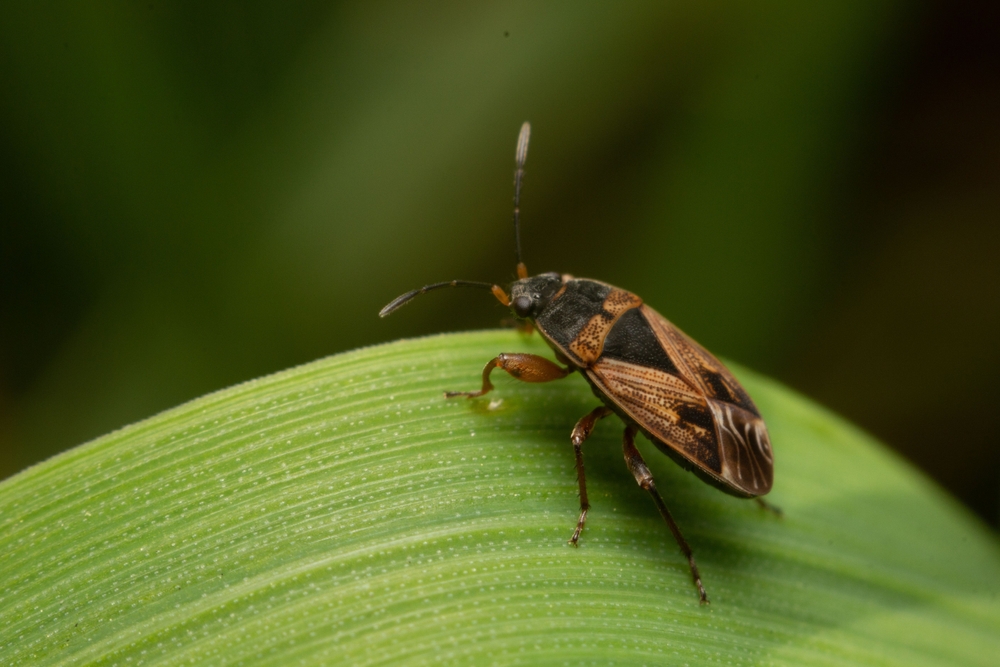
Bug-proofing your home can prevent costly problems when early signs are missed. Learn the signs, risks, and when to call Holper’s Pest & Animal Solutions.
Key Takeaways for Bug-Proofing Your Home
- Bug-proofing your home starts with a thorough inspection of potential entry points, including gaps around doors, windows, vents, and foundation-level openings where insects can slip inside.
- Prevention methods such as screening vents, maintaining tight seals, and managing moisture in key areas can reduce the number of bugs that make it indoors.
- Some insects are simply nuisances, while others can cause real damage, so identifying what you are dealing with helps you choose the right response.
- DIY steps go a long way, but certain pest problems may call for professional pest control to address entry points and conditions that are hard to manage on your own.
How to Identify Common Entry Points for Bugs
Before you can bug-proof your home, you need to know what you are dealing with and where to look. Not every insect enters a house the same way or leaves the same clues behind. A quick walkthrough of your interior and exterior can reveal the spots that deserve attention first.
How to Tell Different Bug Species Apart
Household pests vary widely in shape and size. One useful trait for narrowing down what you have found is the mouthpart structure. According to UC IPM, true bugs have sucking mouthparts that, on plant-feeding species, point downward and sit perpendicular to the body. Recognizing this detail can help you separate true bugs from beetles, ants, or other insects that chew rather than pierce.
Knowing the general category of pest you are seeing helps you choose the right prevention steps. A chewing insect and a sucking insect may favor different food sources and entry conditions, so accurate identification matters before you start sealing gaps or adjusting storage habits.
How to Spot Bug Activity Inside Your Home
Look for live or dead insects near windows, light fixtures, and along baseboards. These are common gathering spots because pests are often drawn to light or warmth after making their way indoors. Small dark specks, shed wings, or tiny droppings near these areas can confirm ongoing activity.
Check behind furniture that stays against walls for long periods. Undisturbed spaces give insects a place to rest unnoticed, so moving dressers and shelving during your inspection can reveal problems you would otherwise miss.
Where Bug Activity Shows Up Around Franklin County Homes
Inside, pay attention to kitchens, bathrooms, and utility rooms where moisture tends to collect. Pests often concentrate near water sources. Inspect under sinks, around pipe fittings, and along the edges of appliances for signs of insect traffic.
Garages and storage areas also deserve a close look. Cardboard boxes, stacked materials, and seldom-moved items create sheltered harborage that makes it harder to notice a growing population until numbers are already high.
Exterior Entry Points Bugs Use to Get Inside
Walk the outside perimeter of your home and examine the foundation for visible cracks or gaps. Even narrow openings around utility lines or conduit can serve as a pathway for insects moving from the yard to interior spaces.
Windows and doors are another priority. Inspect weatherstripping and screen condition, noting any tears or loose edges. Addressing these visible weak points is a practical first step toward reducing the number of pests that find their way inside.
Why Bug Problems Develop in Franklin County Homes
Bug problems rarely start overnight. Most begin when conditions around and underneath your home give insects exactly what they need: moisture, shelter, and a way inside. Understanding why these problems develop is the first step toward keeping your home less inviting to pests.
Outdoor Nesting Areas That Lead to Indoor Infestations
Many insects nest in low, moist places near the house or in the crawl space of the building. Drying out these areas can reduce the conditions that support pest activity. Crawl spaces in particular can harbor insects and other arthropods that later move into living areas. Newer building codes allow for enclosed crawl spaces that use a continuous vapor barrier to control moisture, keeping humid outdoor air from creating the damp conditions pests prefer.
Food and Shelter That Attract Bugs Into Your Home
Some insects eat wood, live in walls and crawl spaces, and generally infest places where people live. According to the University of Minnesota Extension, some are just nuisances while others can cause real damage. Removing food sources from your home can decrease activity from pests like spiders. Without food, spiders will move to a new location. The presence of other insects and arthropods in crawl spaces can itself attract predatory pests looking for prey.
How Bugs Move Around Your Home
Insects may occasionally find their way into basements or crawl spaces. Although they typically do not reproduce inside, large numbers have been reported from crawl spaces of buildings. Some pests, like boxelder bugs, congregate and enter homes in the fall as temperatures drop. Houses built on concrete slabs can face ant problems when insects nest under the slabs and work their way into the structure above.
Trails and Entry Points Bugs Use
Pests exploit surprisingly small gaps to get indoors. According to Purdue Extension, ants enter through cracks, heating ducts, and utility openings. Repairing holes in screens and caulking cracks in foundations are practical steps that help block these entry points. Reducing moisture in crawl spaces, while beneficial, can also reduce visible termite entry routes, making hidden activity harder to spot without a trained eye.
Risks of Leaving Your Franklin County Home Unprotected From Bugs
Bug proofing your home involves more than keeping pests out of living spaces. When gaps, ventilation, and moisture issues are overlooked, you can create conditions that attract pests or compromise your home’s air quality without realizing it. Understanding these risks helps you prioritize the right fixes.
Health Risks Linked to Bug Infestations
Sealing cracks and entryways is a core step in keeping pests out, but it is important to maintain adequate ventilation for health and safety reasons. Over-sealing without maintaining airflow can trap moisture and reduce indoor air quality, creating a less healthy living environment.
Foundation wall vents beneath buildings with crawl spaces should be large enough and equally distributed to prevent dead air pockets from forming. According to the University of Tennessee Extension, such pockets can give rise to humid conditions conducive to termite activity, powderpost beetles, carpenter ants, and wood decay. Poor ventilation under your home can set the stage for many pests to thrive.
Property Damage From Bug Infestations
When humid conditions develop in crawl spaces, the resulting moisture encourages wood-damaging pests. Termites, powderpost beetles, and carpenter ants are all drawn to damp environments. Failing to balance sealing efforts with proper airflow can accelerate the very damage you are trying to prevent.
Exterior lighting placed too close to the house can also attract bugs to your walls and entry points. Using sodium vapor lights near the home or positioning standard fixtures farther away helps reduce this risk.
Bug Activity in Food Preparation Areas
Pests often follow indirect paths to reach food areas inside your home. Window unit air conditioners, for example, are a common entry point that many homeowners overlook. Unscreened crawl space, soffit, and attic vents can also allow pests to stage in hidden areas before moving toward kitchens and pantries.
Some pests that homeowners consider nuisances actually serve a role outdoors. Wasps feed on caterpillars, including many pest species, and are considered beneficial insects. Adults are often seen feeding on decaying fruit. Keeping them outside rather than inside is the goal of thoughtful bug proofing.
When to Take a Closer Look at Bug Activity
If you can see light coming under a door, door sweeps may be needed. Damaged screens on doors and windows are another sign that your home’s barrier has weakened. These visible gaps signal that pests have easier access than you might expect.
Pets should sleep indoors, especially at night, to reduce their exposure to outdoor pests. If you notice pests gathering near exterior lights or finding their way through utility penetrations and siding gaps, it is time to inspect your home’s seals more carefully.
Professional Pest Control to Bug-Proof Your Franklin County Home
How to Reduce Attractants Around Your Home
Bug proofing your home starts with removing easy entry points. Keep screens on windows and over vents in soffits, gables, and crawl spaces. Add weatherstripping around doors and install door sweeps to make your house as tight as possible. According to Mississippi State University Extension, these precautions go a long way toward keeping bugs out.
For areas where standard screening may not hold up, layering heavy hardware cloth behind insect-proof window screening adds durability. This combination helps prevent animals from tearing through the screen, which would otherwise create an open path for insects as well.
Repair broken doors, windows, and screens as soon as you notice damage. Even small gaps in these barriers can give bugs a direct route inside, so staying ahead of maintenance is one of the simplest steps you can take.
Why Bug Control Starts With an Inspection
An inspection of entry points, crawl spaces, attic access, and foundation gaps identifies the weak spots that bugs and other pests use to get inside. Pay close attention to entry ways into attics and crawl spaces. According to Purdue Extension, these areas may serve as staging areas where bugs gather before moving into the rest of your home.
Homes with crawl spaces may also need an inspection for rodent activity. Addressing multiple vulnerabilities at the same time makes your bug proofing more complete.
Holper’s Pest & Animal Solutions sends trained technicians who know what to look for. Rather than a sales pitch, the goal is to identify real vulnerabilities and recommend the right course of action for your situation.
What to Expect During Professional Bug Treatment
When DIY prevention is not enough, professional pest control can address areas that are hard to reach on your own. Service professionals can treat attic or crawl spaces with targeted products such as synergized pyrethrins. Aerosol-type foggers are not recommended in other areas of the home, which is why professional application matters.
Holper’s technicians focus on doing the right thing for each customer. That means tailoring the approach to your home rather than applying a one-size-fits-all method. Every home has different construction, different vulnerabilities, and different needs.
What to Expect From a Bug Control Plan
A lasting pest control plan pairs your own prevention work with professional support. You handle the basics: maintaining screens, sealing gaps with weatherstripping, and repairing damaged doors or windows. Your Holper’s technician handles the areas that require specialized knowledge and access.
Because attics and crawl spaces can serve as staging areas for future problems, ongoing attention to those zones is especially important. A recurring pest control plan helps keep those hard-to-reach spots monitored over time so small openings do not turn into entry points.
Holper’s serves homeowners across Missouri, including Springfield, Franklin County, St. Charles, and Columbia. The focus is always on building trust through honest service rather than overselling.
Bottom Line on Bug-Proofing Your Franklin County Home
Bug-proofing your home comes down to a consistent routine: sealing cracks and gaps, maintaining screens and door sweeps, managing moisture, and inspecting areas like attics and crawl spaces before pests settle in. DIY prevention steps can go a long way, but some situations call for a trained eye and targeted treatment. If you are not sure where to start or your efforts are not keeping bugs out, contact Holper’s Pest & Animal Solutions for an inspection and a plan tailored to your home.
Frequently Asked Questions
Where Should I Look for Entry Points?
Focus on gaps around doors, windows, and utility openings. Check where pipes and wires enter the home, and inspect the areas leading into your attic or crawl space. If you can see light under an exterior door, that gap is large enough for many insects to pass through.
Can I Bug Proof My Home on My Own?
Many homeowners can handle basic steps like caulking cracks, repairing broken screens, and adding door sweeps. However, when sealing entry points, keep in mind that adequate ventilation should be maintained for health and safety reasons. Certain pest problems, such as carpenter ant activity or persistent infestations, may require professional pest control.
When Is the Best Time to Seal Up My Home?
Taking the time to identify and seal potential entry points before fall can help prevent frustration later in the winter when insects look for shelter indoors. That said, inspecting your home’s exterior and addressing gaps is worthwhile at any time of year.
Does Bug Proofing Also Help With Moisture Problems?
Sealing and maintaining crawl spaces can help with moisture control, and reducing moisture makes those spaces less attractive to many pests. A well-maintained crawl space with proper vapor barriers supports both structural health and your overall bug proofing effort.