Skip to content
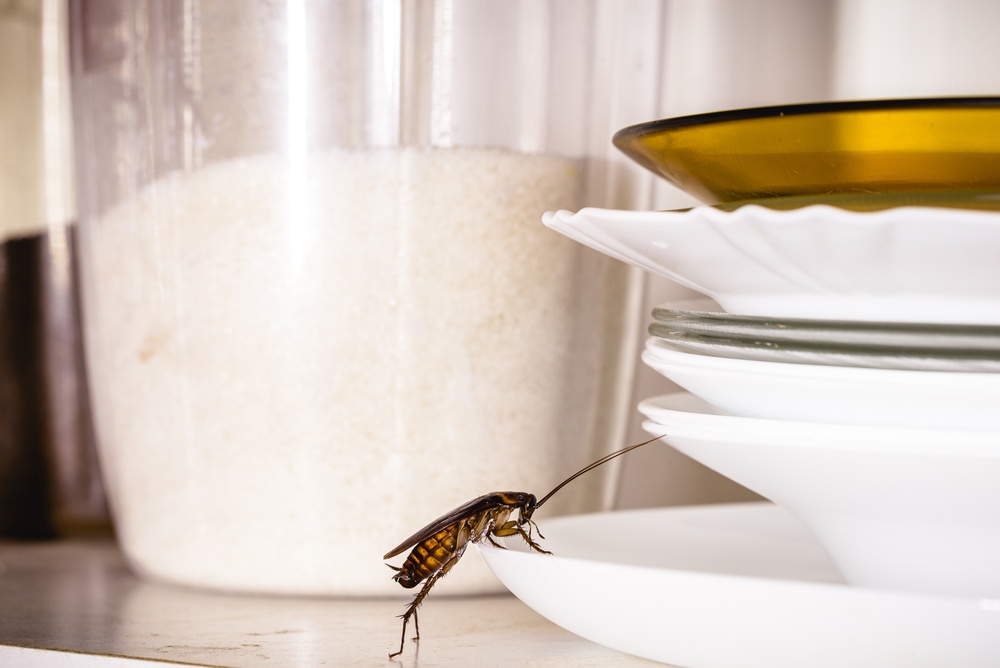
Bugs come out after rain for predictable reasons that are easy to miss. Learn the signs, risks, and when to call Holper’s Pest & Animal Solutions.
Key Takeaways About Why Bugs Come Out After Rain
- Heavy rain saturates soil and floods underground nesting areas, forcing ants, termites, roaches, and other pests to move toward dry shelter — often your home.
- Standing water left behind after a rainstorm creates breeding conditions for mosquitoes and other insects, which is why pest pressure often spikes days after the rain stops rather than during it.
- Damp crawl spaces, wet foundations, and clogged gutters all contribute to post-rain pest activity by giving displaced pests the moisture and shelter they need to settle in.
- When bugs keep appearing after rainy weather, it usually points to underlying conditions around your property that go beyond what surface-level fixes can address.
Why Do Bugs Come Out After Rain?
The pattern is familiar to many Franklin County homeowners: a heavy rainstorm passes through, and within a day or two, bugs appear inside the home. Ants trail along walls, roaches turn up in kitchens, and mosquitoes seem to multiply overnight. This is not a coincidence. Rain changes the outdoor environment in ways that directly drive pest behavior indoors.
Understanding why bugs come out after rain helps you recognize the warning signs earlier and take the right steps before a minor nuisance becomes a full infestation.
How to Tell Which Bugs Are Reacting to Rain
Not every pest responds to rainfall the same way. Ants and termites get flooded out of underground colonies and move toward higher, drier ground. Cockroaches are displaced from sewers and drainage systems when those systems back up. Mosquitoes do not get pushed inside but instead find new standing water to breed in, which means populations surge in your yard within days.
Knowing which pest you are seeing after a storm helps you understand what conditions are driving the activity. An ant trail appearing along a baseboard after rain points to flooded outdoor nesting. A roach sighting in a kitchen or basement after heavy rain often signals sewer or drainage disruption nearby.
How to Spot Post-Rain Bug Activity Inside Your Home
Look for insect activity near baseboards, under sinks, around pipe fittings, and along walls close to the foundation. These are common paths pests follow when moving from saturated outdoor areas into dry indoor spaces.
Ant trails forming suddenly after a storm are one of the clearest signs that a colony has been displaced. Roaches moving through kitchens or basements at night, particularly after heavy rainfall, may indicate that outdoor or underground populations are being pushed toward your home’s interior.
Where Post-Rain Bug Activity Shows Up Around Franklin County Homes
Basements and crawl spaces are among the first places to show increased pest activity after rain because they sit closest to saturated soil. Standing water collecting near the foundation, in low spots in the yard, or in clogged gutters can sustain pest populations long after the rain has stopped.
Mulch beds, leaf piles, and dense landscaping along the foundation also absorb moisture during rain and hold it for days. These areas serve as temporary harborage for pests moving from flooded ground toward your home.
Exterior Entry Points Bugs Use After Rain
When outdoor habitats flood, pests actively search for dry entry points. Small gaps around doors, cracks along the foundation, openings around utility lines, and worn weatherstripping all become active pathways during and after a rainstorm. Pests that might otherwise stay outside are motivated to push through any available gap once their outdoor shelter is saturated.
Checking these areas after heavy rain and addressing visible gaps is a practical first step. However, entry points along the foundation and around crawl spaces are often harder to spot without a professional inspection.
Why Bugs Come Out After Rain: The Conditions Behind the Pattern
Bugs do not come out after rain randomly. Rainfall creates a specific set of conditions — saturated soil, displaced colonies, standing water, and damp indoor areas — that combine to push pest activity toward structures. Understanding each of these conditions helps you see why post-rain pest problems are so common in Franklin County.
Flooded Outdoor Nesting Areas
Underground colonies are the first to be disrupted by heavy rain. Ant tunnels, termite galleries, and beetle burrows fill with water during prolonged rainfall, forcing entire populations to relocate. In Franklin County, where subterranean termites are a persistent concern, heavy rain can push termite colonies closer to your home’s foundation as they seek soil conditions that remain stable.
Roaches face a similar displacement. When sewer systems and storm drains back up during heavy rain, cockroaches are driven upward and outward, often finding their way into nearby structures through floor drains, gaps around pipes, and foundation cracks.
Standing Water Left Behind After the Storm
Once the rain stops, standing water remains in low spots in yards, clogged gutters, birdbaths, pot saucers, and anywhere else water fails to drain properly. For mosquitoes, this is all they need. Eggs can be laid and larvae can begin developing within days, which is why mosquito pressure in Franklin County often peaks in the week following a heavy rainstorm rather than during it.
Even small accumulations of standing water matter. A container holding a few inches of water left undisturbed for several days can support a new generation of mosquitoes.
Damp Areas That Form After Rain
Beyond standing water, rain creates lingering damp conditions in crawl spaces, basements, and around foundations that attract moisture-seeking pests. Carpenter ants, roaches, and certain beetle species are all drawn to wet wood and damp soil. In older Franklin County homes with basements, even minor water intrusion after a storm can create conditions that sustain pests long after the rain has passed.
Clogged gutters play a larger role than many homeowners realize. When gutters fail to drain properly, water pools near the roofline and foundation, creating hidden damp areas that pests use for nesting and as a pathway into the structure.
How Post-Rain Conditions Allow Pest Populations to Grow
Warm temperatures combined with the moisture left behind after rain create near-ideal conditions for reproduction. Mosquito populations can grow quickly when standing water is available. Ant colonies that relocate after flooding may establish new nesting sites closer to your home than before. Roaches that enter during a storm may find the damp, sheltered conditions of a basement or crawl space favorable enough to stay.
This is why pest activity after rain often builds over several days rather than appearing all at once. The displacement happens during the storm, but the settling and reproduction happen in the days that follow.
Risks From Post-Rain Bug Activity
When bugs come out after rain around your Franklin County home, the risks go beyond the initial inconvenience. Post-rain pest pressure can expose structural vulnerabilities, introduce health concerns, and signal ongoing conditions that will continue to attract pests if left unaddressed.
Health Risks Linked to Post-Rain Bug Activity
Mosquitoes that breed in standing water left by rain are among the most direct health concerns. They can transmit diseases including West Nile virus, making post-rain standing water a genuine public health issue rather than just a yard maintenance problem.
Cockroaches displaced from sewers and drains carry bacteria on their bodies as they move through kitchens and food preparation areas. The same surfaces they travel across after entering your home through floor drains or foundation gaps are the ones your family uses daily.
Property Damage From Post-Rain Bug Activity
Termites that move closer to your foundation after heavy rain can access structural wood if conditions allow. Carpenter ants drawn to damp wood after rain can establish nests inside wall voids and along roof lines where moisture has collected. Both pests can cause costly damage that often goes unnoticed until it has progressed significantly.
Standing water pooling against the foundation after rain also creates drainage and moisture conditions that, over time, support ongoing pest pressure. Addressing those underlying drainage issues is often part of a lasting pest management plan.
When to Look Closer at Post-Rain Bug Activity
A single ant sighting after rain may not signal a problem. But an ant trail forming along a baseboard, a roach spotted in the kitchen, or mosquitoes swarming around standing water in the yard all point to conditions worth investigating. According to pest management guidance from Purdue Extension, sites that regularly accumulate standing water should be noted and addressed before populations build.
If the same pest activity appears after each significant rainstorm, that pattern indicates conditions around your property that are consistently creating pest pressure. Identifying and addressing those conditions is the practical next step.
Professional Pest Control for Post-Rain Bug Problems in Franklin County
When bugs come out after rain around your home, the visible activity is often the last stage of a process that started outdoors. Lasting control focuses on the conditions driving pests toward your structure, not just the pests you can see.
How to Reduce Post-Rain Attractants Around Your Home
Walk your property after each significant rainstorm and look for standing water. Dump or drain containers, clear gutters of debris, and check low spots in the yard where water tends to pool. Addressing these water sources limits breeding habitat for mosquitoes and removes the moisture that sustains other pests after displacement.
Around the foundation, clear mulch and leaf litter that hold moisture against your home’s exterior. These materials stay wet for days after rain and give displaced pests both shelter and a pathway toward entry points.
Why Post-Rain Bug Control Starts With Inspection
Post-rain pest activity often reveals entry points and moisture conditions that are easy to miss during dry weather. A thorough inspection after a significant rain event can identify foundation cracks, gaps around utility lines, and crawl space conditions that are contributing to pest pressure.
Holper’s Pest & Animal Solutions sends technicians rather than salespeople. The goal of an inspection is to find the actual conditions driving pest activity around your home and give you honest recommendations for addressing them.
What to Expect During Professional Post-Rain Bug Treatment
Treatment after a rain event focuses on the areas where displaced pests are most likely to enter and settle. That includes foundation perimeters, crawl spaces, and the foliage and harborage areas near your home where pests congregate after flooding.
For mosquito control, Holper’s uses a backpack fogger to treat foliage and harborage areas near the outdoor spaces you use most. Treatments are applied every 25 to 35 days during the season, with each application helping reduce mosquito numbers over time as consistent reapplication maintains pressure on the population.
What to Expect From a Post-Rain Pest Control Plan
A well-structured plan pairs your own prevention habits with scheduled professional service. Your role involves addressing standing water, clearing debris from gutters, and monitoring for early signs of activity after each storm. Holper’s technicians handle the areas that require targeted treatment and a trained eye.
Holper’s seasonal service runs from April through September. If you are experiencing issues between scheduled visits, Holper’s will move your service up or retreat at no additional cost for seasonal package customers. This flexibility helps keep coverage responsive through Franklin County’s rainy season.
Bottom Line on Why Bugs Come Out After Rain
Bugs come out after rain because heavy rainfall disrupts outdoor habitats, floods underground nesting areas, and creates the standing water and damp conditions pests need to survive and reproduce. The activity you see indoors after a storm is the result of that displacement, and it often builds in the days following the rain rather than during it.
Removing standing water, clearing gutters, and sealing entry points are the most practical first steps you can take. When post-rain pest activity keeps recurring, Holper’s Pest & Animal Solutions can inspect your Franklin County property, identify the conditions driving the problem, and put a targeted plan in place. Contact Holper’s to schedule your inspection.
Frequently Asked Questions
Why Do Bugs Come Inside After It Rains?
Rain saturates outdoor nesting areas and floods underground colonies, forcing pests to search for dry shelter. Your home provides exactly what they need — warmth, dryness, and food — which is why bug activity indoors often spikes shortly after a rainstorm.
Why Are There So Many Mosquitoes After Rain?
Mosquitoes breed in standing water. After rain, puddles, clogged gutters, and any container holding water become potential breeding sites. Larvae can develop within days in warm weather, which is why mosquito populations in Franklin County tend to surge in the week following heavy rain.
Do Termites Come Out After Rain?
Yes. Subterranean termites rely on soil contact, and heavy rain can disrupt their underground galleries. This forces them to relocate, sometimes bringing them closer to your home’s foundation. Termite swarmers are also more commonly seen after rain in spring and early summer.
When Should I Call a Professional After Rain-Related Pest Activity?
If you are seeing the same pest activity after each significant rainstorm, that pattern points to conditions around your property that are consistently attracting pests. A professional inspection can identify the entry points, moisture issues, and nesting conditions driving the problem and recommend a targeted plan to address them.