Skip to content
Earwigs in your St. Louis, MO home can cause costly problems when early signs are missed. Learn the signs, risks, and when to call Holper’s Pest & Animal Solutions.
Key Takeaways
- Earwigs, also called pincher bugs, can show up inside your house, but prevention starts with reducing moisture and clutter around the exterior of your home.
- DIY steps like cleaning up debris and sealing entry points may help limit earwig activity, though these steps do not guarantee full control of an earwig infestation.
- Simple earwig traps using vegetable oil can capture earwigs, and routine cleaning of cracks and crevices supports ongoing prevention.
- When earwig activity persists, a professional inspection can help identify what is drawing them in and where they are entering your home.
How to Identify Earwigs in Your St. Louis, MO Home
Before you can address an earwig problem in your St. Louis home, you need to know what you are looking at. Earwigs are a distinct species group, and recognizing their appearance, signs, and preferred hiding spots helps you understand the scope of any activity on your property.
How to Tell Earwigs and Pincher Bugs Apart From Other St. Louis Pests
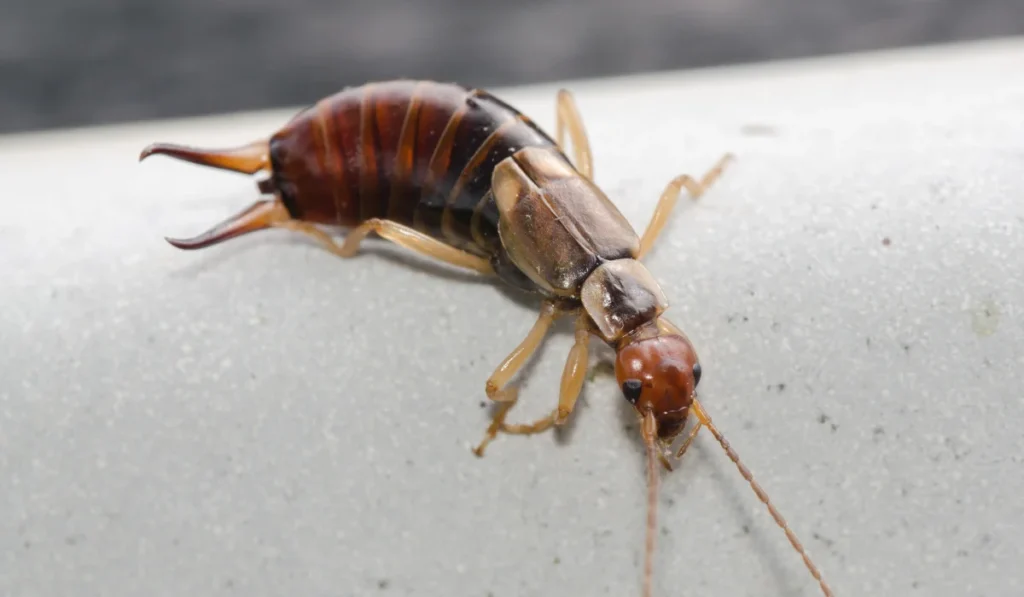
Earwigs, sometimes called pincher bugs, are slender, elongated insects most easily recognized by the pair of curved pincers (cerci) at the tip of their abdomen. Adults typically range from about half an inch to just under an inch in length, with dark reddish-brown coloring. Several species exist, though most share those telltale rear pincers. Younger earwigs look similar to adults but are smaller and lighter in color.
It helps to distinguish earwigs from other species you may encounter around your home. Unlike cockroaches, earwigs have visible pincers and lack the broad, flat body shape. Unlike beetles, they have a more flexible abdomen and move quickly when disturbed. Spiders and slugs are also common around the same damp outdoor areas but are easy to tell apart on sight.
How to Spot Earwig Activity and Earwig Infestations Inside Your St. Louis Home
Inside your home, earwigs tend to show up in rooms where moisture collects, such as bathrooms, laundry areas, and basements. You may notice a single earwig or small clusters near drains, under sinks, or along baseboards at night, since these bugs are mostly active after dark.
One clue that earwigs have moved indoors is their attraction to greasy foods and sweets in your kitchen or pantry areas. If you find these insects near food-preparation surfaces or stored items, that feeding preference can help confirm which pest is infesting those spaces.
Where Earwig Activity Shows Up Around St. Louis, MO Homes
Outdoors, earwigs feed on live and dead insects, seeds, weeds, and honeydew. You may find them beneath mulch beds, leaf litter, landscape timbers, stones, or potted plants where moisture and biological debris accumulate. Garden areas with dense ground cover near trees can also harbor earwig activity.
Because they are drawn to damp, sheltered spots, checking these areas during the day often reveals earwigs clustered together. Turning over rocks, boards, or yard debris near your foundation is one of the most straightforward inspection steps you can take to find earwig infestations before they spread indoors.
Exterior Entry Points Earwigs Use Around St. Louis, MO Homes
Earwigs typically move indoors through gaps around doors, windows, and foundation-level cracks. Any opening where moisture seeps in can double as an entry point for these insects. Gaps beneath exterior doors and spaces around pipe penetrations deserve close attention during your inspection.
Reducing moisture and biological debris directly against your foundation can make these entry points less appealing. Keeping mulch pulled back a few inches from the structure and ensuring downspouts direct water away from the house are practical steps worth taking as you evaluate your property.
Why Earwig Problems Develop Around St. Louis, MO Homes
Earwig problems around St. Louis homes usually start outdoors and gradually work their way inside. Understanding where these pests nest, what draws them in, and how they move through a structure helps you focus your prevention efforts in the right places.
Outdoor Nesting Areas for Earwigs Around St. Louis, MO Homes
Earwigs typically nest in soil, and nest sites vary with species. According to UC IPM, nests are often found next to buildings, along sidewalks, or close to food sources such as trees or plants that harbor honeydew-producing insects. Foundation perimeters and landscaped beds beside your home can host nesting activity that puts earwigs within easy reach of entry points.
Some species commonly nest outdoors and enter a house just to look for food. Others may nest indoors. Knowing which pattern you are dealing with matters because surface treatments along trails only address a few foraging individuals and do not control the earwig infestation at its source.
Food and Shelter That Attract Earwigs to St. Louis, MO Homes
Indoor food sources are a key driver of earwig activity. Different species prefer different foods indoors, and those preferences influence where you find earwig infestations. Spilled grains in cracks and crevices can sustain a population, so vacuuming those areas helps remove both food debris and eggs that may be present.
Reducing other bugs inside your home also reduces the food supply that supports earwig activity. Regular vacuuming of indoor areas helps minimize the small insects that serve as a food source for many household pests.
How Earwigs Move Through St. Louis, MO Homes
Earwigs that nest in soil around building foundations often forage indoors for food at night. This movement pattern means you may see activity inside even when the earwig infestation is entirely outside. Species that follow defined trails can create the appearance of a larger problem than the colony size suggests.
Addressing the nest or colony is more productive than targeting individual foragers. Treatments that only reach workers along a trail tend to leave the earwig infestation source intact.
Trails and Entry Points Earwigs Use in St. Louis, MO
Cracks and crevices along your foundation, door frames, and where utilities enter the wall are common routes earwigs use to get inside. Vacuuming these gaps regularly removes debris and eggs that accumulate in tight spaces. Sealing gaps where trails meet the structure limits the paths earwigs use to move between outdoor nests and indoor food sources.
Monitoring these entry points over time gives you a clearer picture of activity levels and helps you decide whether professional pest control is the next step to control earwigs in your St. Louis home.
Health and Property Risks From Earwigs in St. Louis, MO
If earwigs are showing up inside your St. Louis home, the urge to grab a fogger or spray is understandable. However, indoor treatment with the wrong approach can create secondary problems that go beyond the original pests. Understanding the actual risks helps you decide how to respond without making things worse.
Health Risks From Earwigs and Pest Control Mistakes in St. Louis Homes
Some indoor bug-control devices can create airborne insect particles. According to Mississippi State University Extension, electric insect traps that electrocute flies and other pests are not recommended for indoor use because the resulting airborne particles can potentially cause problems with allergies in humans and pets.
Those same airborne fragments may also contaminate food preparation surfaces. If you are dealing with earwigs or other bugs near living spaces, choosing the wrong device could introduce an air-quality concern you did not have before.
Property Risks From Using the Wrong Pesticides to Get Rid of Earwigs
A common DIY mistake is using indoor foggers. As the University of Tennessee Extension notes, indoor application of pesticides is discouraged for several reasons. Bugs that die indoors may provide food for other pests such as carpet beetles, which in turn could damage woolen clothing and dried, stored products.
Foggers may kill bugs present at the time of application, but they do not provide much control after the room is aired out. The short-lived results can leave you with a new pest problem on top of the earwig infestation.
Food Areas and Earwig Infestation Activity in St. Louis, MO Homes
Kitchens and pantries deserve extra caution when dealing with earwigs. Indoor electrocution-style traps used near food areas can spread contaminated insect particles onto surfaces where you prepare meals. Keeping food areas clean and using tight-fitting lids on garbage cans helps reduce conditions that attract earwigs and other bugs indoors.
Removing potential food sources is a practical first step. When biological debris or decaying material accumulates indoors, it can draw spiders, slugs, and other pests alongside earwigs, compounding the nuisance in your home.
When to Look More Closely at Earwig Activity in Your St. Louis, MO Home
If you notice other pests appearing after a DIY treatment, that may be a sign the approach backfired. Dead insect bodies left behind can attract carpet beetles and other secondary pests, turning a minor earwig infestation into a broader one.
Recurring earwig sightings, especially paired with signs of other bugs, suggest the situation needs a closer look from a trained service professional who can identify contributing conditions without creating new risks for your household.
Professional Pest Control to Get Rid of Earwigs in St. Louis, MO
A few DIY steps can help reduce earwig numbers in your St. Louis home. But lasting control to get rid of earwigs often depends on a thorough inspection and a structured plan that addresses where and how they are getting in. Below is a practical breakdown of what you can do on your own and what professional pest control adds to the process.
How to Reduce Attractants and Control Earwigs in St. Louis, MO
One of the simplest earwig traps is to fill a low-sided can with vegetable oil and add a drop of bacon grease or fish oil. According to UC IPM, this combination attracts and traps earwigs. Place several of these earwig traps near areas where you notice activity, such as along the foundation or near entry doors.
Caulking and sealing cracks and crevices around your home can also help reduce the number of bugs finding their way indoors. Sealing gaps limits entry points and removes some of the sheltered spots earwigs look for when infesting a house.
Keep in mind that earwig traps alone may not provide sufficient control of a well-established infestation. As Texas A&M AgriLife Extension notes, well-established pest populations often require additional methods beyond trapping, such as vacuuming, bait, dust, or spray to fully kill and control earwigs.
Why Getting Rid of Earwigs in St. Louis Starts With Inspection
Before any treatment, a careful inspection helps identify the cracks and crevices where earwigs are entering and hiding. Without knowing these entry points, pesticides and other treatments may miss the areas that matter most. Inspection also helps a service professional determine whether the issue is limited to a few stragglers or a more established earwig infestation.
A Holper’s technician will look at both interior and exterior conditions around your home. Identifying the pathways earwigs use to get inside guides the rest of the pest control plan and keeps the focus on targeted action rather than guesswork about which pesticides or methods to apply.
What to Expect During Professional Earwig Treatment in St. Louis, MO
Professional treatment to get rid of earwigs in your St. Louis home typically starts with sealing the cracks and crevices identified during inspection. This step reduces re-entry and limits the sheltered spaces earwigs and other bugs prefer when infesting a structure.
Indoor treatments may include targeted application of pesticides suited to the areas where earwigs have been found. If sprays are part of the plan, you, your pets, and your children should avoid touching or eating plants that are wet with spray until they have dried, as UC IPM advises for any spray application indoors.
Holper’s technicians focus on doing the right thing for your home. That means selecting the right pest control approach based on what the inspection reveals rather than applying a one-size-fits-all treatment to get rid of earwigs.
What to Expect From a St. Louis, MO Earwig Pest Control Plan
A pest control plan from Holper’s goes beyond a single visit. Recurring service allows your technician to monitor conditions around your home over time, checking that sealed entry points remain intact and adjusting the approach if earwig activity patterns change.
Because getting rid of earwigs depends on reducing access and attractants as much as it does on treatment, your plan may include practical recommendations you can follow between visits. Simple steps like maintaining vegetable oil earwig traps and keeping crevices sealed support the pest control work your technician does on-site.
Bottom Line on How To Get Rid Of Earwigs in St. Louis, MO
Managing earwigs around your St. Louis home comes down to reducing the damp, sheltered conditions they prefer and closing off entry points they use to get inside. Simple steps like sealing cracks, improving drainage near your foundation, and removing debris can make a noticeable difference against an earwig infestation.
DIY earwig traps and cleanup may help with small numbers, but persistent activity often points to conditions that are harder to address on your own. For ongoing earwig problems, contact Holper’s Pest & Animal Solutions to have a technician assess your situation and recommend the right pest control approach for your property.
Frequently Asked Questions
Why Do Earwigs and Pincher Bugs Come Inside Your St. Louis Home?
Earwigs, also called pincher bugs, generally prefer outdoor habitats but may move indoors at night when searching for food or when conditions outside become less favorable. Gaps around doors, windows, and foundation cracks can give them easy access. Reducing moisture and sealing these openings can help limit indoor earwig infestations.
Are Earwigs Dangerous or Harmful to Humans and Pets?
Earwigs are mostly a nuisance pest and are not considered dangerous. Despite the common myth that earwigs crawl into people’s ears, this rarely happens and is not a real health threat. They do not spread disease, and their pincers are not known to bite or harm humans or pets. Finding them indoors is more of an annoyance than a serious concern.
What Attracts Earwigs to a St. Louis Yard?
Earwigs are drawn to moist, sheltered spots near food sources. Mulch beds, leaf litter, stacked wood, weeds, and areas with poor drainage near a foundation can all create conditions they favor. Keeping landscaping tidy, trimming trees, and reducing ground-level moisture may help make your yard less inviting to earwig infestations.
When Should I Call a Professional to Get Rid of Earwigs?
If you are regularly finding earwigs inside your home despite taking prevention steps, a professional pest control inspection can help identify the source and contributing conditions. A trained technician can evaluate moisture issues, entry points, and harborage areas that may not be obvious during a homeowner walkthrough, and recommend the right pesticides or pest control methods to control earwigs in your St. Louis, MO home.