Skip to content
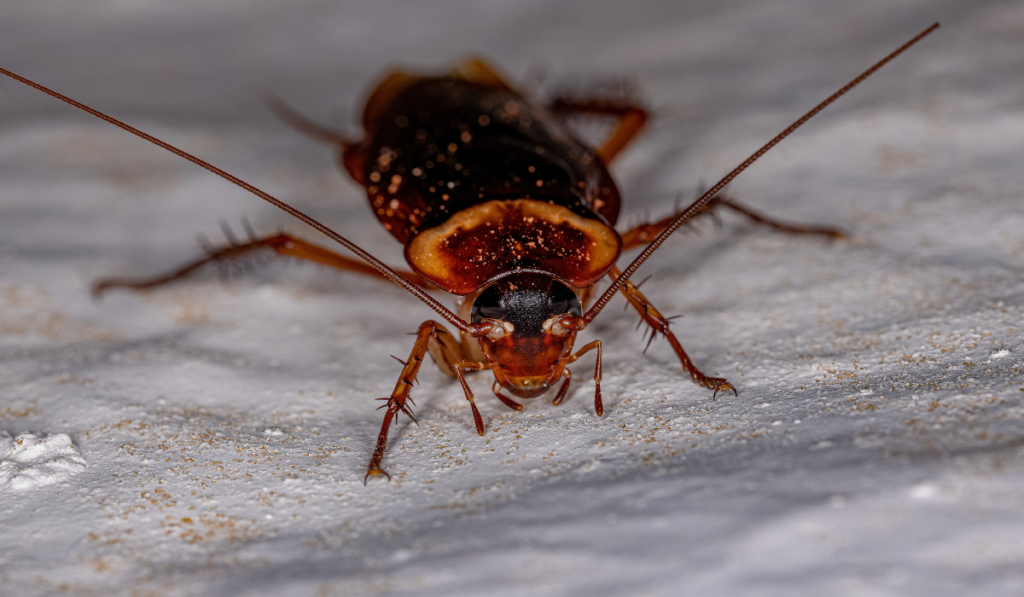
You find a cockroach in the bathroom one night, then another near the kitchen a week later. It’s easy to assume you’re seeing different insects each time, but many cockroach species can survive for months and, in some cases, more than a year. Understanding cockroach lifespan helps explain why infestations can linger, grow, and become harder to eliminate over time.
In this guide, you’ll learn how long common cockroach species live, what affects their survival, and what homeowners in St. Charles should know when dealing with an active infestation.
Key Takeaways
- Cockroach lifespan varies by species, and understanding the cockroach life cycle from egg to nymph to adult helps you recognize an infestation early.
- Some cockroach species live and breed entirely indoors, while others primarily stay outdoors and only move inside temporarily.
- Removing access to food, water, and shelter is one of the most practical ways to discourage cockroaches from settling in your home.
- German roaches can multiply quickly and often require multiple targeted treatments, including follow-up visits, to bring populations under control.
Understanding the Cockroach Life Cycle
Understanding how long cockroaches live starts with recognizing the species in your home. Different cockroach types pass through distinct life stages at different rates, and the signs they leave behind vary depending on the species. Knowing what to look for helps you gauge whether you are dealing with a new arrival or an established population.
Cockroach lifespan varies by species. German cockroaches typically live for several months, while larger species such as American cockroaches can survive for more than a year under favorable conditions. Access to food, water, and shelter plays a major role in how long a cockroach survives.
How to Recognize Cockroach Life Stages
German cockroaches are smaller than American cockroaches, identifiable by two dark parallel lines on their heads. Many adult cockroaches have fully developed wings, but only a few actually fly.
German cockroach adults and nymphs look quite different from each other. A German cockroach ootheca can produce 30 to 40 small nymphs, so spotting tiny wingless roaches alongside adults often points to active reproduction. Depending on the species, the overall body shape and wing development will differ from nymph to adult stage.
How Long Do Common Cockroach Species Live?
Cockroach lifespan varies by species. German cockroaches generally have shorter lifespans than larger species but reproduce rapidly indoors, allowing populations to grow quickly. American cockroaches typically live longer and may survive for more than a year under favorable conditions. Regardless of species, access to food, water, and shelter can extend survival and allow populations to persist.
How to Spot Cockroach Activity Inside Your Home
One reliable sign of an active cockroach population is the presence of egg cases. An adult female cockroach produces an egg case called an ootheca, which she carries protruding from the tip of her abdomen. If you see a roach with an ootheca attached, the population is actively reproducing and may be further along in its lifecycle than a few stray adults would suggest.
Depending on the species living inside your home, activity can look different. German cockroaches and other indoor species tend to stay hidden during the day. Spotting even a few usually indicates a larger, unseen infestation, especially with German roaches, which are skilled at hiding.
Where Cockroach Activity Shows Up Around Homes
Indoor cockroach activity, depending on the species, often concentrates in areas with moisture and warmth. German cockroaches and other species living inside structures tend to stay close to food preparation areas. Gel baits are a common management tool for German cockroaches and other indoor species, so technicians typically focus on these zones.
Exterior Entry Points Cockroaches Use
Cockroaches that primarily live outdoors may move inside through gaps around doors, windows, utility penetrations, and other openings while searching for food, water, or shelter. Reducing outdoor lighting near entry points can help limit that attraction.
Why Cockroach Problems Develop
Understanding why cockroaches settle near your home helps explain how they sustain populations over time. Their lifespan depends on steady access to food sources, moisture, and shelter. When all three are available, cockroaches can thrive outdoors and eventually find their way inside.
Outdoor Nesting Areas for Cockroaches
Cockroaches tend to nest in dark, moist areas close to decaying biological food sources. They can live in compost piles, ground cover plants, hollow trees, mulch, old stumps, woodpiles, sewer manholes, and underground water meters. These spots provide the conditions cockroaches need to complete their life cycle without interruption.
American, oriental, and smokybrown cockroaches live mostly outdoors in these kinds of harborage areas. As long as food sources and moisture remain nearby, outdoor populations can persist through much of the year.
Food and Shelter That Attract Cockroaches
Different species seek out different food sources. Brown-banded cockroaches prefer starchy foods and do well in drier habitats compared to other species. They may even be found alongside German cockroaches in the same structure. Even a small overlap in food sources can support multiple species at once.
Any area where biological material accumulates, whether indoors or out, can sustain cockroach populations and extend the time they remain active in and around your home.
How Cockroaches Move Around Homes
Cockroaches can infest homes when brought in with groceries or boxes. Once established, they can readily move within structures, such as from one unit to another in multi-family buildings. Species like American and smokybrown cockroaches may also move indoors on their own in search of food or water.
Trails and Entry Points Cockroaches Use
Outdoor harborage areas near foundations can increase the likelihood of cockroaches finding their way indoors through gaps, cracks, and other entry points. Moist areas around plumbing, utility penetrations, and foundation openings often provide convenient access.
Risks From Cockroach Activity
Cockroach lifespan matters because many species reproduce throughout their lives. A small population can grow quickly when food, water, and shelter are readily available, allowing infestations to persist for months if conditions remain favorable.
Health Risks Linked to Cockroaches
As cockroaches progress through their nymph stages, they shed their skins multiple times. Nymphs molt 5 to 6 times before becoming adults. Those cast-off skins accumulate in wall voids, cabinets, and other enclosed areas. Over the full cockroach lifespan, this repeated molting adds up, especially when multiple generations overlap in the same space.
Property Damage From Cockroaches
Several cockroach species can become established in and around homes. But cockroaches do not damage structures the way termites, carpenter ants, or rodents can. The primary concern is contamination, droppings, shed skins, and the rapid growth of indoor populations over time.
Food Areas and Cockroach Activity
Kitchens and pantries are common areas where cockroach activity shows up throughout their lifespan. Adult cockroaches carry egg capsules until the eggs hatch, so a single adult near a food-preparation area may introduce the next generation directly into those spaces. Populations can build quickly in areas where food and moisture are accessible.
When to Look Closer at Cockroach Activity
If you notice small roaches without wings, those are nymphs, which means breeding is already underway in your home. Shed skins, egg capsules, or droppings in drawers, behind appliances, or along baseboards are signs that the cockroach lifespan cycle is actively progressing indoors.
German roaches require multiple treatments using both a spray and bait with an IGR to slow reproduction, while other species, such as American, brown banded, and Australian cockroaches, generally respond to most general pest treatments. Addressing the issue during the nymph stage can help interrupt the cycle before populations grow further.
Professional Pest Control for Cockroaches
Understanding how long cockroaches can persist in your home is the first step toward addressing them. Because some species live and breed entirely indoors while others enter from outside, a lasting approach requires more than a single fix. Prevention, thorough inspection, and professional treatment each play a role in keeping cockroach populations from taking hold.
How to Reduce Attractants for Cockroaches
Cockroaches need three things to thrive: food, water, and hiding places. According to Purdue Extension, removing those three resources can prevent cockroach infestations from occurring. Focus on limiting access to all three rather than targeting just one.
Store food in sealed containers, fix leaky pipes promptly, and wipe down surfaces after meals. Equally important is addressing potential hiding places. Declutter storage areas and seal gaps around cabinets and baseboards where cockroaches may shelter.
Why Cockroach Control Starts With Inspection
Not all cockroach species behave the same way. German and brownbanded cockroaches live and breed entirely indoors, while American, Oriental, and Turkestan cockroaches live outdoors but can temporarily invade indoor spaces. Identifying which type is present helps determine the right approach.
A careful inspection reveals where cockroaches are hiding, how they entered, and whether conditions in your home support breeding. Without this step, treatment may miss the areas that matter most. Holper’s technicians assess your home to understand what you are dealing with before recommending a plan.
What to Expect During Professional Cockroach Treatment
German roaches need an intensive approach: spray, bait, and an IGR (insect growth regulator) to slow reproduction. The initial service includes up to two follow-ups spaced 10 to 14 days apart. You may notice increased activity after the first treatment, which means the product is disturbing their hiding spaces. It usually takes 10 to 14 days to see any reduction.
All other species, like American, Brown Banded, and Australian cockroaches, respond to most general pest treatments. Holper’s technicians can help identify the species. If you are unsure, you can text a few pictures for identification.
What to Expect From a Cockroach Control Plan
A complete plan goes beyond a single visit. Reducing food, water, and known hiding places remains essential alongside professional treatment. Because German cockroach populations can grow quickly, Holper’s initial service includes follow-up visits rather than relying on one application.
For outdoor species that temporarily invade your home, ongoing general pest control can help address entry before cockroaches settle in. Pairing professional treatment with the prevention steps above gives your home the best chance of staying cockroach-free over the long term.
Bottom Line on Cockroach Lifespan
Understanding cockroach lifespan helps you recognize why a few sightings can quickly turn into a persistent problem. Cockroaches move through egg, nymph, and adult stages, and different species vary in how long each phase lasts and where they prefer to live. Reducing access to food, water, and shelter is the foundation of keeping populations in check. German cockroaches in particular require prompt, professional attention because of how quickly they reproduce and how well they conceal themselves.
If you suspect cockroach activity in your home, reach out to Holper’s Pest & Animal Solutions for a closer look and a tailored plan.
Frequently Asked Questions
How Can I Tell If I Have German Cockroaches?
German cockroaches are smaller than other common species and have two dark parallel lines on their heads. If you are unsure, Holper’s can identify them if you text a few pictures.
Why Does It Seem Worse Right After a Treatment?
Seeing more cockroaches shortly after a service is actually a sign the treatment is working. The products disturb their hiding spaces, which drives them into the open. It usually takes 10 to 14 days to notice a reduction in activity.
Why Can’t a Single Treatment Handle German Cockroaches?
German cockroaches multiply rapidly and hide in hard-to-reach areas. An intensive initial treatment reduces the population, and additional follow-up visits address any remaining roaches with targeted baiting.
What Steps Can I Take to Prevent Cockroaches?
Removing their access to food, water, and hiding places is the most reliable way to discourage cockroach activity. Keep surfaces clean, fix leaky pipes or faucets, and seal gaps where roaches could shelter. For species that respond to general pest treatments, a recurring service plan can help maintain consistent coverage throughout the year.