Skip to content
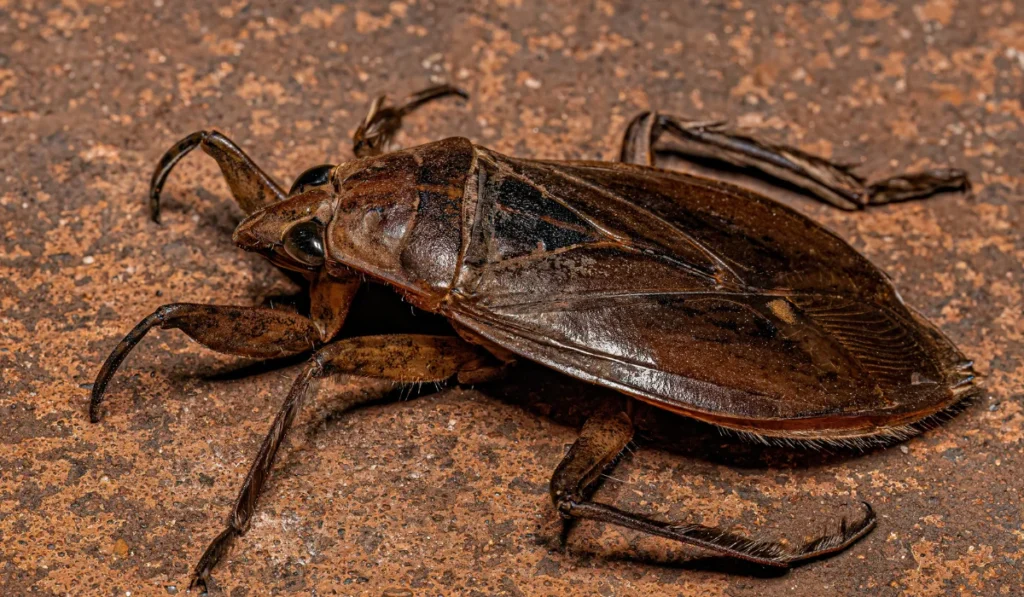
You spot a large dark insect near a basement drain and immediately assume it’s a water bug. A few days later, another one appears near the laundry room or garage.
The term “water bug” gets used for several different pests, but in many St. Louis homes, these sightings are actually linked to large cockroach species that thrive in damp environments. Knowing how to get rid of water bugs starts with identifying what you’re seeing and understanding why it ended up inside your home in the first place.
This guide explains what homeowners commonly call water bugs, where they typically come from, what attracts them indoors, and the steps that can help reduce activity around your property. You’ll also learn when a recurring problem may require professional treatment to address the source of the infestation.
Key Takeaways
- Many bugs commonly called “water bugs” are actually cockroach species, so correct identification is the first step toward choosing the right approach.
- Reducing moisture and addressing damp areas around your home can make it less appealing to these pests, which tend to seek out dark, humid hiding spots.
- Over-the-counter sprays and bug bombs may not reach the places where roaches typically hide, which can limit DIY results.
- A professional inspection can help pinpoint where water bugs are entering and harboring so that targeted steps, rather than guesswork, guide the process.
How to Identify Water Bugs
The term “water bug” is commonly applied to several cockroach species that favor damp outdoor areas and sometimes move indoors. Before you can figure out how to get rid of water bugs, you need to know which type you are dealing with. Proper identification helps you focus your inspection and understand where activity is coming from.
In Missouri, the insects most commonly called water bugs are large cockroach species such as American cockroaches, Oriental cockroaches, and smokybrown cockroaches.
How to Tell Water Bug Types Apart
According to Kansas State University Extension, cockroaches generally have an oval, flattened body shape that lets them slip into small cracks and crevices. Beyond that shared trait, differences in wings and behavior set species apart.
Oriental cockroaches are dark-colored roaches commonly associated with damp environments such as basements, crawl spaces, and drains. The smokybrown cockroach is a large, dark-brown species often found in suburban neighborhoods with mature hardwood trees.
How to Spot Water Bug Activity Inside Your Home
Because their flat body profile allows them to squeeze through tight gaps, cockroaches often appear in areas you might not expect. Look for live or dead insects near moisture sources such as drains and leaky pipes. Smokybrown cockroach nymphs in their earliest stage can be identified by a white band across their backs, just behind the thorax, and white-tipped antennae.
Where Water Bug Activity Shows Up Around Homes
According to the University of Georgia pest guide, smokybrown cockroaches commonly live in treeholes, attics, crawlspaces, and sheds in neighborhoods with mature hardwood trees.
Exterior Entry Points Water Bugs Use
The oval, flattened body of a cockroach gives it access to surprisingly narrow openings. Cracks along foundations, gaps around door frames, and spaces where utility lines enter your home can all serve as pathways. Inspecting these areas regularly helps you understand where water bugs are entering, so you can address the right spots.
Why Water Bug Problems Develop
Water bug problems rarely appear out of nowhere. These pests move toward homes that offer the three things they need most: food, water, and hiding places. Understanding what draws them in and how they travel helps you focus your prevention efforts in the right spots.
Outdoor Nesting Areas for Water Bugs
Water bugs often start outdoors in damp, sheltered areas. Crawl spaces that harbor other insects can become a food source that supports nearby pest populations. Reducing insects and other arthropods in crawl spaces removes part of the food web that keeps water bugs close to your home.
Moist soil near your foundation also plays a role. Soil that stays wet against exterior walls creates favorable conditions, so maintaining drainage and reducing ground-level moisture can help discourage nesting.
Food and Shelter That Attract Water Bugs
Even tiny crumbs or liquids can attract water bugs indoors. Regularly cleaning behind kitchen appliances, wiping down floors and counters, and vacuuming cracks and crevices removes the food debris they rely on. Reducing food and water sources, as well as known and potential hiding places, is essential to preventing infestations.
Water leaks under sinks or around plumbing provide the moisture these pests need. Fixing leaks removes a key resource that keeps them established inside your home.
How Water Bugs Move Around Homes
Water bugs spread through a home by following moisture and food trails. They can move through wall voids, along plumbing lines, and into kitchens or bathrooms where water collects. Without food available, pests will move to a new location, which means an untreated room may simply push them elsewhere.
Vacuuming indoor cracks and crevices can help remove eggs and debris that support continued activity in hidden areas.
Trails and Entry Points Water Bugs Use
Cracks in foundations, holes in screens, and gaps around sinks and plumbing all serve as entry points. Repairing holes in screens and caulking cracks in foundations limits access. Use a good-quality caulk or sealant to close gaps around sinks and plumbing, in walls, and along kitchen splash guards.
Sealing these openings addresses both entry and hiding spots at the same time. When you remove food, water, and hiding places together, you reduce the conditions that allow water bug problems to develop in the first place.
Risks From Water Bugs
Water bugs are pests that tend to settle into areas of your home that are hard to monitor. Understanding the risks they pose helps you decide how quickly to act and which spaces deserve the closest attention.
Health Risks Linked to Water Bugs
Water bugs prefer damp, dark, cool habitats and are often found in basements, crawl spaces, garages, trash cans, wood piles, and indoor or outdoor drains. These same areas tend to have limited airflow, which matters when you start sealing entry points. When sealing entry points, avoid creating moisture problems by maintaining proper ventilation in basements, crawl spaces, and other damp areas.
Over-sealing a damp basement or crawl space without maintaining proper ventilation can create moisture buildup and air-quality concerns for your household. Balancing pest exclusion with airflow is an important part of any control effort.
Property Damage From Water Bugs
Water bugs do not damage structures the way termites or carpenter ants do. The primary concern is contamination, the spread of cockroach activity throughout the home, and the difficulty of eliminating established populations.
Food Areas and Water Bug Activity
Pests that favor damp conditions often overlap with areas where food is stored or prepared. Water bugs are frequently found near drains, and their preference for dark, cool spaces can bring them close to kitchens and pantry-adjacent areas like basements and garages.
When to Look Closer at Water Bug Activity
If you notice water bugs in one room, it is worth checking the surrounding spaces. These pests tend to stay in basements, crawl spaces, garages, and drains, but growing numbers can push them into new hiding spots throughout your home. Inspecting floorboard gaps, outlet covers, and nearby electronics can reveal whether pests have already spread beyond the original area.
Regularly checking damp zones and sealing cracks, while keeping adequate ventilation, gives you the best starting point for managing these pests in your home.
Professional Pest Control for Water Bugs
Getting rid of water bugs starts with practical prevention steps and a thorough inspection of your home. When an infestation persists, professional control can target the specific areas where bugs hide and enter. Here is how each stage works.
How to Reduce Attractants for Water Bugs
Many infestations can be prevented or reduced by closing or sealing openings through which bugs can enter from the outside. According to Purdue Extension, this includes caulking small cracks and holes in the siding, window, and door frames, and screening ventilators.
Seal holes or crevices around walls or doors as well. Bugs can travel from neighboring units or rooms into your home through holes and cracks. Focus on any gap where exterior walls, doors, or utility lines meet the interior of your home.
Caulking and sealing cracks and crevices throughout your living space also removes hiding spots that bugs rely on. The fewer sheltered spaces available, the harder it is for a population to build up indoors.
Why Water Bug Control Starts With Inspection
A careful inspection helps identify where bugs are entering and where they are hiding. Cracks behind baseboards, gaps around door frames, and openings in siding are common entry points worth checking.
Monitoring tools placed along walls and in areas where activity is suspected can help confirm the extent of a problem.
Without inspection, treatment may miss the areas that matter most. Knowing the entry points and hiding spots guides every step that follows.
What to Expect During Professional Water Bug Treatment
Professionals typically treat cracks and crevices where bugs hide, including areas behind baseboards, inside outlets, beneath furniture, and inside void areas. Dust formulations applied to these spaces can continue to provide some value as long as they stay dry.
Liquid treatments may be applied to cracks, crevices, entry points, and other areas where water bugs are active. These applications tend to work best when applied directly to the bugs rather than relying solely on residues left behind.
A Holper’s technician will inspect your home to determine where activity is occurring and which treatment approach fits the situation. The goal is thorough coverage of the areas bugs actually use.
What to Expect From a Water Bug Control Plan
A control plan typically combines the prevention steps above with targeted professional treatment. Sealing entry points reduces the chance of new bugs getting inside, while treatment addresses the bugs already present.
Ready-to-use household sprays labeled for crawling insects can serve as spot treatments between professional visits. However, these are limited in reach and may not address bugs hidden deep within wall voids or crevices.
Ongoing attention to cracks, crevices, and entry points is an important part of any long-term plan. A recurring service from Holper’s can help keep your home monitored so that new activity is caught early.
How to Get Rid of Water Bugs: Bottom Line
Getting rid of water bugs comes down to a consistent approach: remove the food, water, and hiding places they depend on, then seal the cracks and crevices they use to get inside. Cleaning up spills, fixing leaks, and keeping entry points sealed can go a long way toward making your home less inviting. DIY steps help reduce activity, but they may not reach bugs tucked deep into wall voids or other hard-to-access areas.
If you keep seeing water bugs after taking these steps, contact Holper’s Pest & Animal Solutions to request a quote and have a professional assess the situation.
Frequently Asked Questions
What Attracts Water Bugs Into a Home?
Water bugs are drawn to moisture and available food sources. Leaky pipes, standing water, and unsealed food can all make your home appealing. Reducing these attractants is one of the most practical first steps you can take.
Are Water Bugs the Same as Cockroaches?
The term “water bug” is often used to describe certain cockroach species, though true aquatic water bugs are a different group of insects. Asian cockroaches, commonly called water bugs, tend to prefer damp areas and may enter homes through drains or gaps around doors and walls.
Can I Handle a Water Bug Problem on My Own?
Basic prevention steps like sealing cracks, caulking gaps, and removing food and water sources can help reduce water bug activity. However, bugs hiding in hard-to-reach spots may persist despite your efforts. A professional inspection can help identify what you are dealing with and where they are coming from.
How Do I Keep Water Bugs From Coming Back?
Ongoing prevention matters most. Keep your home dry by fixing plumbing issues promptly. Seal holes and crevices around walls and doors, and clean up crumbs and spills regularly. Staying consistent with these habits makes it harder for water bugs to find what they need inside your home.