Skip to content
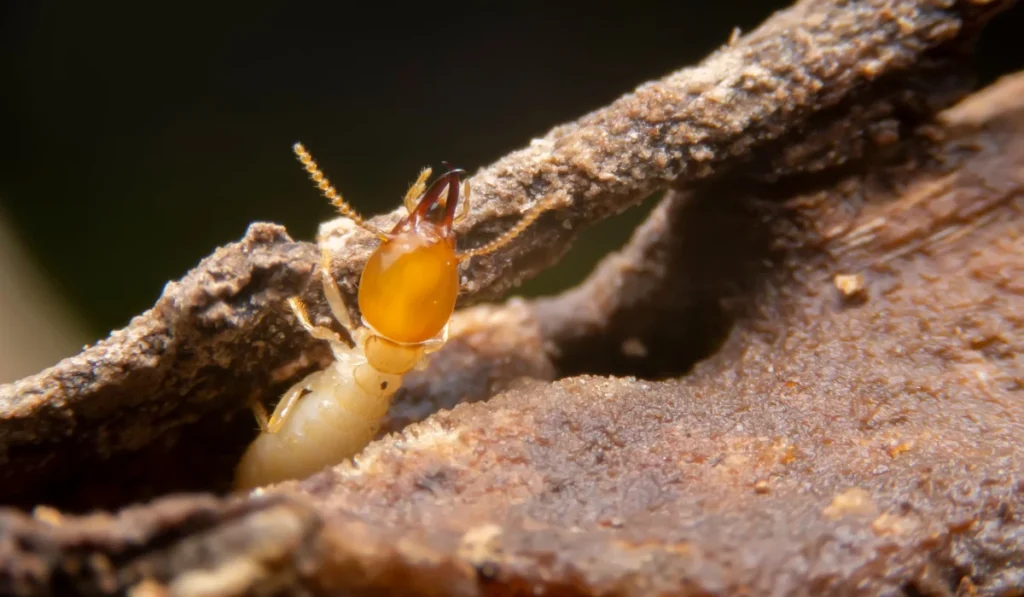
You pull back a piece of damaged wood while working in the basement and uncover dozens of pale insects moving through narrow tunnels. Your first reaction might be to step back and wonder whether they can bite.
When homeowners ask, do termites bite people, the answer is not in the way most people mean. Soldier termites can pinch skin if handled, but termites do not seek out humans or feed on blood. Termites are focused on feeding on wood and supporting the colony, not seeking out humans as a food source.
In this guide, you’ll learn which termites are capable of biting, how likely a bite is to occur, how termite behavior differs from biting pests such as bed bugs or mosquitoes, and why the real concern for St. Louis homeowners is the damage termites can cause inside a structure.
Key Takeaways
- Termites focus on wood and cellulose materials rather than humans, so bites to people are rare and not a typical concern for homeowners.
- The real risk termites pose is structural damage to your home, not bug bites or dangerous health threats to you or your family.
- Knowing the signs of termite activity, such as mud tubes along the foundation or hollow-sounding wood, helps you catch a problem before damage builds.
- An annual inspection is recommended for most homes, and preventive treatment options like baiting systems or liquid soil treatments can help protect your property year-round.
Do Termites Bite People?
When homeowners wonder whether termites bite people, the concern usually stems from noticing small bites or skin irritation and trying to identify the source. Termites are rarely the culprit. Other household pests are far more likely to bite, and understanding which ones actually do can help you narrow down what you are dealing with.
How to Tell Termite Bites Apart
Several small pests that live in or around homes do bite people, and they can be confused with one another. Fleas, for example, may bite people when no other host is available. They can jump 8 to 10 inches, latching onto a potential host as it walks past a newly emerged adult flea. Flea bites occur most often near the ankles and lower legs.
Lice are another biting pest that feeds on blood. Head, body, and pubic lice measure just 1 to 3 mm and spread through close contact. Their tiny size can make them difficult to spot without careful inspection. Knowing the size and behavior of these pests helps you rule out termites, which do not target people for feeding.
How to Spot Termite Activity Inside Your Home
If you notice bites on your skin, look for other clues that point to the actual pest. Flea bites tend to cluster around the ankles and lower legs because fleas jump from floor level onto a passing host. Finding small, dark insects hopping near carpet or pet bedding can confirm flea activity rather than termites.
Lice, by contrast, stay on the body or in hair and are transmitted through close contact. If bites appear on the scalp or other areas where lice are known to feed, a careful visual check of hair and clothing can help confirm or rule out lice.
Where Termite Activity Shows Up Around Homes
Termite activity usually shows up in areas tied to wood and soil, not on skin. Common signs include mud tubes along the foundation, hollow-sounding wood, discarded wings near windows or doors, and bubbling or uneven paint.
These signs point to a structural concern rather than a biting pest. If you see mud tubes or damaged wood, but also have unexplained bites, the bites likely come from a separate pest, such as fleas.
Exterior Entry Points Termites Use
Termites enter homes through the soil surrounding the foundation. Expansion joints, plumbing penetrations, and slab edges can all serve as access points. Subterranean termites are the most common type in Missouri, while drywood termites are uncommon but can be introduced through mulch, firewood, or wood furniture.
Any home can become vulnerable to termite activity if conditions allow colonies to establish nearby. An annual inspection is recommended for most homes, though homes with a history of termite damage may benefit from inspections every six months. Identifying the right pest early helps you address the actual problem rather than guessing.
Why Termite Problems Develop
Understanding where termites nest, what draws them in, and how they travel helps you separate a genuine bite concern from the broader structural risk termites actually pose.
Outdoor Nesting Areas for Termites
Subterranean termites build colonies in the soil. They rely on ground contact and consistent moisture to survive. Nesting sites form beneath the surface near any wood-to-soil connection around your home.
Food and Shelter That Attract Termites
Termites feed on cellulose found in wood. Wood framing, mud tubes along the foundation, and concealed moisture all support ongoing colony activity. Even though an insect may not bite, sting, or vector a disease, its mere presence can be distressing. Termites fall squarely into that category for many homeowners who discover signs of activity in their walls or foundation.
How Termites Move Around Homes
Termites remain active year-round. Swarming season, when winged reproductives are most noticeable, typically occurs in the spring after the first warm rain. In Missouri, this often falls in April or May. In recent years, shifting temperatures have occasionally resulted in two swarm events within a single season. A swarm inside your home can look alarming, but the swarmers themselves do not bite or sting people.
Trails and Entry Points Termites Use
Mud tubes are the primary travel corridors subterranean termites build along foundations, expansion joints, plumbing penetrations, and slab edges. These tubes connect the underground colony to indoor wood. Spotting these tubes, along with soft wood or bubbling paint, signals an active problem worth investigating promptly.
Risks From Termites
When homeowners search “do termites bite people,” the concern is usually about personal safety. The good news is that termites pose no direct health threat to you or your family. The real risk sits inside your walls, where termite activity can quietly compromise the wood that holds your home together.
Structural Risks From Termites
Termites do not bite people as part of their normal behavior, do not suck blood, and do not spread diseases to people. Soldier termites can occasionally pinch skin when disturbed, but this is rare. These pests also do not eat or bore into wood structures in the way many homeowners assume. Subterranean termites feed on cellulose in wood, and the damage they cause is structural rather than medical.
Because termites remain active year-round, the structural threat does not pause for any season. Ongoing awareness and preventative treatment are essential.
Hidden Termite Damage in Homes
Signs of termite activity are often hidden behind finished surfaces. Mud tubes, soft or damaged wood, discarded wings, and bubbling paint can all point to an active problem.
These indicators can go unnoticed for months or longer, which is why routine inspections are so important. Properties with past termite activity may benefit from more frequent checks.
Belongings and Moisture Risks From Termites
It helps to separate termites from other household pests that interact with people. Unlike bed bugs, fleas, or mosquitoes, termites do not rely on people as a food source. Their impact is limited to wood and cellulose materials.
They do not bite, sting, suck blood, or spread mammalian diseases. The threat they present is limited to the wood and cellulose materials in your home rather than to the people living inside it.
When a Termite Problem Needs Action
Because termites are not a direct health threat, the action threshold is tied to property protection rather than personal safety. If you notice any of the common signs listed above, a professional review is appropriate. Multiple swarm events can occur in a single season, so a quiet stretch does not guarantee your home is clear.
Preventative treatment, whether through a liquid soil application or a baiting system installed around the perimeter, is the most reliable way to address the ongoing risk these pests pose to your home’s structure.
Professional Pest Control for Termites
Termites are rarely a biting concern for homeowners, but their presence points to a larger issue: a possible infestation that can threaten the structural wood in your home.
Because termites work out of sight, the real worry is not a bite on your skin but the hidden damage they may cause over months or years. Understanding how to reduce risk, catch activity early, and address an infestation professionally helps you protect your home before damage accumulates.
How to Reduce Attractants for Termites
Even though termites are unlikely to bite people, reducing the conditions that draw them close to your home limits the chance of an infestation. Proactive steps, such as bait stations or liquid barriers around the home, are worthwhile. Keeping firewood, mulch, and wood debris away from the foundation also helps.
Why Termite Control Starts With Inspection
An annual inspection is recommended for most homes, with more frequent checks for properties that have experienced past activity. During swarming season in Missouri, visible swarmers may appear indoors or near foundations.
An inspection also helps rule out other pests that bite. Bites that appear as small welts, similar to mosquito bites, that itch and sometimes swell may be the first sign of a bed bug infestation. Identifying the correct pest guides the right response.
What to Expect During Professional Termite Treatment
When termite activity is confirmed, Holper’s Pest & Animal Solutions offers two primary treatment approaches. The first is a liquid soil treatment: a professional-grade termiticide is applied to the soil around the foundation.
This creates a continuous treated zone. The team trenches and treats the exterior foundation and, when accessible, drills and treats critical interior areas such as expansion joints, plumbing penetrations, and slab edges. The treatment binds to the soil and provides long-lasting, non-repellent protection that termites cannot detect or avoid.
The second option is a preventive baiting system. Monitoring and baiting stations are installed every 10 to 20 feet around the perimeter. Once activity is detected, a growth-regulating bait is added. Termites carry it back to the colony. Over time, the bait reduces colony pressure around the structure. The system is monitored throughout the year.
What to Expect From a Termite Control Plan
Successful pest management often requires intervening at the right point in a pest’s life cycle. Agencies like the CDC and EPA collaborate on scientifically tested methods that target pests before they interact with people. The same principle applies to termite management: addressing the colony in the soil before it reaches your home’s wood.
Holper’s sends technicians, not salespeople, and focuses on doing the right thing for you. Whether your home needs a liquid barrier or a baiting system, the goal is sustained, year-round monitoring and protection tailored to your property. An ongoing plan helps catch new activity early, so your home’s structure stays sound.
Do Termites Bite People: Bottom Line
Termites are not a biting threat to people. While soldier termites can pinch if handled directly, they do not seek out humans, and their focus stays on wood and cellulose materials. The real concern with termites is the structural damage they cause to homes over time.
Preventative treatment is the best way to protect your property, so the priority should be safeguarding your home rather than worrying about bites. If you notice mud tubes, damaged wood, or discarded wings, contact Holper’s Pest & Animal Solutions to schedule an inspection.
Frequently Asked Questions
Can Termites Hurt You Physically?
Termites are not dangerous to people. Soldier termites may pinch skin if you handle them, but they do not actively seek out or bite humans. They lack the mouthparts and behavior needed to feed on people, so they pose no meaningful physical risk to you or your family.
What Signs of Termites Should I Watch For?
Look for mud tubes along foundation walls, hollow-sounding wood, bubbling paint, discarded wings near windows or doors, and areas of wood that appear damaged or weakened.
How Often Should I Have My Home Inspected?
An annual termite inspection is recommended for most homes. If your home has a history of termite activity or damage, inspections every six months may be advised. Routine inspections help catch activity before damage accumulates inside walls and other hidden areas.
When Is Termite Activity Most Noticeable?
In Missouri, this usually falls around April or May. Shifting temperatures have occasionally produced two swarm events in a single season, so staying alert beyond the first swarm is worthwhile.