Skip to content
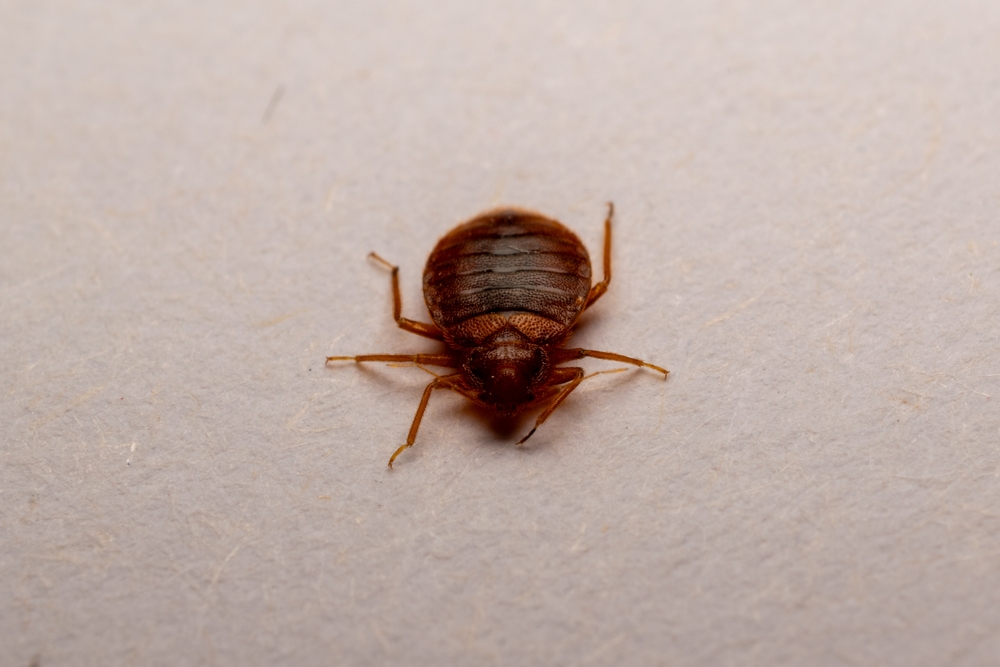
Springfield’s location in the Missouri Ozarks creates a pest environment that shifts with every season. Ants and termites emerge in spring, mosquitoes dominate summer, rodents push inside in fall, and brown recluse spiders take shelter through the cooler months.
Putting together an annual home pest checklist specific to this area gives homeowners a reliable way to stay ahead of each seasonal change, rather than scrambling after a problem has already taken hold.
Whether your home is near downtown Springfield, in Nixa or Republic, or on a wooded lot closer to the Ozark hills, the vulnerabilities are consistent enough to follow one organized prevention plan.
Why Springfield’s Climate Makes Prevention a Year-Round Job
Springfield’s humid summers and variable winters keep pest pressure active for most of the year. The surrounding Ozarks terrain, with wooded lots, creek drainages, and a mix of older and newer housing, gives pests cover and plenty of ways inside.
Subterranean termites are well established in this part of Missouri, and Springfield sits within the core range of the brown recluse spider, a detail that matters because brown recluse populations can reach high numbers in older homes and seldom-disturbed storage areas.
Pest populations in this region follow predictable seasonal patterns, but they also respond quickly when conditions shift.
A winter warmer than usual can push ants and cockroaches into activity earlier than expected. A wet spring creates standing water that sustains mosquitoes further into the season. Knowing what to check and when takes most of the guesswork out of managing pest pressure at home.
Spring Pest Prevention Checklist (March Through May)
Spring is the most active transition period. As soil temperatures rise, subterranean termites begin swarming, pavement ants and odorous house ants push toward foundations, and spiders that overwintered indoors become more visible. Wasps begin building nests under eaves and in attic voids during this period as well.
Inspect your foundation and exterior walls. Walk the full perimeter of your home and look for cracks, gaps around utility lines, and deteriorating caulk or mortar. Ants and spiders use surprisingly small openings to enter.
Check crawl spaces and basement walls for moisture. High humidity in crawl spaces attracts termites, cockroaches, and silverfish. Look for soft or hollow-sounding wood near the foundation and any mud tubes along concrete blocks or sill plates.
Mud tubes running from soil to wood are one of the more visible signs of subterranean termite activity. Holper’s offers a free termite inspection for Springfield homeowners and has provided termite control in Springfield since the company was founded in 1952.
Clear a gap between the mulch and your siding. Mulch and dense ground cover pushed against your foundation retain moisture and give ants and termites cover. Pulling it back even a few inches reduces that invitation.
Check door sweeps, thresholds, and window screens. Both tend to degrade over winter. Damaged screens and loose door sweeps become a common entry route once insects are active in warmer weather.
Trim branches and shrubs touching the house. Vegetation that contacts your walls or roofline gives insects a direct path inside that bypasses your foundation entirely.
Summer Pest Prevention Checklist (June Through August)
Summer brings heat and elevated humidity that pushes cockroach activity higher, sustains large mosquito populations, and allows wasps to fully establish their colonies. Fly pressure around kitchens and garbage areas also increases noticeably.
Eliminate standing water. Mosquitoes need still water to reproduce, and even small amounts in clogged gutters, flower saucers, birdbaths, or low spots in the yard are sufficient. Clear gutters and tip out containers after rain. Holper’s mosquito control for Springfield runs monthly from April through September.
Inspect attic vents and rooflines for nests. Wasps build new colonies each year, and an early nest the size of a golf ball in spring can become a much larger problem by late summer. Check soffits, attic vents, gaps around roof edges, and wood deck structures.
Keep kitchen surfaces and garbage areas clean. Cockroaches are drawn to grease residue, crumbs, and moisture. German cockroaches in particular can establish quickly once they find a food source. Keep drains clear, fix dripping faucets, and store dry goods in sealed containers.
Repair or replace damaged window and door screens. Damaged screens let flies and mosquitoes in consistently and are worth addressing before the height of summer.
Fall Pest Prevention Checklist (September Through November)
As temperatures drop, rodents, crickets, and stink bugs begin moving toward structures for warmth. Fall is the most common time for mice and rats to establish indoor entry points, and a thorough exterior inspection before cold weather sets in is worth the effort.
Seal gaps around the foundation, garage, and utility penetrations. Mice can enter through openings significantly smaller than most people expect.
Check where pipes, cables, and vents pass through exterior walls, and use steel wool or wire mesh paired with caulk for any gaps you find. The garage door threshold deserves a specific look, as gaps at the base are a frequent entry point for rodents.
Holper’s rodent control in Springfield addresses both active infestations and entry point vulnerabilities.
Store firewood away from the structure. Firewood stacked against the house provides shelter for rodents, spiders, and overwintering insects. Keep it elevated and at least a few feet from any exterior wall.
Inspect the attic. Fall is a good time to check for new gaps along the roofline, damaged soffit panels, or signs that squirrels or other wildlife have tested the structure for access. Droppings, disturbed insulation, and chewed wood are indicators worth acting on before winter.
Declutter storage areas. Cardboard boxes and accumulated clutter in basements, garages, and closets provide shelter for brown recluse spiders through the cooler months. Switching to sealed plastic bins reduces harborage significantly.
Winter Pest Prevention Checklist (December Through February)
Springfield winters are mild compared to much of the Midwest, which means pests that established themselves indoors remain active.
Brown recluse spiders do not go fully dormant in typical Springfield winter conditions. Cockroaches that found indoor entry points in fall remain active near heat sources, and rodent access left unaddressed before winter becomes an established route.
Reduce clutter in infrequently used spaces. Brown recluse spiders favor undisturbed areas: the backs of closets, cardboard storage boxes, spaces under furniture, and garage shelving. Routine disturbance of these areas, and a switch away from cardboard for storage, makes the environment less hospitable.
Holper’s spider control in Springfield targets the hiding areas brown recluse commonly use. Shake out clothing and check footwear that has been sitting unused.
Check plumbing and heating areas. Cockroaches and rodents gravitate toward warm, humid zones near water heaters, dishwashers, and under sink cabinets. Droppings, grease marks along walls, or unexplained damage to packaging are signs of activity worth addressing.
Inspect the exterior after hard freezes. Freeze-thaw cycles can open new gaps in mortar, caulking, and foundation seams. A brief exterior check after significant cold snaps can catch new vulnerabilities before spring pest season begins.
Year-Round Habits That Make a Difference
A few consistent practices reduce pest pressure across all seasons regardless of what specific checklist tasks are due.
Moisture control is one of the more impactful ones. Leaky pipes, poor drainage, and chronically damp crawl spaces attract termites, cockroaches, and silverfish. Fixing moisture problems removes one of the main reasons pests establish themselves indoors in the first place.
Food and waste management has a similarly consistent effect. Keeping pet food in sealed containers, emptying indoor trash regularly, and rinsing recyclables before they sit in bins all reduce what draws pests into the home.
The University of Missouri Extension’s Integrated Pest Management program outlines the prevention-first framework that licensed professionals in Missouri use, and many of the same principles apply at the household level.
When to Call a Professional
Some situations call for a professional assessment rather than a DIY response. Termite activity is one of them. Subterranean termite damage is not always visible until it has progressed, and treatment requires specific tools and materials that are not available to homeowners.
Brown recluse populations can be difficult to reduce through general sprays alone because these spiders are often established deep in wall voids and structural areas that surface applications don’t reach effectively. Recurring ant problems, persistent cockroach activity, and rodent signs that keep reappearing despite DIY exclusion are also situations where a professional inspection tends to identify the actual source.
Holper’s residential pest control in Springfield includes quarterly visits with Spring and Fall Power Sprays for seasonal invaders, a monthly mosquito program from April through September, and recurring coverage for over 100 pest types. The 100% satisfaction guarantee means they’ll return if covered pests come back between scheduled visits.
Schedule Pest Prevention Service in Springfield
Holper’s Pest & Animal Solutions has served Springfield-area homeowners since 1952. Their recurring protection plans start at $39 per month after an initial service, and same-day appointments are often available. If you’re ready to put a consistent year-round plan in place, request a free quote from the Holper’s Springfield team or call (417) 883-2000.
Frequently Asked Questions
What Pests Are Most Common in Springfield, MO Homes?
Springfield homeowners most commonly deal with ants (particularly pavement and odorous house ants), subterranean termites, mosquitoes, brown recluse spiders, German and American cockroaches, mice and rats, and seasonal wasps.
Brown recluse spiders are more prevalent in the Springfield area than in many other parts of the country, and termite pressure is consistent throughout Greene County and surrounding communities.
When Should I Start Pest Prevention Each Year?
The most active prevention window is late winter into early spring, before ants and termites become active. Completing an exterior inspection and sealing gaps before March gives you an advantage over the spring surge.
That said, fall is equally important for rodent exclusion, and winter preparation for indoor pests like brown recluse is worth building into a regular routine.
How Often Does a Springfield Home Need Professional Pest Treatment?
Quarterly service is the standard recommendation for year-round protection in this part of Missouri.
Seasonal shifts in pest pressure, the spring ant and termite surge, summer mosquito peak, and fall rodent push, mean that a single annual treatment leaves significant gaps in coverage. Many Springfield homeowners find that a recurring plan is more cost-effective than responding to individual infestations.
Are Holper’s Treatments Safe for Pets and Children?
Yes. Holper’s uses products that are pet and child-friendly once fully dried. They ask that people and pets avoid treated areas for approximately three to four hours after application until the product is completely dry.
Does Holper’s Offer a Satisfaction Guarantee in Springfield?
Holper’s backs their recurring service plans with a 100% satisfaction guarantee. If covered pests return between scheduled visits, they will come back to address the issue. Their Springfield team serves ZIP codes 65802, 65803, 65804, 65807, and 65810, along with Nixa, Ozark, Republic, Willard, and surrounding communities.