 Skip to content
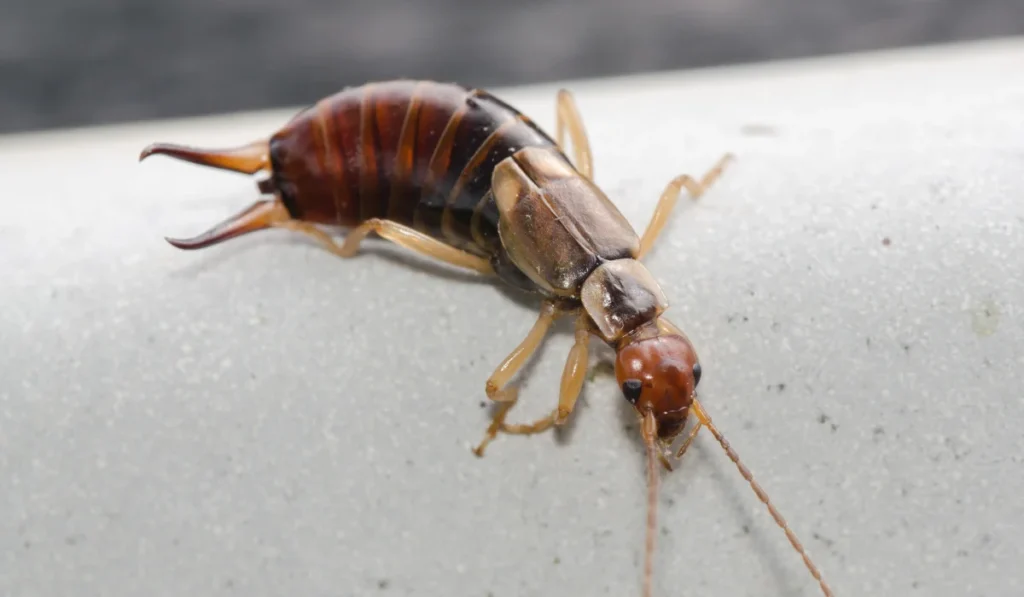
If you’ve seen earwigs crawling across your basement floor, you’re not alone. Many homeowners in Springfield, MO deal with earwigs during warm and rainy months.
Earwigs have long bodies and small pincers on the back. Those pincers can look scary, but earwigs are not dangerous. They are mostly a nuisance. Still, no one wants these creepy crawly bugs in the basement.
If earwigs are showing up in large numbers, there is usually a reason. Most of the time, it comes down to moisture, shelter, and easy entry points.
Key Takeaways
- Earwigs are attracted to moisture, shelter, and food sources.
- Damp areas in basements and crawl spaces increase activity.
- Cracks and gaps around the home’s foundation allow entry.
- Sealing entry points and reducing moisture helps prevent earwigs.
- Professional pest control can help manage large numbers and prevent repeat problems.
Why Earwigs Show Up in Basements
Earwigs do not move indoors without a reason. If they are in your basement, the space likely has what they need.
Moisture and Damp Areas
Earwigs love damp areas. After heavy rain in Springfield, the soil around your home gets wet. Earwigs look for shelter that is still moist but protected.
Basements and crawl spaces often stay humid. Leaky faucets, poor drainage, and clogged gutters can add more moisture. If your basement feels damp, it can attract earwigs.
A dehumidifier can help reduce moisture and make the space less inviting.
Easy Entry Points
Earwigs enter through small cracks and gaps. Tiny crevices in the home’s foundation allow them inside.
Worn weatherstripping, gaps under doors, and loose window seals also create entry points. Once earwigs find a way in, they settle into dark hiding places.
Sealing cracks with caulk helps block these openings.
Food Sources Indoors
Earwigs feed on plant material, organic material, and other insects. They may eat crickets, cockroaches, or other small bugs.
Cardboard boxes and stored paper goods can also attract earwigs. If you bring potted plants, houseplants, or flowerpots indoors, you may bring earwigs with them.
When food sources are available, earwig populations can grow.
Seasonal Movement
The most common species of earwigs in Missouri is the European earwig. These garden pests live outside most of the year.
When rain floods their nests or temperatures change, earwigs move indoors. Basements provide steady shelter from heat and cold.
Basement Spots That Attract and Shelter Earwigs
Some basement areas make it easier for earwigs to survive.
Along the Home’s Foundation
Earwigs often gather along foundation walls. Moisture can seep through concrete and create damp areas.
Mulch or plant material piled against the home’s foundation increases pressure indoors.
Utility Areas
Water heaters, pipes, and sump pumps create humid spots. Leaky faucets make it worse.
These damp areas give earwigs both water and shelter.
Storage and Clutter
Earwigs hide in dark, tight spaces. Cardboard boxes and clutter create perfect hiding places.
Decluttering reduces hiding places and makes it easier to spot early signs of an earwig infestation.
Crawl Spaces
Crawl spaces often hold moisture. If crawl spaces stay damp, earwigs can move upward into basements.
Keeping crawl spaces dry helps lower activity.
How to Keep Earwigs Out for Good
To get rid of earwigs, you must remove the conditions they need.
Lower Basement Moisture
Use a dehumidifier to dry damp areas. Fix leaking faucets and plumbing issues.
Clean gutters so water moves away from the home’s foundation. Dry conditions make basements less attractive to earwigs.
Seal Cracks and Gaps
Use caulk to seal cracks and crevices. Replace worn weatherstripping around doors and windows.
Blocking entry points helps prevent another earwig infestation.
Clean Up Outdoors
Keep mulch a few inches away from the foundation. Remove extra plant material and organic material near the house.
This reduces the number of earwigs gathering outside.
Simple DIY Steps
Vacuuming earwigs is a quick way to remove visible bugs. Some people use soapy water to kill earwigs found in sinks.
Diatomaceous earth can be placed in dry areas as a barrier. It works best when it stays dry.
DIY steps may help with small numbers. Large numbers often need professional earwig control.
Consider Professional Pest Control
If earwigs keep coming back, it may be time for pest control.
Holper’s Pest & Animal Solutions provides recurring general pest control services in Springfield. Our service covers earwigs along with other crawling pests.
Moisture problems that attract earwigs can also attract termites. During service, we can check for signs of termite activity and other pest concerns.
Schedule a Springfield Basement Earwig Inspection
If earwigs keep showing up in your basement, it’s time for a closer look. A professional inspection can find moisture problems, entry points, and hiding places.
Holper’s Pest & Animal Solutions provides earwig control and ongoing pest control services in Springfield, Missouri. Contact us today to schedule your basement inspection and take the next step toward a pest-free home.
FAQs
Why are earwigs in my basement?
Earwigs are drawn to damp areas and shelter. Basements with moisture problems or easy entry points attract them.
Are earwigs dangerous?
Earwigs have pincers, also called forceps, but they rarely hurt people. They are mostly a nuisance.
Can I get rid of earwigs myself?
Vacuuming, sealing cracks, and reducing moisture can help. Large numbers may require professional pest control.
When should I call an exterminator?
If you see repeated earwig infestations or large numbers indoors, a professional exterminator can inspect and treat the cause.
