 Skip to content
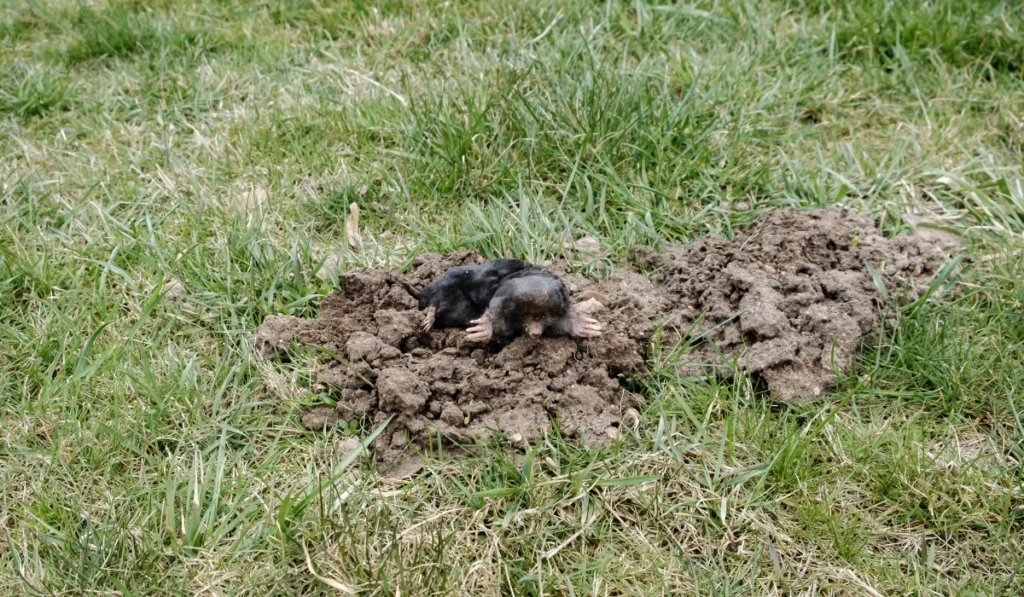
If your lawn suddenly has raised ridges, soft soil, or odd mounds appearing overnight, moles may be the cause. Across Missouri, homeowners, tenants, and property managers frequently notice this kind of lawn disruption during spring and fall when soil conditions allow easier burrowing.
The eastern mole, the most common species in the region, spends nearly its entire life underground. These small mammals build extensive tunnel systems while hunting for food beneath the soil surface. Their digging leaves visible damage such as molehills, surface ridges, and collapsed soil along travel paths.
Many people try quick fixes when they first notice mole damage, but most DIY approaches fall short. Products or tricks that promise instant results rarely address how these animals move through underground tunnels or what attracts them to a yard in the first place.
A reliable plan for effective mole control focuses on identifying active tunnels, targeting them, and using methods that address the animals directly. When done correctly, homeowners can reduce ongoing damage and prevent mole populations from expanding across the property.
Key Takeaways
- Moles are insectivores that feed mainly on earthworms, grubs, and other soil invertebrates.
- Raised ridges, surface tunnels, and cone-shaped molehills are the most common signs of mole activity.
- Many home remedies, ultrasonic devices, and scent-based repellents fail to control moles long-term.
- Targeted mole traps and monitoring of active tunnels remain the most reliable control methods.
Is It Really Moles? Quick Yard Check
Before starting any plan to get rid of moles, it helps to confirm what animal is actually causing the damage. Several animals dig in lawns, and confusion with gophers, voles, or even shrews happens often.
Raised ridges from surface tunnels
One of the most obvious signs of mole activity is raised ridges that run across the lawn. These surface tunnels form when moles travel just below the soil surface while searching for food.
The tunnels may follow curved paths through the yard or run straight across open grass areas. These feeding tunnels collapse easily when stepped on and often reappear within a day or two if the mole is still active.
This kind of burrowing usually means the animal is following concentrations of earthworms, grubs, and other small invertebrates in the soil.
Cone-shaped molehills and mole mounds
Another strong indicator is the appearance of small soil piles known as molehills or mole mounds. These occur when a mole pushes loose soil upward while digging deeper into its tunnel system.
Unlike gophers, which create fan-shaped soil piles, mole mounds tend to appear round and symmetrical. The hole leading into the tunnel is typically hidden beneath the mound’s center.
If you see several molehills across the lawn, that usually means the mole has created a larger network of underground travel routes.
Damage without plant root chewing
Moles do not eat plant roots, which helps distinguish them from voles or gophers. Their digging may disturb roots and create uneven ground, but the real target is the insects and worms living below the turf.
Because moles are insectivores, their presence often signals that the soil contains a strong food source. Lawns rich in earthworms or grubs naturally attract them.
A Practical Mole Control Plan That Holds Up
Once mole activity is confirmed, the next step is creating a plan that actually reduces the problem. Reliable wildlife control methods focus on targeting active tunnels rather than relying on random deterrents.
Identify active tunnels
Not every ridge in the lawn is still being used. To locate active tunnels, lightly press down on sections of the raised soil and check the next day again.
If the tunnel pops back up, the mole is still traveling that path. These active areas are the best locations for setting trap devices or applying other treatments.
Targeting inactive tunnels wastes time and often leads people to believe the plan failed.
Use traps where the mole travels
Trapping remains one of the most dependable ways for mole removal and reducing mole populations around a property. Different mole traps exist, including scissor traps and the classic harpoon trap that uses a metal spike.
When setting a trap, positioning is critical. Many designs include a trigger pan that activates when the mole pushes against it as it travels through the tunnel.
Products such as Tomcat traps or similar devices work when placed directly in active runs. If installed properly, the trap intercepts the mole as it moves through its regular route.
Consider targeted baits when appropriate
Some homeowners also use mole bait products designed to mimic earthworms. Options like Talpirid contain an active ingredient such as bromethalin, which affects the mole after ingestion.
These baits are placed directly inside active tunnels where the mole is likely to encounter them during feeding.
While bait can help control moles, placement accuracy still matters. Incorrect placement in inactive tunnels rarely produces results.
Limit food sources when possible
Moles appear where food is plentiful. Reducing insect populations with grub control programs or targeted insecticide applications may make the yard less attractive over time.
However, removing every grub or earthworm is unrealistic and not necessary. The goal is simply to reduce conditions that encourage repeated burrowing activity.
What “Working” Looks Like and When
Effective mole management does not happen instantly. Knowing what progress looks like helps homeowners avoid abandoning a plan too early.
Reduced new surface tunnels
The first improvement most people notice is fewer new surface tunnels appearing across the lawn. Existing ridges may remain visible for a while, but the absence of fresh ones signals that activity is slowing.
This often occurs within several days after a trap successfully intercepts the animal.
Fewer molehills forming
A second indicator is the reduction of new molehills or mole mounds. When tunneling activity stops, the soil piles that previously appeared every morning should gradually disappear.
Landscaped beds and turf areas will begin settling back into place.
Stabilized yard conditions
Once the responsible animal is removed, the lawn typically stabilizes. Damage will not reverse immediately, but the ground stops shifting and collapsing as tunnel systems are abandoned.
Because neighboring yards can also host moles, year-round monitoring helps catch new activity early.
Mistakes That Make Mole Problems Bounce Back
Many mole issues continue simply because common solutions target the wrong problem.
Relying on scent repellents
Many products claim to repel moles using strong odors. Castor oil-based products, including those made from castor bean extracts, are among the most common repellents and mole repellents sold in garden centers.
While these products may contain castor oil as the main ingredient, the results are often temporary. Moles may simply shift their tunnels to untreated areas.
Using ineffective home remedies
Online advice often suggests unusual home remedies like placing human hair, mothballs, chewing gum, or even razor blades inside tunnels.
These methods rarely influence underground behavior and can introduce hazards into the soil.
Confusing moles with other animals
Misidentification leads to failed treatments. Gophers chew roots and create different soil mounds, while voles chew vegetation and leave small surface runways.
Targeting the wrong pest delays effective action.
Depending on the ultrasonic devices
Battery-powered ultrasonic devices promise to drive moles away by vibrating the soil. In reality, moles quickly adapt or move a short distance away, leaving the underlying problem unresolved.
Get a Pro Mole Inspection and a Holding Plan
When mole problems continue across a property, a professional inspection can make a major difference. A trained technician can identify active tunnel routes, confirm the species involved, and recommend a plan to control moles before the damage spreads further.
At Holper’s Pest & Animal Solutions, technicians focus on practical, technician-led service rather than high-pressure sales. Inspections help determine the best approach for reducing mole populations around homes, commercial properties, and managed landscapes.
If your yard in Missouri is showing signs of mole damage, contact Holper’s Pest & Animal Solutions to schedule an inspection. Our team can develop a practical plan to eliminate moles and keep your property protected going forward.
FAQs
How do I know if I have moles or gophers?
Moles create raised surface tunnels and round molehills while searching for insects. Gophers create fan-shaped soil piles and often chew plant roots. Correct identification helps ensure the right treatment plan is used.
Do repellents actually get rid of moles?
Most repellents offer only temporary results. Castor oil-based products may shift activity briefly, but they rarely eliminate the animal responsible for the tunnel system.
What attracts moles to my yard?
Moles are drawn to soil rich in earthworms, grubs, and other invertebrates. Moist soil conditions and healthy turf often support these food sources.
Are mole traps effective?
Yes. Properly placed mole traps remain one of the most reliable ways to control moles because they intercept the animal directly in active tunnels.
