 Skip to content
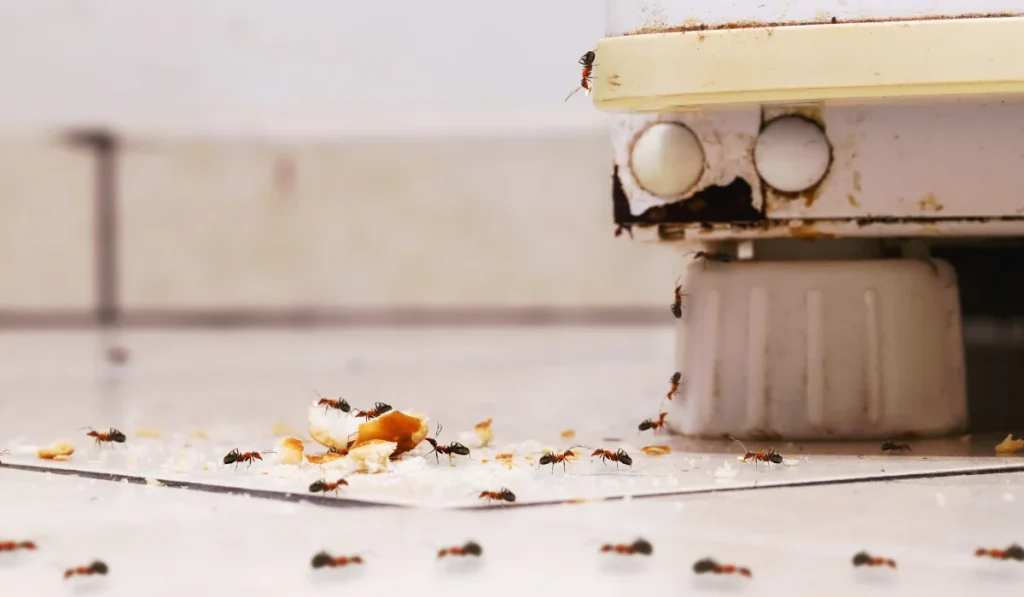
If you’ve ever spotted a line of tiny ants moving across your countertops or along the baseboards in your kitchen, you may be dealing with grease ants. These small ants often appear suddenly, especially around sinks, pantries, and food preparation areas.
For many homeowners and tenants in Springfield, Missouri, the first sign of grease ants is a trail of small insects gathering around crumbs, cooking residue, or food left out overnight. Restaurants and other commercial kitchens can also experience the same problem if food storage and cleaning routines leave behind attractants.
Understanding grease ants is the first step toward stopping them. These ants are persistent because they are excellent at finding food sources inside buildings. Once they locate a reliable food supply, their ant colonies can grow quickly and lead to recurring infestations in kitchens and food storage areas.
The good news is that with the right identification, prevention habits, and professional pest control, you can keep grease ants from turning your kitchen into their next feeding ground.
Key Takeaways
- Grease ants are tiny ants commonly found in kitchens searching for greasy foods, dairy products, and other food scraps.
- They often travel along ant trails across countertops, baseboards, and inside cabinets.
- Grease ant infestations usually begin when ants discover a consistent food source inside a home or commercial kitchen.
- Prevention includes sealing entry points, storing food in airtight containers, and maintaining a clean kitchen environment.
What “Grease Ants” Are in Kitchens
Thief Ants
In most kitchens, grease ants are actually thief ants, scientifically known as Solenopsis molesta. These ants are extremely small and can appear light brown to dark brown. Their small size makes them difficult to notice until a full ant infestation begins.
Thief ants get their name because they often steal food and larvae from nearby ant colonies. Their diet commonly includes greasy foods, oils, meats, and even dairy products, which is why kitchens provide ideal feeding areas.
Because of their size, thief ants can build an ant nest in hidden areas such as wall voids, behind cabinets, or under appliances. These concealed nesting areas allow the worker ants to enter kitchens unnoticed while searching for food, making ant control a necessity.
Why They’re Called Grease Ants
The nickname “grease ants” comes from their strong preference for fatty or oily foods. While some types of ants seek sugary items, grease ants often target meat, cooking oil, or crumbs left on countertops.
In some cases, they will also feed on dead insects found inside homes. Kitchens, trash areas, and pantries provide ideal environments where these ants can easily locate food.
Their ability to squeeze into crevices, gaps around cabinets, and tiny openings near baseboards makes them particularly difficult to notice early.
How to Tell Grease Ants From Other Ants
Differences Between Grease Ants and Pharaoh Ants
Many people confuse grease ants with pharaoh ants, another small indoor ant species. Both are small and light-colored, but pharaoh ants are usually slightly larger and appear more yellowish.
Pharaoh ants also have a different body structure, including a segmented club at the end of their antennae. Grease ants tend to have a smoother body shape, a small thorax, and a darker appearance.
Correctly identifying the ant species matters because treatment strategies may vary depending on the type of ants present.
Differences Between Grease Ants and Sugar Ants
Another common mix-up involves sugar ants. Unlike grease ants, sugar ants prefer sweet foods such as syrups, fruit juices, or candy.
Grease ants typically ignore sugary foods and instead target fats and proteins. You may notice them clustering around meat scraps, cooking oil residue, or even peanut butter left on a plate.
Watching what the ants are feeding on can often help determine which of the types of ants you are dealing with.
How Grease Ants Get Into Kitchens
Small Entry Points Around the Structure
Grease ants are experts at slipping through extremely small entry points. Tiny gaps around doors, windows, and plumbing lines can allow small ants to enter unnoticed.
Once inside, worker ants establish ant trails between the nest and a nearby food source. Over time, these trails become well-traveled routes between hidden nests and kitchen areas.
In Springfield homes, these openings are often found where exterior walls meet foundations or around utility lines entering the structure.
Nesting in Hidden Indoor Spaces
In many grease ant infestations, the actual nest is not inside the kitchen itself. Instead, the ants’ nest may be located in wall voids, behind cabinets, or inside damaged areas such as rotting wood.
From there, the ants travel through hidden pathways until they reach a food source on countertops or in cabinets.
Because nests are often concealed, many DIY treatments only affect visible ants rather than the entire colony.
Food Sources That Attract Grease Ants
Kitchens naturally provide multiple food sources that attract ants. Even small amounts of grease residue can support an entire colony.
Common attractants include cooking oils, leftover meat, crumbs, pet food, and items stored loosely in pantries.
Leaving food uncovered or storing items in non-airtight containers increases the likelihood that grease ants will return repeatedly.
How to Prevent Grease Ants in Kitchens
Remove Food Sources
The most effective way to prevent grease ant infestations is to remove their food supply.
Wipe down countertops daily to remove grease or crumbs, clean around appliances, and empty trash regularly. Pay close attention to areas behind stoves or refrigerators where food debris can accumulate.
Proper storage of food in sealed containers also limits access to attractants.
Seal Entry Points
Another important prevention step is sealing the small gaps that ants use to enter homes.
Inspect the kitchen and surrounding areas for cracks around baseboards, cabinets, and plumbing lines. Sealing these crevices can stop new ants from entering.
Regular maintenance around windows, doors, and utility lines helps reduce the chances of ants entering the structure.
Use Ant Baits Instead of Sprays
Many DIY attempts rely on sprays or insecticides, but these often kill only visible ants. This can cause colonies to split and spread, worsening the problem.
Professionally placed ant baits work differently by allowing worker ants to carry the bait back to the colony. This method helps eliminate hidden nests and reduces long-term activity.
For recurring issues, a targeted ant control approach provides the most reliable results.
Schedule a Kitchen Ant Inspection and Prevention Plan
Recurring grease ants in kitchens can be frustrating for both homeowners and commercial property managers. Because these ants often nest in hidden areas like wall voids or structural gaps, a professional inspection is often the best way to locate the source.
At Holper’s Pest & Animal Solutions, our trained technicians focus on identifying the exact ant species, locating nesting areas, and recommending practical prevention steps for long-term control. This technician-first approach avoids sales pressure and focuses on solving the problem correctly.
If you’re dealing with grease ants in your kitchen or noticing early signs of an ant infestation, scheduling a professional inspection can help prevent the issue from spreading to other areas of your home or business.
Contact Holper’s Pest & Animal Solutions to schedule a kitchen ant inspection and prevention plan designed for Springfield properties. Our team can identify the source of grease ants, recommend effective solutions, and help you keep your kitchen ant-free.
FAQs
What are grease ants in kitchens?
Grease ants are very small ants that prefer fatty foods such as oils, meats, and dairy products. These ants often appear in kitchens where they can find food scraps on countertops, inside cabinets, or in pantries.
Why do grease ants keep coming back?
Grease ants return when they find a consistent food source. Even small crumbs or grease residue can attract them repeatedly. If the nest remains hidden in wall voids or nearby structures, the ants will continue to send worker ants into the kitchen.
Can diy treatments get rid of grease ants?
Some DIY methods may temporarily reduce the number of visible ants, but they often fail to eliminate the entire colony. Because grease ants nest in hidden spaces, professional residential pest control and targeted ant baits are usually needed to fully resolve the infestation.
