
You walk into the backyard and notice a mound of fresh dirt piled against the edge of the deck. A few feet away, there’s a hole large enough to fit a small animal, and the grass around it looks worn from regular activity.
Later that evening, you spot a stocky brown animal disappearing beneath the structure before you can get a closer look. A groundhog under shed areas or decks is often a sign that the animal has started using the space as a burrow rather than simply passing through the yard.
In this guide, you’ll learn how to identify signs of groundhog activity, why these animals choose areas around homes for shelter, and what Oakville homeowners should know when dealing with a groundhog living under a structure.
Key Takeaways
- A groundhog under your shed can undermine the structure’s foundation over time, so early awareness matters.
- Knowing what signs to look for around your property helps you confirm activity before deciding on the next steps.
- Prevention measures, such as barriers around vulnerable areas, may discourage groundhogs from settling in.
- A professional assessment can help determine the right approach for your situation and your property’s layout.
How to Identify Groundhogs
If you suspect something is living beneath your shed or deck, the first step is knowing what to look for. Groundhogs leave distinct signs around burrow entrances, and understanding where they nest can help you confirm whether one has moved in under your outdoor structure.
What Groundhogs Look Like
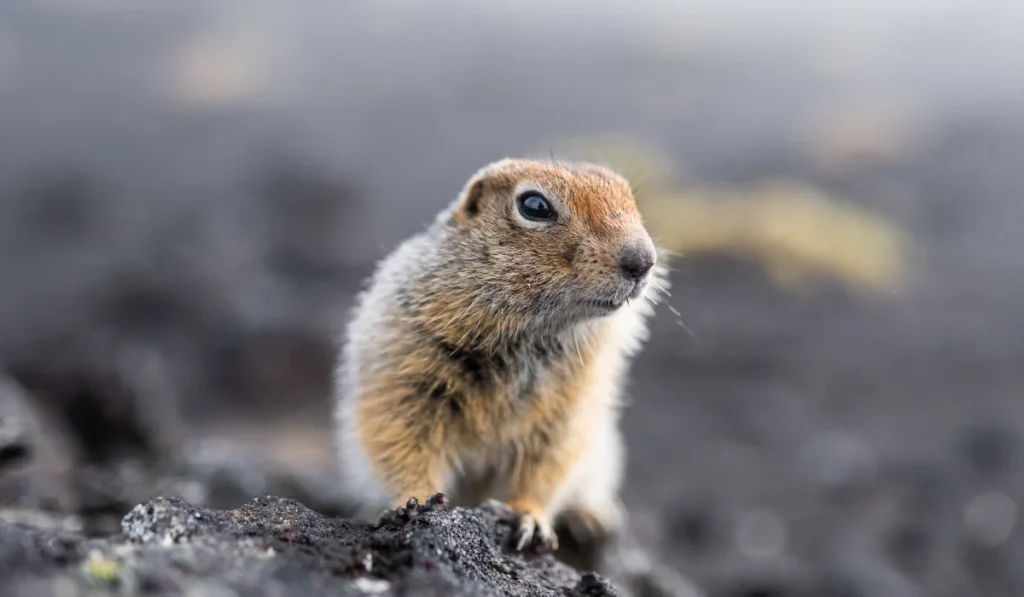
According to the Missouri Department of Conservation, groundhogs, also known as woodchucks, are common rodents found throughout Missouri. They have a sturdy build, a broad head, small ears, and a thick tail that is shorter and less fluffy than a squirrel’s. Their fur often appears brown with a mix of gray, tan, or reddish coloring, which helps them blend into natural surroundings.
Adult groundhogs vary in size, but most measure 16–27 inches in length. Homeowners may also hear a sharp warning whistle if a groundhog is startled near its burrow.
How to Spot Groundhog Activity Under Sheds and Decks
Groundhogs are outdoor burrowing animals, so the most obvious signs usually appear around the structure rather than inside it. If a groundhog has settled beneath a shed or deck, look for a large burrow entrance near the foundation, fresh piles of excavated soil, and worn paths leading to and from the opening.
Groundhog burrows are often larger than those created by smaller animals. The entrance is typically easy to spot at ground level and may be accompanied by a mound of loose dirt. Repeated activity around the same opening is often a strong indication that the burrow is actively being used.
Look for signs of feeding nearby as well. Groundhogs commonly forage in lawns, gardens, and landscaped areas before returning to the shelter of their burrow.
Where Groundhog Activity Shows Up Around Homes
Groundhog activity is most commonly found around sheds, decks, porches, retaining walls, and other structures that provide overhead protection. These locations help shield burrow entrances from weather while giving the animal a secure place to retreat.
Homeowners may also notice activity near gardens, flower beds, and areas with dense vegetation. Chewed plants, flattened grass trails, disturbed soil, and visible burrow entrances are often among the first signs that a groundhog is living nearby.
Exterior Entry Points Groundhogs Use
The most obvious sign of a groundhog under a shed or deck is the burrow entrance itself. Groundhogs commonly dig along the edge of a structure where the soil remains protected and relatively undisturbed.
Inspect the perimeter of your shed, deck, or porch for large openings near corners, foundation edges, or sloped areas. Groundhog burrows may have more than one entrance, and secondary openings can sometimes be located several feet away from the main tunnel.
Because much of the tunnel system remains underground, the visible opening is often only a small part of the overall burrow.
Why Groundhog Problems Develop Around Oakville Homes
A groundhog under your shed or deck is looking for the same things most burrowing animals need: reliable shelter and easy access to food. Sheds, decks, and similar structures offer a ready-made roof over a ground-level opening, making them appealing nesting spots. Properties that provide both shelter and nearby food sources are more likely to attract groundhog activity.
Why Groundhogs Choose Sheds, Decks, and Porches
Groundhogs frequently establish burrows in areas that provide protection and good visibility of surrounding feeding areas. Structures such as sheds, decks, and porches can offer the overhead cover that helps conceal burrow entrances while still providing quick access to nearby vegetation.
The space beneath these structures also allows a groundhog to move in and out of the burrow while remaining partially concealed. Once established, the burrow may be expanded over time as the animal continues using the site for shelter.
Outdoor Nesting Areas for Groundhogs
Groundhogs rely on underground burrows for shelter, raising young, and avoiding predators. The space beneath a shed provides a protected cavity that serves a purpose similar to a natural burrow. Old rodent burrows in the soil near structures can also create starter tunnels that make the area even more inviting.
Food and Shelter That Attract Groundhogs
Groundhogs are attracted to properties that provide both shelter and access to food. Penn State Extension notes that woodchucks feed on a wide variety of vegetation, including grasses, clover, garden crops, and ornamental plants. Properties with gardens, landscaping, and nearby cover often provide both the food and shelter that make an area attractive to a groundhog.
When food and shelter are available in the same area, a property may become more attractive to a groundhog looking for a long-term location to establish a burrow.
How Groundhogs Move Around Homes
Groundhogs tend to stay close to their burrow entrance, venturing out to feed and returning to shelter quickly. Activity often centers on areas where ground-level gaps under sheds or porches connect to open yard space. When an animal finds a secure spot beneath a structure, it may continue to expand the burrow over time.
Look for holes in the ground near foundation edges, shed walls, or along fence lines. These openings can be a clear sign of burrowing activity. Worn paths through grass leading to and from the hole suggest regular use.
Risks From Groundhog Activity
A groundhog burrowing under your shed or deck creates more than a nuisance. The sheltered space beneath a shed provides a protected area where burrowing activity can continue undisturbed. Understanding the risks helps you decide how quickly to address the situation.
Health Risks Linked to Groundhogs
Groundhogs generally avoid direct interaction with people, but any wild animal should be approached with caution. Attempting to handle, corner, or remove a groundhog without proper training can create unnecessary risk for both the homeowner and the animal.
The primary concern for most homeowners is not direct contact but the presence of an active burrow near structures, walkways, or frequently used areas of the property. Understanding the scope of the burrow helps determine the appropriate next steps.
Property Damage From Groundhogs
The most significant concern associated with a groundhog under a shed or deck is the burrow itself. As tunnels expand beneath a structure, the surrounding soil can become less stable than the undisturbed ground around it.
Over time, extensive burrowing activity may contribute to settling, shifting, or other structural concerns around sheds, decks, and similar outdoor features. The severity depends on the size of the burrow system, the location of the tunnels, and the type of structure involved.
When to Look Closer at Groundhog Activity
Freshly excavated soil, active burrow entrances, flattened travel paths, and visible groundhog activity are all signs that the situation deserves closer attention. These indicators suggest that the burrow is being used rather than abandoned.
If you notice new digging around the structure, expanding tunnel openings, or changes in the soil near the foundation, it may be time to assess the extent of the burrow before additional activity occurs.
Professional Wildlife Control for Groundhogs
A groundhog under your shed or deck can be difficult to address without first determining whether the burrow is actively being used. Before taking action, it is important to identify all entrances, assess the location of the tunnel system, and evaluate how the burrow may be affecting the surrounding structure.
A professional assessment can help determine the extent of the activity and identify practical next steps based on the layout of the property. Because every burrow system is different, the appropriate approach depends on factors such as the structure involved, the location of the entrances, and whether the burrow is currently occupied.
For Oakville homeowners, getting an accurate assessment before attempting exclusion or other corrective measures can help avoid creating additional problems around the structure.
Groundhog Under Shed: Bottom Line
A groundhog settling beneath your shed can be a frustrating situation for any homeowner. Identifying the signs early, understanding the risks to your property, and taking practical prevention steps all help you stay ahead of the problem. Because groundhogs are classified as wildlife, addressing them properly often requires professional know-how rather than a DIY approach. If you suspect a groundhog has moved in under your shed, contact Holper’s Pest & Animal Solutions to request an assessment and discuss your options.
Frequently Asked Questions
How Can I Tell if a Groundhog Is Living Under My Shed?
Look for freshly dug burrow openings near the foundation of the shed, along with mounds of displaced soil. You may also notice chewed vegetation in the surrounding area or worn paths leading to and from the openings.
What Kind of Property Concerns Can a Burrowing Animal Cause?
Extensive tunneling beneath a shed or other structure may compromise the stability of the foundation over time. Burrows can also redirect water flow, potentially contributing to erosion around the base of the structure.
Are There Steps I Can Take to Discourage Burrowing?
Reducing available food sources and limiting access beneath structures can make a property less attractive to groundhogs. The most effective approach depends on the layout of the structure and whether the burrow is active.
Why Should I Work with a Professional Instead of Handling It Myself?
Groundhogs are wildlife, and handling them may involve local regulations regarding trapping and relocation. A professional can evaluate the situation, identify active burrow systems, and recommend an appropriate course of action that respects both your property and applicable guidelines.