
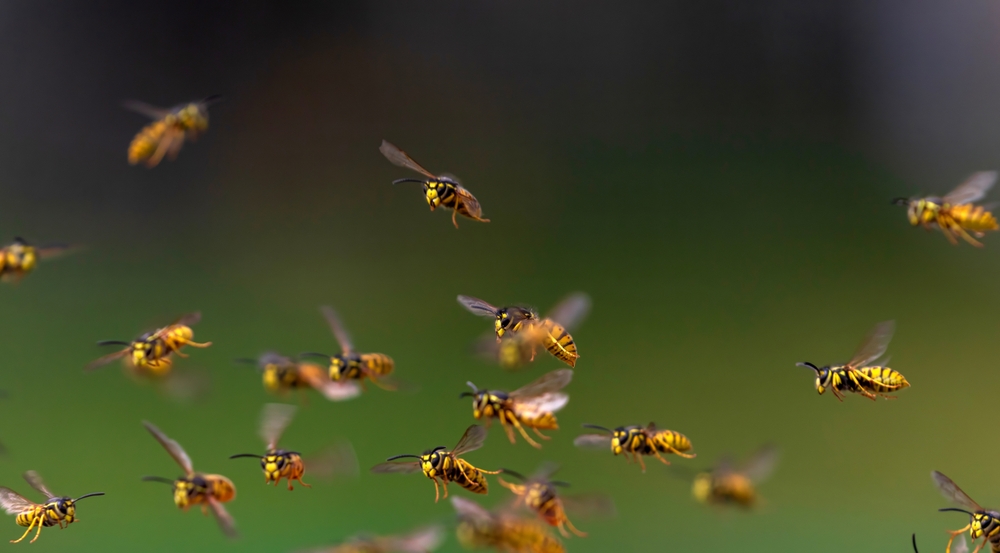
Knowing what attracts wasps can help you catch costly problems early. Learn the signs, risks, and when to call Holper’s Pest & Animal Solutions.
Key Takeaways About Wasp Attractants
- Wasps are drawn to your property by food sources, including other insects and sweet materials, so understanding these attractants is the first step toward reducing wasp activity around your home.
- While wasps can pose a stinging risk when nests are near living spaces, they also play a role in managing other insect populations, making proper identification important before taking action.
- Nests can appear in different areas depending on the type of wasp, and Holper’s Pest & Animal Solutions typically completes an inspection and treatment during the same appointment.
- Ongoing wasp activity without a visible nest may call for a recurring treatment program rather than a one-time approach.
How to Identify Common Wasp Attractants
Understanding what draws wasps to your property starts with recognizing the role these insects play outdoors. According to Kansas State University Extension, most wasps attack, feed on, or parasitize other insects, including many damaging flies and caterpillars. That feeding behavior is a major reason wasps show up around homes where prey insects are already present.
How to Tell Different Wasp Types Apart
Different wasp species pursue different food sources. Some focus on hunting caterpillars and flies, while others may be drawn to areas where other insects gather. Knowing which species you are seeing helps you understand what is pulling them toward your property in the first place.
Wasps are largely beneficial insects, so not every sighting signals a problem. However, when multiple wasps repeatedly visit the same spot on your home, that pattern usually points to a nearby food source or a sheltered area they favor.
How to Spot Wasp Activity Inside Your Home
Wasps that appear indoors are typically following prey insects that have already found a way inside. A recurring indoor wasp sighting may indicate a separate pest issue drawing them in.
Watch for wasps near windows and light fixtures. These are common places where prey insects congregate, which in turn can attract foraging wasps looking for their next meal.
Where Wasp Activity Shows Up Around St. Charles Homes
Around the exterior of a home, wasps tend to appear wherever prey insects are active. Gardens, landscaping beds, and areas near exterior lighting can concentrate the flies and caterpillars that wasps hunt.
Paper wasp nests are typically found in soffits and eaves, while yellow jackets tend to nest in the ground or around foliage near the home. Hornets usually build their nests in higher locations. Each of these spots offers shelter along with access to prey.
Exterior Entry Points Wasps Use
Gaps in soffits, uncapped gutters, and openings under eaves give wasps a path from outdoor feeding areas into protected spaces on your home. These sheltered points are appealing because they sit close to the insect populations wasps rely on for food.
Check these areas for early activity to stay aware of what is attracting wasps before a small cluster grows into a larger concern around your home.
Why Wasp Problems Develop Around St. Charles Homes
Wasp problems around your home usually trace back to reliable food sources and convenient nesting spots. Understanding what draws wasps in can help you recognize the conditions that lead to ongoing activity near your living spaces.
Outdoor Nesting Areas That Attract Wasps
Wasps typically build nests in protected areas on or near structures. According to Mississippi State University Extension, paper wasp nests last only one season regardless of species, but old nests left in place can still cause issues.
Old wasp nests, along with abandoned bird and rodent nests and spider webs, can harbor infestations. Removing these from around your home reduces the chance that wasps will settle into those same areas the following year.
Food and Shelter That Attract Wasps
Wasps rely on multiple food sources. Female workers hunt caterpillars and other insects, carrying prey back to the nest to feed larvae. Yellowjackets also scavenge on human food and garbage. These overlapping food sources mean wasps can find something to eat in most yards.
Wasps are also attracted to sweet liquids in watermelon, open or decaying fruit, and carbonated beverages. Honeydew produced by plant-feeding insects can serve as another draw, bringing wasps and ants to the same areas.
How Wasps Move Around Homes
Worker wasps range outward from their nests throughout the day to hunt and forage. When food sources like garbage, fruit, or insect prey are close to your home, wasps tend to concentrate their activity around those areas. Nests built near where people spend time are the ones most likely to cause stings.
Trails and Entry Points Wasps Use
Wasps frequently access structures through gaps in soffits, gutters, and under eaves. Keeping these areas clear of old nests and debris helps reduce the conditions that draw wasps back season after season.
Risks From Wasp Infestations Around St. Charles Homes
Health Risks Linked to Wasps
When food sources, sheltered nesting spots, or other pests draw wasps close to your home, the chance of a sting rises. Wasps are social pests that live in organized colonies, and they can become defensive when activity near a nest increases. According to the University of Georgia pest guide, bumble bees nest in the ground and may sting when their nest is threatened, and wasps behave similarly when they feel their colony is at risk.
The closer a nest sits to walkways, doorways, or play areas, the more likely someone in your household will encounter an agitated worker.
Property Damage From Wasps
Wasps themselves rarely cause major structural harm, but the conditions that attract them can invite other pests that do. Nests tucked into soffits, eaves, or gutters may also interfere with routine home maintenance and make exterior work uncomfortable.
Food Areas and Wasp Activity
Outdoor dining areas, gardens with developing fruits, and landscapes with other insect activity can all pull wasps closer to your living spaces. According to UC IPM, fire ants feed on almost any plant or animal material, including other insects, young trees, seedlings, plant buds, developing fruits, and seeds. Wasps pursue overlapping resources, so a yard that supports one type of pest often supports several.
When to Look Closer at Wasp Activity
If you notice wasps returning to the same area of your home repeatedly, something nearby is drawing them in. Spotting regular flight paths toward soffits, eaves, or ground-level foliage is a sign that a nest may already be established. Addressing the situation early reduces the risk of stings as foot traffic near the nest increases.
Professional Pest Control for Wasps in St. Charles, MO
Understanding what attracts wasps to your property is the first step toward keeping them from building nests near your home. When a wasp problem persists or a nest is already established, a professional approach that starts with inspection can help address the situation at its source.
How to Reduce Wasp Attractants
Reducing everyday attractants is one of the simplest ways to lower the chance of nests forming. Keep outdoor dining areas clean, cover trash bins with tight-fitting lids, and avoid leaving open beverages outside during warmer months.
Structural features also play a role. Check soffits, eaves, and gutters each season and clear away early nest activity before it grows to help discourage wasps from settling in.
Why Wasp Control Starts With Inspection
Wasp nests vary in location and size depending on the type of stinging insect involved. Because nesting preferences differ across species, Holper’s Pest & Animal Solutions requires an inspection before determining the cost and approach for treatment.
The inspection and treatment can usually be completed during the same appointment. This means a technician can assess the situation and, in most cases, move directly into the appropriate treatment without a separate visit.
What to Expect During Professional Wasp Treatment
When a nest is found, Holper’s technicians treat it using Delta Dust or Stryker 54 applied directly to the nest. Technicians wear bee suits for protection during this process. These products are selected to address the nest at its location, whether tucked into a soffit or positioned in foliage near the home.
If a nest is not found or the issue involves ongoing wasp activity without a single identifiable nest, Holper’s may recommend a monthly power-spray program. During this service, a technician applies Suspend Polyzone to the structure using a backpack power sprayer, covering soffits, gutters, under eaves, and similar protected areas.
What to Expect From a Wasp Control Plan
A retreat is sometimes needed, but typically it is not. Holper’s approach is tailored to the stinging insect involved and the location of the nest, so the plan may differ from one property to the next. For homes with recurring wasp activity, the monthly power-spray program provides ongoing coverage of common nesting areas.
Because honey bees are protected, Holper’s only treats a honey bee nest if it is located where someone could be harmed. The team recommends contacting a local beekeeper first to determine whether relocation is possible. This careful approach reflects the company’s focus on doing the right thing for each situation.
Bottom Line on What Attracts Wasps in St. Charles, MO
Wasps are drawn to food sources and sheltered spots around your home. Understanding what pulls them in helps you reduce the conditions that lead to nesting activity. When you notice wasps returning to the same areas, an inspection can pinpoint the source of the problem. Holper’s can typically complete an inspection and treatment during the same appointment, so reach out to schedule yours if wasps are a concern around your St. Charles property.
Frequently Asked Questions
Why Do Wasps Keep Coming Back to the Same Spot?
Old nests can attract new activity. Removing previous nests from soffits, eaves, and other sheltered areas helps discourage wasps from returning to familiar locations around your home.
Do All Wasp Nests Need to Be Treated?
Not necessarily. Nests located away from areas where people spend time may not require treatment. Nests close to doorways, patios, or other high-traffic spots are more of a concern and worth addressing.
Will a Retreat Be Necessary After Treatment?
Sometimes, but not typically. The need for a follow-up depends on the nest location, the type of stinging insect, and the size of the nest. Your Holper’s technician can let you know what to expect after the initial visit.
Can Holper’s Remove Honey Bee Nests?
Holper’s will treat a honey bee nest only if it poses a safety risk. Contacting a local beekeeper first to ask about relocation is the recommended first step.