 Skip to content
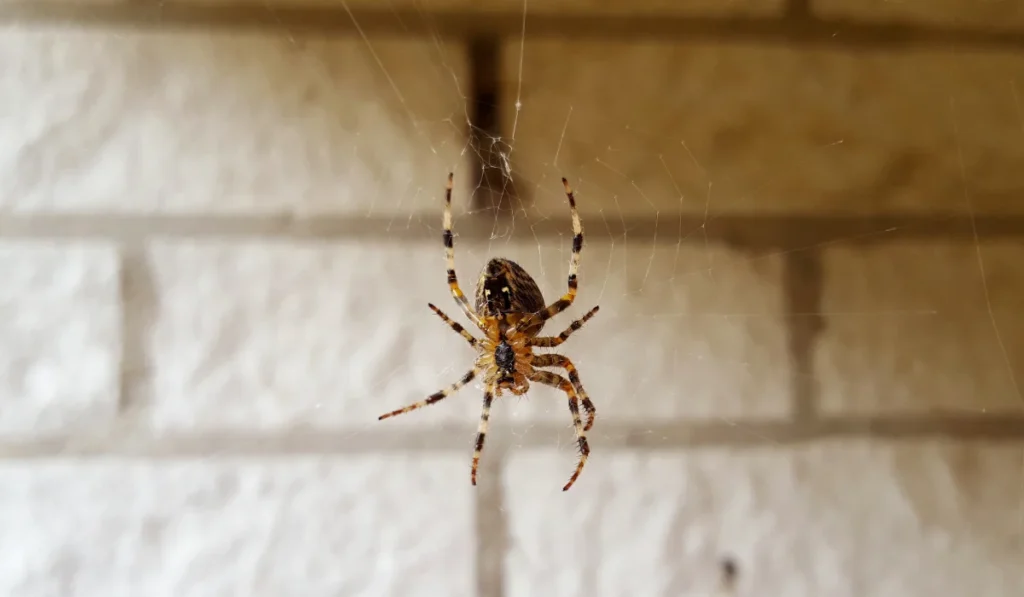
When temperatures drop in Springfield, MO, many pests begin searching for shelter. Spiders are no exception. If you notice more spider sightings around your home during the cold months, you are not alone. Winter spider activity often increases indoors as these arachnids seek warmth, shelter, and food.
For many homeowners, tenants, and property managers, spotting indoor spiders in basements, garages, or along window sills can feel unsettling. While most spiders are harmless, a few species found in Missouri homes, including the brown recluse or black widow, make it understandable why people want to reduce spider sightings during winter.
The good news is that understanding why spiders move indoors during cold weather can help you prevent the problem. With the right pest control strategies and some practical home maintenance steps, you can reduce spider activity and keep your property more spider-free throughout the colder months.
Key Takeaways
- Spiders move indoors when temperatures drop, and freezing temperatures make outdoor survival difficult.
- Common winter spider species in Missouri include cellar spiders, wolf spiders, and common house spiders.
- Spiders enter buildings through small entry points, cracks, and crevices around doors, windows, and foundations.
- Regular cleaning, sealing entry points, and professional spider control can reduce indoor spider sightings.
Why Spiders Come Inside in Winter
When colder months arrive in Springfield, many outdoor spiders shift their behavior. Winter spider activity inside homes usually increases for several biological and environmental reasons.
Cold Weather Drives Spiders Indoors
Spiders are cold-blooded arachnids, which means their body temperature depends on their surroundings. When freezing temperatures arrive, many outdoor spiders cannot remain active in exposed areas like leaf litter, tree bark, or garden beds.
To survive cold weather, they look for protected spaces that maintain more stable temperatures. Homes, garages, crawl spaces, and attics provide exactly the type of environment these spider species need during winter.
Natural Winter Dormancy and Diapause
Some spiders enter a state similar to hibernation called diapause. During this stage, spider activity slows significantly while the spider conserves energy until warmer conditions return.
Unlike true hibernation, spiders may still move around occasionally. That is why homeowners sometimes notice winter spider movement inside basements or garages even when outdoor temperatures remain low.
Certain spider species also produce compounds that act like antifreeze in their bodies. This allows them to survive colder environments, although sheltered indoor locations remain much more favorable.
Homes Provide Reliable Food Sources
Another reason spiders move indoors during the cold months is the availability of prey. Even in winter, homes often harbor insects that spiders rely on as food.
Small home pests like flies, ants, and even bed bugs can provide a steady food supply. Where insects live, spiders often follow. This is why ongoing pest control plays a significant role in reducing both insect activity and indoor spider populations.
How Spiders End Up Indoors
Spiders do not always intentionally invade homes. In many cases, they simply follow natural pathways that lead them indoors.
Small Entry Points Around the Structure
Tiny gaps around doors, windows, and foundations act as entry points for spiders. Even small crevices around siding, utility penetrations, or garage doors can allow spider species to enter.
Homes that lack proper weather stripping or have aging seals around window sills often experience increased spider activity during winter.
Spiders Hitchhike on Items
Spiders frequently enter buildings by hitching rides on items brought indoors. Firewood, storage boxes, outdoor furniture, and seasonal decorations can all carry outdoor spiders inside.
Because many Springfield homeowners store items in garages or sheds during the fall, this becomes a common pathway for winter spider sightings indoors.
Outdoor Lighting Attracts Prey
Outdoor lighting plays a surprising role in spider activity. Porch lights and garage lights attract flying insects at night.
When insects gather around lights, outdoor spiders move closer to feed. Over time, this increased activity can lead to spiders entering nearby structures through small openings.
Where Spiders Hide Indoors in Winter
Once spiders enter a building, they look for quiet areas that provide shelter and access to prey. These hiding spots are often out of sight, which allows spider populations to grow without being noticed.
Basements and Crawl Spaces
Basements and crawl spaces provide ideal conditions for many indoor spiders. These areas are usually dark, quiet, and rarely disturbed.
Cellar spiders, often called daddy longlegs, commonly build cobwebs in basement corners or along ceiling beams. The stable temperatures in these areas help them survive winter comfortably.
Attics and Wall Voids
Attics also serve as winter shelters for several spider species. Dusty areas, insulation, and stored items create plenty of hiding spots where spiders can build webs and remain undisturbed.
Wolf spiders and common house spiders may also roam through attics or wall voids in search of prey.
Garages and Storage Areas
Garages are another common location for winter spider activity. These areas often connect directly to the outdoors, making it easy for spiders to enter.
Stored boxes, tools, and shelving create perfect hiding spots. Because garages are opened frequently, spiders can move in and out without being noticed.
Window Sills and Corners
Some indoor spiders prefer areas near windows or ceiling corners where they can build cobwebs and catch flying insects.
These spots allow spiders to remain close to light sources that attract prey while staying hidden from daily household activity.
How to Reduce Indoor Spider Sightings
Reducing winter spider sightings involves limiting access points, removing hiding spots, and controlling the insects that spiders rely on.
Seal Entry Points Around the Home
The first step in spider control is sealing entry points around the exterior of your home.
Adding weather stripping around doors and windows helps block the small openings that spiders use to enter. Sealing cracks and crevices along foundations or siding also reduces the number of pathways into the structure.
Reduce Outdoor Lighting Near Doors
Since outdoor lighting attracts insects, reducing or adjusting lighting can lower spider activity near entrances.
Using motion lights or yellow bulbs instead of bright white lights helps reduce the number of insects gathering near doors and windows.
Maintain Regular Cleaning
Regular cleaning helps remove cobwebs and reduce hiding spots for spiders.
Vacuuming corners, storage areas, and window sills can eliminate webs before spiders settle in. Keeping clutter to a minimum in basements, garages, and attics also reduces the number of hiding places for spiders.
Control Indoor Moisture
Spiders often prefer humid areas. Using dehumidifiers in basements or crawl spaces can make these spaces less attractive to both spiders and their insect prey.
Lower humidity also discourages other home pests that spiders depend on as a food source.
Use Professional Pest Control
When spider sightings become frequent, professional pest control services can help identify the cause and reduce the population.
Professional pest control technicians inspect for entry points, reduce spider activity around the exterior, and address underlying insect issues that support spider populations.
This approach helps prevent spider infestations and reduce spider activity year-round.
Schedule a Spider Inspection in Springfield, MO
Winter spider sightings are common across Springfield, especially as temperatures drop and spiders seek warmer indoor spaces. While most spiders are harmless, frequent sightings inside basements, garages, or living areas often signal that spiders have easy access to your home.
Addressing the issue early can prevent a larger spider infestation and reduce encounters with species like the brown recluse, which is known to occur in Missouri homes.
At Holper’s Pest & Animal Solutions, our trained technicians focus on practical solutions instead of high-pressure sales tactics. We perform a thorough inspection to identify spider hiding spots, entry points, and the conditions that attract spider activity in the first place.
If indoor spiders are becoming a regular issue, contact us to schedule your inspection or request a free quote. Our team provides reliable spider control and ongoing pest control services designed for homes and businesses in Springfield and surrounding Missouri communities.
FAQs
Why do spiders appear more often in winter?
Spiders often appear more frequently in winter because temperatures drop and outdoor conditions become difficult for them to survive. Homes provide warmer shelter and access to insects, which makes indoor environments attractive for winter spider activity.
Are indoor spiders dangerous in Missouri homes?
Most indoor spiders in Missouri are harmless. However, two species, the brown recluse and black widow, can pose health risks if disturbed. Identifying spider species and reducing hiding spots can help minimize encounters inside the home.
What is the best way to prevent spiders indoors during winter?
The best prevention strategy includes sealing entry points, reducing clutter, maintaining regular cleaning, and controlling insects that serve as a food source. Professional pest control can also help reduce spider activity around the home year-round.
