
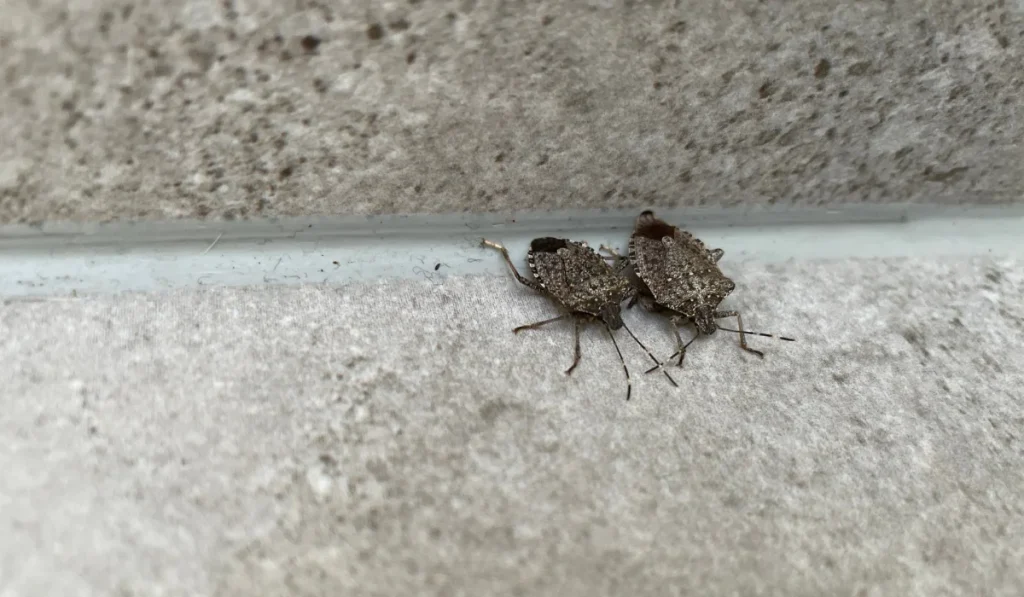
Stink bugs can seem to show up all at once. One mild fall afternoon, you may notice several resting on the sunny side of your Missouri home. Soon after, individual bugs begin appearing near windows, ceiling lights, or upstairs rooms.
Why do stink bugs come into the house every fall? They are looking for a sheltered place to spend the colder months. They are not entering because the house is dirty, and they are not moving indoors to search for food.
Missouri homes provide the kind of protected spaces stink bugs seek. Openings behind siding, around attic vents, near window trim, and along roof joints can lead into wall voids or other hidden areas.
Once inside, the insects may remain out of sight for weeks. The best time to deal with stink bugs is before cooler weather pushes them toward the structure. Understanding what attracts them, how they get inside, and which repairs matter most can make fall stink bug prevention far more effective.
Why Do Stink Bugs Come in the House During Fall?
Stink bugs spend spring and summer outdoors, feeding on fruit, vegetables, crop plants, and ornamental landscaping. As daylight shortens and overnight temperatures fall, adult bugs begin searching for protected winter shelter.
This behavior is called overwintering. In natural areas, stink bugs may settle beneath loose bark, inside hollow trees, or within sheltered crevices. Houses offer similar cover, often with more stable temperatures and less exposure to wind and rain.
The insects usually gather on the outside of a building before entering. The U.S. Environmental Protection Agency’s stink bug guide explains that this invasive pest was first documented in the United States during the late 1990s. It has since become a seasonal nuisance in many parts of the country.
Missouri’s fall weather can shift from warm afternoons to cold nights within a few days. The University of Missouri’s Climate Center confirmed frequent changes in temperature in the state due to its inland location. Those temperature changes often increase visible activity on sunlit exterior walls before stink bugs move into protected spaces.
| Fall Condition | Stink Bug Response | What Homeowners May Notice |
| Shorter days | Adults leave summer feeding areas | More bugs around homes and garages |
| Cooler nights | Bugs begin searching for shelter | Clusters on siding and window trim |
| Warm afternoon sun | Exterior walls hold heat | Activity on southern and western walls |
| Colder weather | Bugs move into gaps | Fewer bugs outside, followed by indoor sightings |
Even a newer home can experience stink bugs in the house. Small gaps around vents, siding, utilities, and trim may provide enough access.
Why Are Stink Bugs Attracted to Some Missouri Homes?
Two nearby homes can have very different stink bug activity. The difference often comes down to sun exposure, nearby food sources, and the number of usable openings around the structure.
Sun-Warmed Exterior Walls
Stink bugs often gather on walls that receive strong afternoon sunlight. Southern and western sides of a house usually remain warmer later in the day, especially during mild Missouri fall weather.
After landing, the bugs crawl along seams, corners, and changes between building materials. A loose siding edge or damaged vent screen can turn a warm resting area into an entry route.
The warmth attracts them to the surface, but access determines whether they get inside. A solid wall with tight seams is less likely to lead to an indoor problem than one with loose trim or open joints.
Nearby Gardens, Fields, and Trees
Missouri homes that sit near places where stink bugs feed during summer attract more of this type of insect. Vegetable gardens, fruit trees, soybean fields, wooded edges, and ornamental plants can all support activity.
When fall arrives, adult stink bugs move away from feeding areas and begin looking for shelter. A house located close to both vegetation and protected wooded areas may experience heavier seasonal pressure.
Removing healthy landscaping is not a practical way to keep stink bugs out. It is more useful to trim vegetation away from siding, keep vents visible, and make exterior gaps easier to inspect.
Rooflines and Building Features
Homes with dormers, multiple roof levels, chimneys, mixed siding materials, and upper-story vents give stink bugs more places to investigate. Many of these areas are difficult to see from the ground.
Repeated activity can provide a useful clue. If stink bugs gather around the same upstairs window, roof corner, or chimney transition each fall, an entry point may be close by.
| Property Feature | Why It Matters | What to Inspect |
| Afternoon sun exposure | Creates warm gathering surfaces | South- and west-facing walls |
| Dense plants near siding | Hides seams and small gaps | Foundation plants and vines |
| Mixed exterior materials | Creates more joints | Brick-to-siding and roof-to-wall areas |
| Complex rooflines | Adds protected upper-level openings | Soffits, fascia, dormers, and vents |
| Recurring activity | May reveal a favored route | The same windows, corners, and ceilings |
How Do Stink Bugs Get in the House?
Stink bugs do not need a large opening. They use narrow gaps around windows, doors, vents, siding, and utility lines.
A crack beside a window may lead behind exterior trim. A loose soffit panel may open into the attic. Worn weatherstripping can leave enough space at the lower corner of a door for a bug to crawl through.
Ground-Level Entry Points
Windows and doors are easy to overlook because homeowners use them every day. Torn screens, separated trim, failed sealant, and worn door sweeps can all provide access.
Garage doors are another common weak point. The bottom corners often develop gaps as weather seals age or the door shifts out of alignment.
Utility openings also deserve attention. Cable lines, exterior faucets, air-conditioning lines, and electrical conduits pass through exterior walls. Open space around them can lead behind siding or into wall cavities.
Roofline Entry Points
Upper-level gaps often matter when stink bugs appear in bedrooms, attics, or near ceiling fixtures. Potential entry areas include soffit joints, fascia gaps, attic vents, ridge vents, and places where roofing meets siding.
Decorative trim and exterior light fixtures may hide openings as well. A gap that cannot be seen from the yard may still provide a direct path into the outer shell of the house.
| Entry Area | What to Look For | Practical Correction |
| Windows | Torn screens, loose trim, failed sealant | Repair screens and close exterior gaps |
| Doors | Worn sweeps and open lower corners | Replace seals and adjust the fit |
| Utility lines | Space around pipes, wires, and cables | Close gaps with suitable exterior material |
| Attic vents | Missing or damaged screening | Repair screening without blocking airflow |
| Soffits and fascia | Loose panels and separated joints | Secure or replace damaged materials |
| Garage doors | Openings along the bottom and corners | Replace seals and correct alignment |
Why Stink Bugs May Show Up Later
Stink bugs often enter Missouri homes during fall, then remain hidden behind siding, inside wall voids, or in attic spaces. Some become active later when sunlight or indoor heat warms those areas.
That is why a stink bug may appear near a window weeks after the main fall movement. It may not have entered that day. It may simply be leaving a hidden shelter inside the structure.
Fall is usually when the bug gets inside. A later sighting is often when it finally reaches a room where someone notices it.
Do Stink Bugs Damage Your House?
Stink bugs are unpleasant indoor guests, but they do not normally damage the structure. They do not feed on framing lumber, insulation, drywall, clothing, or stored food. They also do not usually establish an indoor breeding population. Adults generally lay eggs outdoors on plant leaves during the warmer months.
The odor is the main household concern. When crushed or handled roughly, a stink bug can release a strong smell that may remain on curtains, furniture, hands, or vacuum equipment.
| Concern | What Stink Bugs Can Do | What They Do Not Normally Do |
| Odor | Release a strong smell when disturbed | Build an indoor nest |
| Indoor presence | Hide in attics and wall voids | Reproduce throughout winter |
| Structural impact | Gather inside protected cavities | Eat wood, drywall, or insulation |
| Outdoor feeding | Damage fruit, crops, and garden plants | Feed on the house itself |
How to Keep Stink Bugs Out Before Fall
Effective stink bug prevention depends on timing. Late summer gives Missouri homeowners a chance to inspect and repair the exterior before large numbers begin gathering.
Check Doors, Windows, and Screens
Replace torn screens and repair frames that no longer fit tightly. Look closely at the lower corners of exterior doors, where worn sweeps often leave narrow gaps.
Weatherstripping should make full contact when the door closes. Basement windows, sliding doors, and seasonal window air-conditioning units need the same attention.
A closed window is not always a sealed window. Aging trim or failed exterior sealant can leave a hidden route behind the frame.
Inspect the Roofline
Look for loose soffit panels, damaged vent screens, separated fascia joints, and open transitions between roofing and siding. A ground-level inspection may reveal obvious problems, but it can miss gaps beneath trim or around upper vents.
Vent repairs should preserve airflow. Covering an opening without understanding its purpose can create moisture or ventilation problems.
Review Utilities, Lighting, and Landscaping
Inspect areas where pipes, cables, and wires enter the house. Use exterior repair materials that match both the opening and the surrounding surface.
Turn off outdoor lights that are not needed during heavy fall activity. Where practical, position lighting away from doors that open frequently.
Trim plants that touch siding or cover vents. The goal is not to remove healthy landscaping. It is to keep the exterior visible and reduce sheltered routes against the house.
What to Do When Stink Bugs Are Already Indoors
- A few visible stink bugs can usually be removed without crushing them: Place a cup over the insect, slide a stiff piece of paper underneath, and carry it outside.
- A vacuum can handle a larger group: Empty the canister or discard the bag promptly because the odor may stay in the equipment.
- Keep track of where sightings occur: Bugs that repeatedly appear near one window, attic access, or ceiling fixture may be moving from a nearby wall or roofline void.
- Indoor removal does not close the original entry point: Treat visible stink bugs as clues, especially when the same pattern returns each fall.
Keeping Stink Bugs Out of Your Missouri Home
Stink bugs enter Missouri homes in fall because the structure offers protected shelter. Warm exterior walls help them gather, while gaps around windows, doors, vents, siding, and rooflines allow them to move inside.
Good stink bug control begins with the building. Screens, door seals, vent covers, utility penetrations, and roofline gaps all deserve attention before cooler nights arrive.
Holper’s Pest & Animal Solutions uses a technician-first approach and Integrated Pest Management principles. The technician evaluates the pest, the structure, and the conditions around the property before recommending a practical response. When stink bugs return every fall or appear near hard-to-reach roof areas, contact Holper’s for a professional inspection and clear recommendations.